
How Lemon Vibrators Work for Women With Low Libido or Desire Issues
The problem nobody names clearly
Low desire feels personal. It feels like something is broken inside you. Here's the truth: desire is fragile, contextual, and deeply responsive to what's happening in your nervous system, your relationship, and your hormones all at the same time. That doesn't mean it's broken. It means it's paying attention.
When people come to me saying "I don't want sex anymore," the real conversation usually isn't about the sex itself. It's about whether the conditions for desire even exist. And the way lemon clitoral vibrators can help is unexpected.
What actually happens to desire
Desire lives in multiple places at once. Your brain processes arousal. Your nervous system has to feel safe. Your hormones have to cooperate. Your relationship has to offer something worth wanting. If any one of those systems is offline, desire gets quiet.
Most of what gets called "low libido" is actually one of these things:
Responsive vs. spontaneous desire. If you've been told you should want sex before anything happens, and your body actually needs stimulation to wake up interest, that's not low desire. That's a mismatch between how your desire works and what you've been told to expect. Many people with vulvas have responsive desire, not spontaneous. That means a lemon vibrator isn't just a pleasure tool. It's a translator between your body's actual rhythm and what you thought desire was supposed to feel like.
Disconnection from your own body. Years of rushing through sex for someone else's pleasure, health stress, grief, or just life moving too fast can create distance between you and physical sensation. Your nervous system learns to tune out. A lemon sucker works because suction creates a specific kind of sensation that's hard to ignore. It pulls your attention back into your body without requiring you to perform or escalate. That's the rewiring.
Relational depletion. If you're depleted by your relationship, resentful, or emotionally tired, your body knows it before your brain admits it. Desire dies first. A vibrator won't fix a broken relationship, but it can create a moment where you remember what pleasure feels like when it's just about you. That matters more than people realize.
Hormonal shifts. Thyroid issues, cortisol dysregulation from chronic stress, hormonal birth control, or perimenopause all suppress desire at the neurological level. This isn't willpower or attraction. This is biochemistry. A lemon vibrator can't solve the underlying condition, but it can create pathways for arousal to happen even when desire feels muted.
How a lemon vibrator specifically helps
There's something about the suction mechanism of a lemon clitoral vibrator that works differently than traditional vibration. Here's why it matters for low desire.
Suction pulls attention instead of requiring you to chase it. With conventional vibrators, you're managing sensation. You're thinking about whether this feels good, whether it's the right speed, whether it's working. That mental load is exhausting when desire is already low. A lemon vibrator's suction patterns are designed to build in waves. Your job becomes simpler: let your body respond instead of making it respond.
The sensation profile is novel. If your desire has been quiet for months or years, your nervous system is used to tuning out normal stimulation. Lemon sexual toys create a different texture of sensation. That newness can wake up your nervous system. Neurologically, novelty actually increases dopamine, which is part of the desire system. That's not psychology. That's brain chemistry.
Lower barrier to pleasure. When desire is low, the pressure to "perform" or "get into it" makes everything worse. You end up in your head instead of in your body. A lemon vibrator lets you start with the smallest amount of attention. You don't have to be "in the mood." You don't have to want sex. You just have to be curious for five minutes. Often that's enough to let arousal build.
It separates pleasure from partnership pressure. Here's what I see constantly: women who've lost desire in their relationship recover part of it when they rediscover pleasure on their own terms. A lemon sucker becomes a bridge. You're not trying to want your partner. You're remembering that you're capable of pleasure at all. That distinction is crucial.
The nervous system piece nobody mentions
Your desire system is wired into your nervous system's safety assessment. If your nervous system is in a state of chronic vigilance, desire shuts down. Survival comes first. Pleasure comes later.
Low desire often sits on a foundation of stress, perfectionism, hypervigilance, or relational anxiety. You can't think your way out of that. But you can rewire it through sensation.
When you use a lemon vibrator, you're not just seeking pleasure. You're teaching your nervous system that it's safe enough to feel. That you're allowed to want something just for you. That sensation can happen without consequences. Over time, that rewires the baseline. Desire doesn't return overnight. But the conditions for it to return get built.
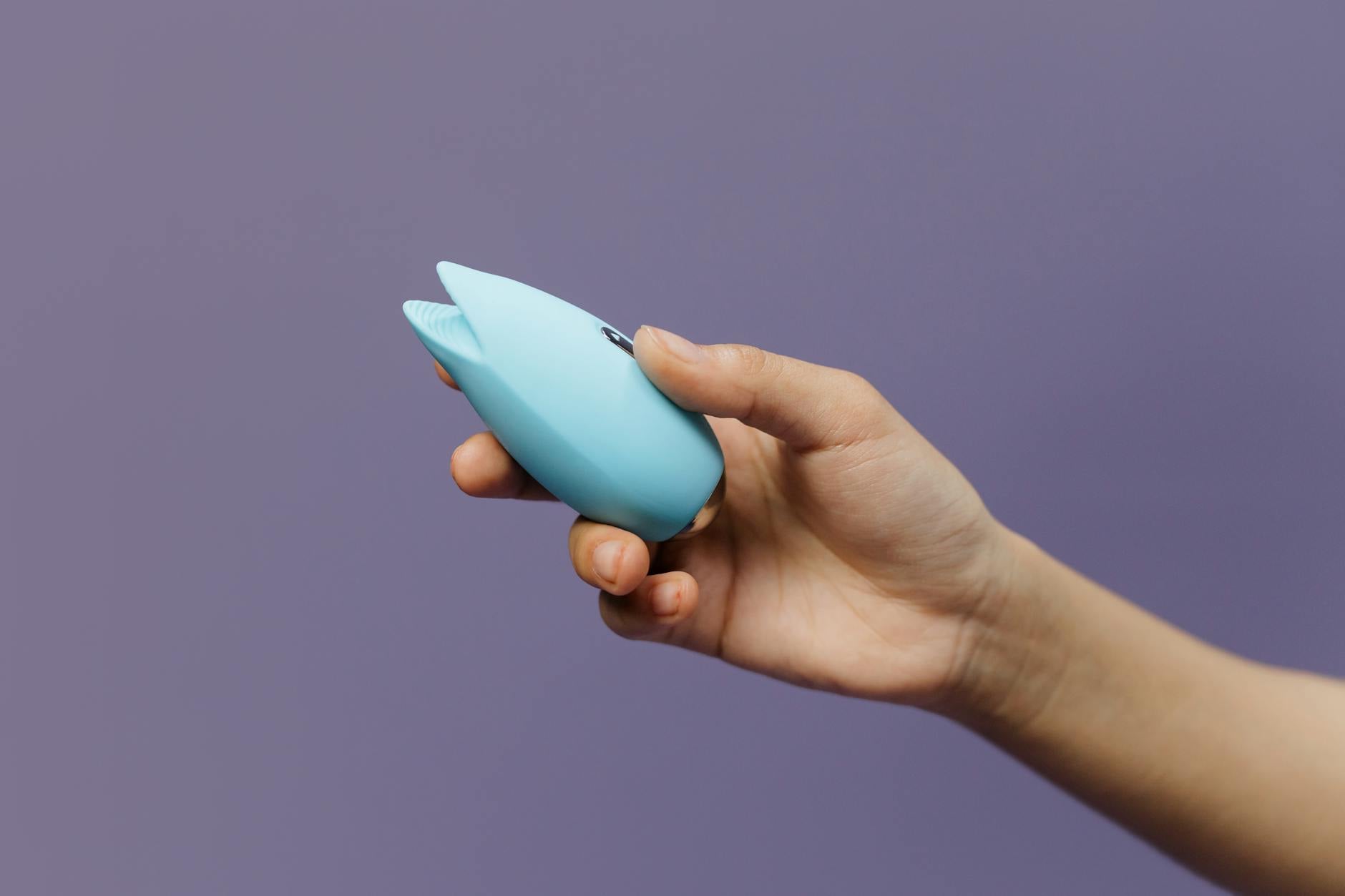
Photo by cottonbro studio on Pexels
When to use it and when to dig deeper
A lemon vibrator is genuinely helpful for rebuilding arousal. But it's not a fix for everything called "low desire."
Use a lemon clitoral vibrator if: Your desire is muted but you haven't had major relationship rupture or unresolved conflict. You know you're capable of pleasure. You just need your nervous system to wake up. You're looking to rediscover sensation on your own terms.
Dig deeper if: You feel no curiosity about pleasure, ever. You're actively avoiding your partner. You feel numb across multiple areas of life. You're dealing with untreated depression, anxiety, or trauma. You resent your partner more than you miss them. Your relationship is built on criticism or contempt.
Those situations need more than a tool. They need professional support. A vibrator is a companion to therapy and honest conversations, not a replacement.
How to actually use this for low desire
Here's what works.
Start with curiosity, not goals. You're not trying to orgasm. You're not trying to feel sexy. You're experimenting. That removes the pressure that kills everything.
Create time that's actually yours. Not rushed. Not squeezed between other things. Twenty minutes alone where your only job is to notice what your body wants. This is the rewiring part.
Use it before you feel ready. If you wait until you feel desire, you might wait forever. Use a lemon sucker to create the conditions. Desire often follows sensation, not the other way around.
If you have a partner, keep it separate at first. Rebuild your relationship to pleasure by yourself. Then invite your partner in once you remember what you're seeking. This prevents it from becoming another performance.
Track what changes. After two weeks of regular exploration, notice what shifts. Sleep? Mood? Energy? Sense of your own body? Often desire returns in pieces, not all at once. You want to notice the pieces.
The relationship question
Here's what I see clinically: sometimes low desire is a relationship's way of saying something needs to change. If you've been in the same dynamic for years, your desire might be telling you something's stuck.
If that's true, a lemon vibrator can be useful. It gives you back access to your own body's wisdom. But it's also worth asking: what is my desire telling me about this relationship? What would need to be different for me to want my partner again?
Those questions are harder than using a toy. But they matter. Sometimes low desire isn't a problem to solve. It's information to listen to.
What happens next
Low desire doesn't mean you're broken. It means something in your system is asking for attention. That might be hormonal. It might be relational. It might be that your nervous system has been running on high alert and forgot how to let pleasure land.
A lemon vibrator can be part of the rewiring. It's a concrete way to tell your body that sensation matters. That you matter. That pleasure is possible even when you've forgotten how to want it.
The rest is patience. Curiosity. And sometimes, help from someone trained to dig into the layers underneath.
People also ask
How long does it take for a lemon vibrator to help with low desire?
Most people notice shifts in their relationship to pleasure within 2-3 weeks of consistent use, but it's not linear. You might notice your mood improves before you feel more aroused. Your sleep might get better. Your sense of your own body might sharpen. Desire itself often takes longer to return because it's built on accumulated experiences, not a single tool. Think of it as rewiring, not rebooting.
Can lemon vibrators help if my low desire is from depression?
Partially. Depression suppresses desire neurologically, so a vibrator alone won't restore it. But depression also creates numbness and disconnection from your body. A lemon sucker can be part of reconnecting to sensation while you're working with a therapist or doctor on the depression itself. It's a companion to treatment, not a replacement. How to use a lemon vibrator for stronger sensation when on antidepressants covers this in more depth.
Is low desire different from low sex drive?
Yes, meaningfully. Low sex drive usually means your body isn't producing the hormones that create baseline interest in sex. Low desire is more often about context, safety, connection, and nervous system state. You might have normal sex drive but low desire for your specific partner. Or normal desire but a nervous system that's too activated to feel it. Understanding which one you're experiencing changes everything about how to respond.
Should I tell my partner I'm using a lemon vibrator for low desire?
That depends on your relationship and what you're hoping for. Some partners feel relieved to know you're trying to reconnect to pleasure. Others feel threatened. If you're rebuilding desire in the relationship itself, eventually honesty helps. If you're just reclaiming your own body first, you don't owe immediate disclosure. How to use a lemon vibrator with your partner when you're both nervous explores this conversation.
What if a lemon vibrator doesn't help after a month?
That's useful information. It might mean your low desire is rooted in something a tool can't address. Relationship rupture, unresolved trauma, significant hormonal imbalance, or depression usually need professional help. A vibrator works best when low desire is responsive to nervous system rewiring or disconnection from sensation. If neither of those fits, the next step is talking to a therapist or doctor about what's actually happening underneath.
Can I use a lemon clitoral vibrator if I'm on hormonal birth control affecting my desire?
Yes, and it can help you notice whether the birth control is the actual culprit. Some people find that a lemon sucker's specific sensation still creates arousal even when their baseline desire is muted by hormones. Others find it changes nothing, which tells you the hormonal component is dominant and might need a different approach. Either way, you get data about what's actually driving your low desire.
If you're looking for more specific guidance on how desire shifts with your cycle or hormones, how lemon vibrator sensation changes after hormonal shifts goes deeper into the biology.
Low desire is not a character flaw. It's your body and nervous system communicating. A lemon vibrator can help you listen. But listening fully might also mean having harder conversations with your partner, getting support from a professional, or making bigger changes. Start with curiosity. The rest will follow.