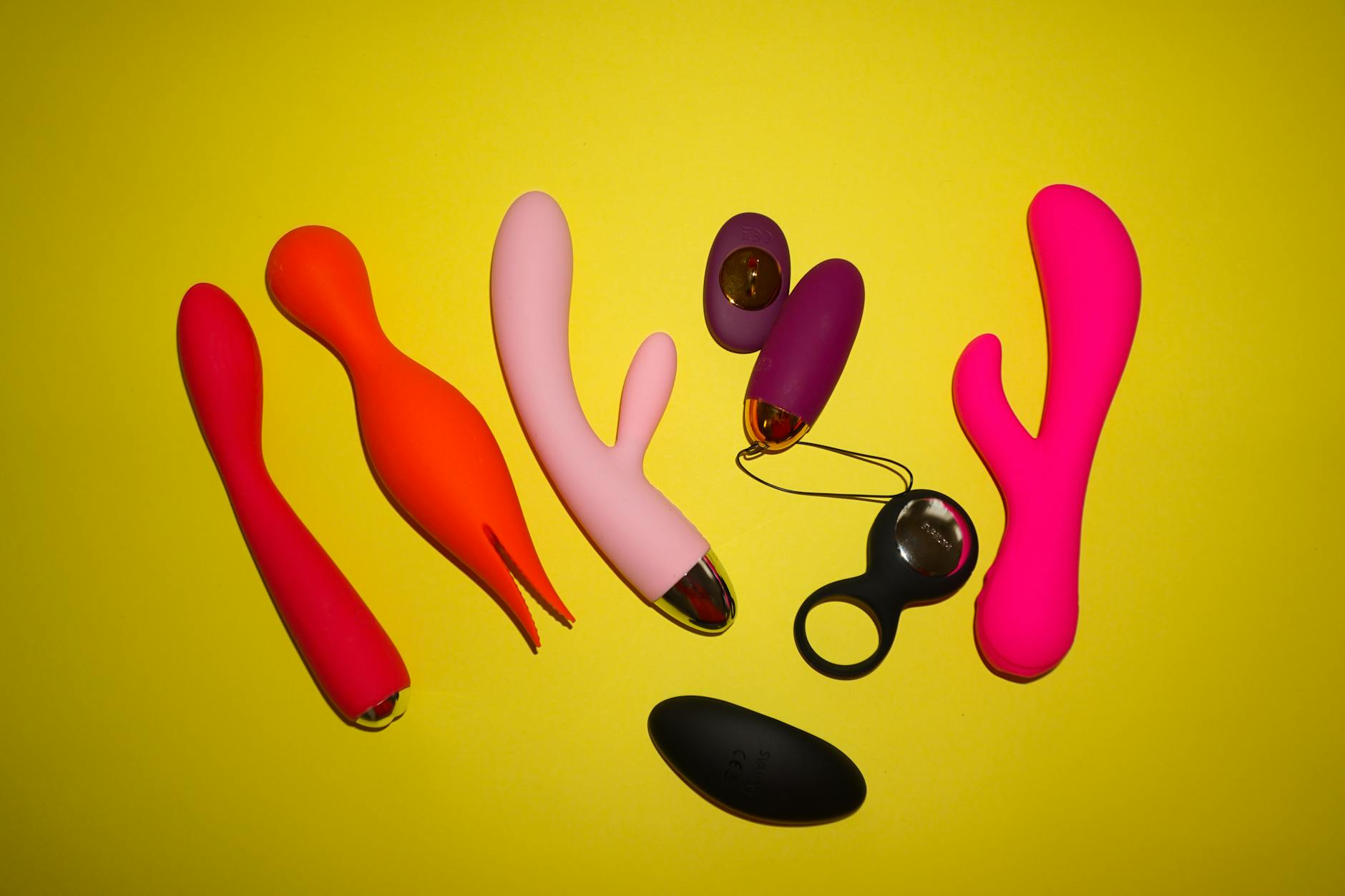
How to Use a Lemon Vibrator With Your Partner When You're Both Nervous
Let's be real. The moment before you bring up toys with your partner is weirdly tense. You're already imagining the response, already second-guessing whether this is a "we" thing or a "me" thing, already wondering if they'll think you're unsatisfied. They might be feeling something similar if they're the one initiating. That nervousness is completely normal. And it's also solvable.
Introducing a lemon vibrator or any clitoral vibrator into partnered sex isn't about fixing what's broken. It's about expanding what already works. The trick is separating the conversation from the performance. When you do, the nervousness lifts. I've seen this work with hundreds of couples, and the shape of the solution is always the same.
Here's how to navigate this without the awkwardness.
The conversation has to happen before the bedroom
This is non-negotiable. Do not wait until you're naked to mention that you want to bring a vibrator into sex. That's asking for a startled response in the most vulnerable moment. Instead, pick a moment that feels low-stakes. You're making dinner, sitting on the couch watching something, in the car. Somewhere you're not making eye contact the entire time, because weirdly, that helps.
Start with what you actually want, not what you're afraid they'll think. "I've been thinking about trying a lemon vibrator during sex" is infinitely better than "Are you okay if I use a vibrator?" One says "here's something I want to explore with you." The other sounds like you're asking permission for something you're secretly ashamed of. You're not.
If nerves take over and you can't find words, text it. I know that sounds like avoidance, but it's actually strategic. A text gives both of you time to process without feeling watched. You send "Hey, I've been curious about trying a clitoral vibrator when we're together. Would you be interested in exploring that?" They read it when they're alone. They think about it. The conversation that follows is genuinely a conversation, not a performance.
What they might be worried about (and how to address it)
They might think you're not satisfied with them. This is the number one fear. Address it directly. "This isn't about anything being wrong. I just know my body, and this is something I want to try. I want us to do it together."
They might think toys are replacing them. They're not. A lemon vibrator does one specific thing: stimulate the clitoris in a way fingers or a penis can't match. It's not competition. It's a tool. You can build this in by saying something like "I still want you. I want this in addition to you. Some orgasms feel better with the right tool, and that's biology, not a reflection on us."
They might be genuinely uncertain about logistics. Like, where do they go? What do they do with their hands? How do you synchronize? These are fair questions. Reassure them that you'll figure it out together, and that's actually part of the fun. More on that in a second.
They might need a moment to adjust to the idea. That's okay. You don't have to move at hyperspeed. If you've mentioned it and they're lukewarm, give them a week or two. People need time to sit with new ideas.
How to introduce the vibrator for the first time
Don't make it a big reveal. You're not presenting it as a costume change. Instead, have it nearby before you start being physical. In a nightstand drawer, under a pillow. Somewhere it's accessible but not ceremonial.
Start without it. Kiss, touch, do whatever your normal warm-up looks like. Get aroused. Then, when things are heating up, mention it. "I want to grab the vibrator." Not a question. A statement. A lemon vibrator like the Lem is designed to work solo or with a partner, which actually makes this easier. It fits in small spaces.
If your partner wants to hold it, great. If they want to focus on penetration or other stimulation while you use it on your clitoris, that works too. Some couples find that the vibrator works best when one person holds it and the other focuses on something else. Some people want to hold it themselves. You won't know until you try, and that's genuinely fine.
The first time, go slow. Use it at a lower intensity. Notice what feels good. Check in with your partner every minute or so. "Does this feel okay? Do you like watching?" These check-ins aren't clinical. They're hot. They show you're both engaged and thinking about each other.
The role your partner actually plays
This is where most couples get confused. They think toys mean they get sidelined. They don't. Your partner's role shifts, but it doesn't shrink.
They can hold the vibrator while you guide it. They can use it on you while they penetrate you with their fingers. They can use it while you're performing oral sex on them. They can penetrate you while you use it on yourself. The point is that there are multiple ways to integrate this, and you get to choose based on what feels good in the moment.
Their hands, mouth, body, and attention are still completely part of the picture. A lemon vibrator isn't a replacement for partner presence. It's an addition to it. Make sure they understand this, and remind them if they seem hesitant.
Managing the emotional layer
Here's what I tell couples: sometimes using a vibrator with a partner triggers stuff. It can feel vulnerable. It can bring up insecurities you didn't know were there. You might feel exposed. They might feel uncertain about whether they're needed.
That's all normal. That's where the conversation matters. After sex, when you're both relaxed, talk about it. "That felt really good. I loved having you involved. How did it feel for you?" Listen. Don't defend. If they felt weird, ask what the weirdness was. Was it visual? Did it feel alienating? Did they love it?
Many partners, once they actually try it, realize they find it incredibly hot. There's something deeply intimate about watching your partner come harder than usual. About knowing you're helping create that. That shifts the whole dynamic from "threat" to "shared pleasure."
When one of you is still hesitant
If you've had the conversation, explained the stakes, and they're still not feeling it, don't push. Instead, ask what would make them more comfortable. Would they want to watch you use it solo first, alone, so they can see how it works without the pressure of performing? Would they feel better if you let them control it, since that might make them feel more powerful? Would they prefer starting with a smaller, less intense clitoral vibrator?
Flex on the details. The goal isn't to force a specific sexual scenario. The goal is to help you both feel good and supported. If they need more time, or if they need to start differently, that's legitimate.
Making it feel natural, not clinical
The dumbest thing you can do is treat the vibrator like a medical intervention. Don't give it a whole speech about its benefits. Don't hand it over like you're introducing them to your therapist. Just use it the way you'd use fingers. Naturally. In the flow of things. Less ceremony means less weirdness.
Build the intro into foreplay. Have it nearby but don't make it the main event. Most couples find that after the first time or two, it stops feeling like a "thing" and starts feeling like part of the menu. That's when it actually starts being fun.
How communication stays open as you go
Whatever happens the first time, keep talking afterward. Not in a clinical debriefing way. Just check in. "That felt good." "Did you like that?" "Want to try it again next time?" "Would you want to try something different?"
Sometimes what works the first time doesn't work the second time. Sometimes it takes three attempts to figure out angles and intensity and everyone's role. That's all fine. You're both learning.
If your partner's hesitation never fully lifts, you have options. You can use the vibrator solo and they can be present and involved in other ways. You can explore what specifically is making them uncomfortable and see if there's a way to address it. You can read some of the resources about why partners sometimes feel threatened by toys and decide whether that resonates.
But most of the time, once the conversation happens outside the bedroom, once they understand it's not a referendum on them, and once they see how much pleasure it creates for you, the anxiety evaporates. What felt scary becomes normal. What felt clinical becomes fun.
One more thing about the right tool
If you're starting from nervous, a lemon vibrator like the Lem is actually a good choice. It's compact enough that it doesn't feel overwhelming. The sensation is focused and precise, not intimidating. And the design is beautiful enough that it doesn't feel clinical. Your partner can see it's actually a nice object, not a medical device. That small shift in perception genuinely matters.
People also ask
What if my partner thinks introducing a vibrator means I'm not satisfied with our sex life?
This is the most common fear, and it's worth addressing head-on. A clitoral vibrator doesn't enhance sex because your partner is failing you. It enhances sex because it delivers a specific type of stimulation that hands and bodies can't replicate. That's biology, not rejection. You can also frame it as exploration, not criticism. "I want us to discover new things together" is very different from "this isn't working for me." Make sure they hear the former.
How do I use a lemon vibrator during penetration?
Most partners find it works best if you're the one holding or controlling it, focusing on your clitoris while your partner penetrates you with a penis, fingers, or both. Some couples find that the person penetrating you can hold the vibrator against your clitoris while they're inside you. It takes a little coordination, but it's learnable. Start in positions where you have access to your body. Cowgirl, spooning, or lying on your back with them between your legs all work well. Try a few positions and see which feels best.
What if we don't know what to do with our hands or where to position ourselves?
That's completely normal, and honestly, figuring it out together is part of the fun. Start simple: you lie on your back, they're beside you or between your legs, and you control the vibrator. Once you've done that a few times, you can experiment. Let your hands explore. Let them guide the vibrator if they want to. The first time doesn't have to be the final word on how you do this. You get to iterate.
Can I use a clitoral vibrator if my partner is skeptical but willing to try?
Absolutely. Skeptics often become converts once they actually experience how much pleasure it creates. The key is keeping the first time low-pressure. Don't make it a whole thing. Just incorporate it like you would any other tool. Most skeptical partners relax once they see that it doesn't diminish their role. If anything, watching you have an intense orgasm is something they'll want to repeat.
Should I tell my partner I want to use a vibrator via text or in person?
Either is fine, but pick whatever feels most natural for you. If you're prone to stumbling over words when you're nervous, text might be easier. If you're someone who needs to see their face and read their response, in-person in a low-stakes moment is better. There's no wrong move here, only what works for your communication style.
What if my partner wants to use the vibrator on me but I'm nervous about that?
Let them practice with you solo first, so you can show them exactly what feels good and what doesn't. Guide their hand. Tell them what intensity works. Some people find that giving up control to their partner with a vibrator feels incredibly vulnerable and intimate. Others prefer keeping control. Neither is wrong. Talk about what you need, and adjust accordingly.