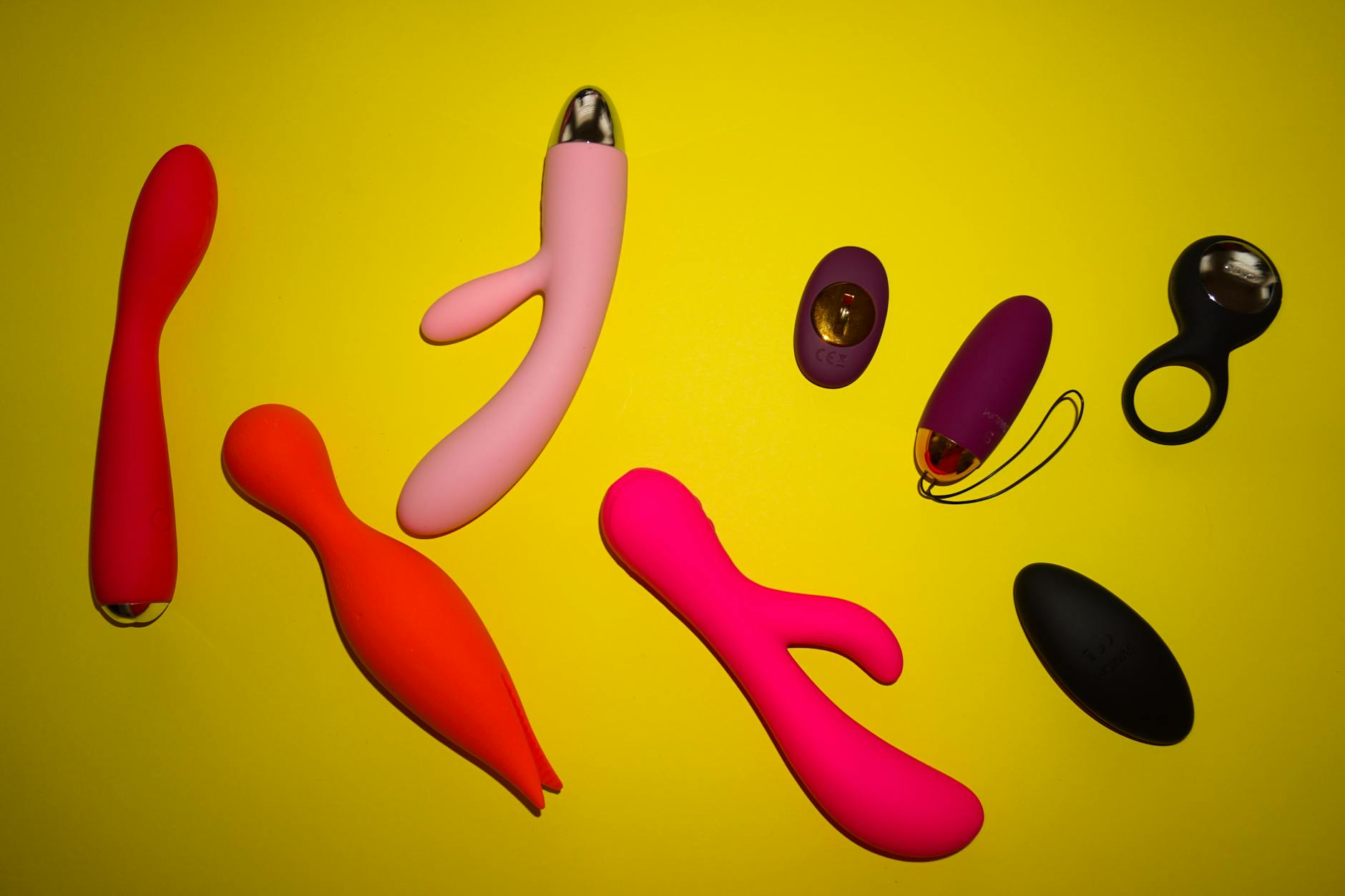
How hormones actually change what you feel
Your lemon vibrator worked beautifully three months ago. Now? Same device, same patterns, completely different experience. Before you assume something's wrong with you or your toy, here's what's probably happening: your hormones shifted.
Hormones don't just regulate your cycle or your mood. They fundamentally change how your clitoris responds to touch, how quickly arousal builds, and which intensity settings feel best. This isn't a bug. It's how your body actually works.
What happens to clitoral sensitivity during hormonal fluctuations
Estrogen directly affects tissue thickness and blood flow to the clitoris. When estrogen is high, tissues swell slightly, becoming more sensitive and responsive. When it dips, that tissue thins a little, blood flow decreases, and sensitivity flattens out.
Progesterone plays a different role. It tends to lower arousal and slow down the cascade of sensations that lead to orgasm. High progesterone phases feel less urgent, less electric.
Then there's testosterone. Yes, people with ovaries produce it too, and it's one of the biggest drivers of clitoral sensitivity and desire. When testosterone dips, orgasms often feel less intense, take longer to reach, or require more direct stimulation to trigger.
Here's the part nobody explains clearly: these shifts don't mean your lemon vibrator stops working. They mean the settings that worked last week might not be your sweet spot this week.
Why your response time feels slower some weeks
Faster arousal happens when estrogen is higher and testosterone is stable. Your clitoris swells, blood vessels dilate, and nerve endings fire more readily. This is usually the follicular phase (first half of your cycle) for people who menstruate.
Slower arousal happens during the luteal phase (second half), when progesterone rises and estrogen drops. This doesn't mean you're broken or that your lemon sucker isn't powerful enough. It means your nervous system is literally in a different state.
I see this constantly: someone tries their device on Day 8 of their cycle and climbs in three minutes. They try it on Day 22 and get frustrated after ten minutes because nothing's happening. Same device. Same person. Completely different hormonal landscape.
The fix is simple: extend your warm-up time. Spend 15-20 minutes on arousal activities that don't involve the device. Reading erotica, fantasy, partnered touch, manual stimulation. Let your body climb at its actual pace instead of fighting the rhythm your hormones are setting.
How to adjust your lemon vibrator intensity when sensitivity shifts
When clitoral sensitivity is high (usually mid-cycle), start at pattern 1 or 2 on your lemon vibrator. Many people find they need less stimulation and can reach orgasm faster. The suction mechanism of devices like the Lem means even the gentlest setting packs real power.
When sensitivity is lower (usually late cycle), you might jump straight to pattern 3 or 4. Your tissues need more input to wake up. This is when people often think their device is broken. It's not. Your hormone levels just shifted the threshold.
One client told me she thought she'd desensitized herself to her lemon clitoral vibrator after two years of use. Turned out she was tracking her cycle wrong, tried her device during a progesterone peak, found it underwhelming, and assumed tolerance had set in. Once she mapped out her actual cycle phases and adjusted the intensity accordingly, she realized the device worked perfectly at every phase. She'd just been using the same settings all month instead of listening to what her body needed.
Lubrication changes you'll notice
Estrogen affects natural lubrication production. High estrogen means more moisture, which makes suction devices like lemon vibrators glide smoother and feel more comfortable. Low estrogen means less natural lubrication, which can make any clitoral stimulation feel dry or uncomfortable.
This isn't a reason to skip using your lemon sexual toy. It's a reason to keep water-based lubricant on hand year-round. A thin layer of lube around the clitoral area actually improves sensation because it reduces friction and lets the suction work more effectively. You're not compensating for a broken system. You're optimizing the one you have.
Hormonal birth control complicates this. Some formulations flatten out hormonal swings entirely, which means sensitivity stays relatively stable month to month. Others create sharper fluctuations. If you've switched birth control and your lemon vibrator suddenly feels different, that's why.
Pelvic floor tension and hormonal cycles
Progesterone increases muscle tension throughout your body, including the pelvic floor. When progesterone is high, your pelvic floor naturally tightens. This can make orgasms feel shallow, delayed, or hard to access. It's not pleasure-blocking. It just changes the sensation.
I recommend learning pelvic floor relaxation, not just strength work. During high-progesterone phases, spend five minutes doing reverse Kegels (slowly releasing the pelvic floor) before using your device. Breathe deeply. Let the tissues soften. You'll notice your lemon clitoral vibrator feels different. Better. More accessible.
When hormonal shifts signal something medical
If your sensitivity has completely flattened out and doesn't fluctuate with your cycle anymore, that's worth mentioning to a doctor. Certain medications, thyroid dysfunction, or hormonal imbalances can suppress clitoral sensitivity in ways that don't follow a monthly pattern.
If you've always had strong sensation and suddenly orgasms vanish entirely, that's also a conversation starter with a healthcare provider. Hormonal shifts are normal and manageable. But complete loss of sensation deserves professional input.
The bigger picture: sensitivity isn't stable, and that's fine
One reason lemon vibrators work so well is they're sensitive enough to pick up on small shifts in your body's response. They don't just brute-force sensation. They invite it. Which means they'll feel different depending on your hormonal state, and that's actually the feature, not the flaw.
Instead of expecting to use your lemon sucker the same way every single day, treat it like an instrument you're learning to play. Some days the perfect note is soft and sustained. Other days it needs intensity and speed. Your hormones tell you which.
Track three variables for two months: which day of your cycle you are, which intensity pattern you used, and how long it took to orgasm. By month three, you'll have a map. You'll know that Pattern 2 on Day 12 gets you there in five minutes, but Pattern 4 on Day 24 is what works during your luteal phase. That's not trial and error. That's you getting genuinely smart about your own body.
FAQ: Hormonal shifts and lemon vibrators
Why does my lemon vibrator feel numb during my period?
Your period marks the tail end of the luteal phase, when hormones are at their lowest points. Clitoral tissue is thinnest, blood flow is reduced, and sensitivity flattens. This is also a time when pelvic cramping can make direct clitoral stimulation uncomfortable. If you want to use your device during your period, try gentler patterns and focus on areas slightly adjacent to the clitoris rather than direct contact. Many people find they prefer manual stimulation or resting during this window.
Does hormonal birth control make lemon vibrators stop working?
No, but it changes how sensation feels. Hormonal birth control prevents the monthly hormone swing, so your sensitivity stays more consistent. Some people find this is actually better because they can trust their device to feel similar day to day. Others miss the intensity peaks of ovulation. Neither response is wrong. It's worth giving yourself 2-3 months on a new birth control before deciding whether a device feels different, because your body takes time to settle into the new hormone profile.
Can I predict when my lemon vibrator will feel best?
Yes, roughly. If you menstruate, mid-cycle (around day 14 of a 28-day cycle) is typically when clitoral sensitivity peaks. Estrogen and testosterone are both elevated, tissues are full of blood, and many people report the easiest, most intense orgasms of their month. This is when you might drop down to Pattern 1 and still feel plenty. Mark this on your calendar and plan solo time if you like predictability.
What if I'm on antidepressants and my lemon vibrator doesn't feel like much?
Some SSRIs (selective serotonin reuptake inhibitors) dampen orgasm capacity and clitoral sensitivity as a side effect. This is separate from hormonal cycles. If you suspect your medication is the culprit, talk to your prescriber about timing (some people take their dose after sex rather than before) or alternative medications. Don't stop taking your antidepressant to chase sensation. The conversation with your doctor is the move.
My lemon vibrator worked great, then stopped. Is it broken?
Probably not. Check three things first: (1) Did your birth control change? (2) Are you more stressed than usual? (3) Did you start a new medication? All three can flatten sensitivity. If none of those apply, your device might genuinely have a charge issue or a motor problem. Reach out to Hello Nancy support to troubleshoot. But odds are high your body just shifted, not your toy.
How long does it take for sensation to stabilize after stopping hormonal birth control?
Three to six months. Your body needs time to remember how to produce its own hormonal rhythm. During this transition, your lemon clitoral vibrator might feel wildly different week to week as your cycle reestablishes. This is normal and temporary. Once your cycle settles into a regular pattern, your device will feel more predictable again.
Recalibrate, don't panic
Sensitivity shifts aren't a sign your lemon vibrator is broken or that you've damaged yourself. They're evidence that your body is actually working, that hormones are doing their job, and that your nervous system is exquisitely responsive to chemical changes.
The move is to track what you notice, adjust your approach, and trust that your pleasure capacity hasn't gone anywhere. It just got seasonal. And that's not a problem. That's data.
If you want more hands-on guidance on navigating these shifts in your relationship or solo life, I'm here for that. Reach out to say hello.
References
- Pfaus, J. G., et al. (2016). "Appetitive and consummatory sexual behaviors in men and women." Physiology & Behavior, 163, 144-153.
- Sanders, S. A., et al. (2012). "Variability in orgasmic response to partner stimulation among women with sexual arousal/interest disorder." Journal of Sexual & Marital Therapy, 38(5), 451-467.
- Wallen, K. (1995). "The evolution of female sexual desire." Trends in Ecology & Evolution, 10(9), 367-371.