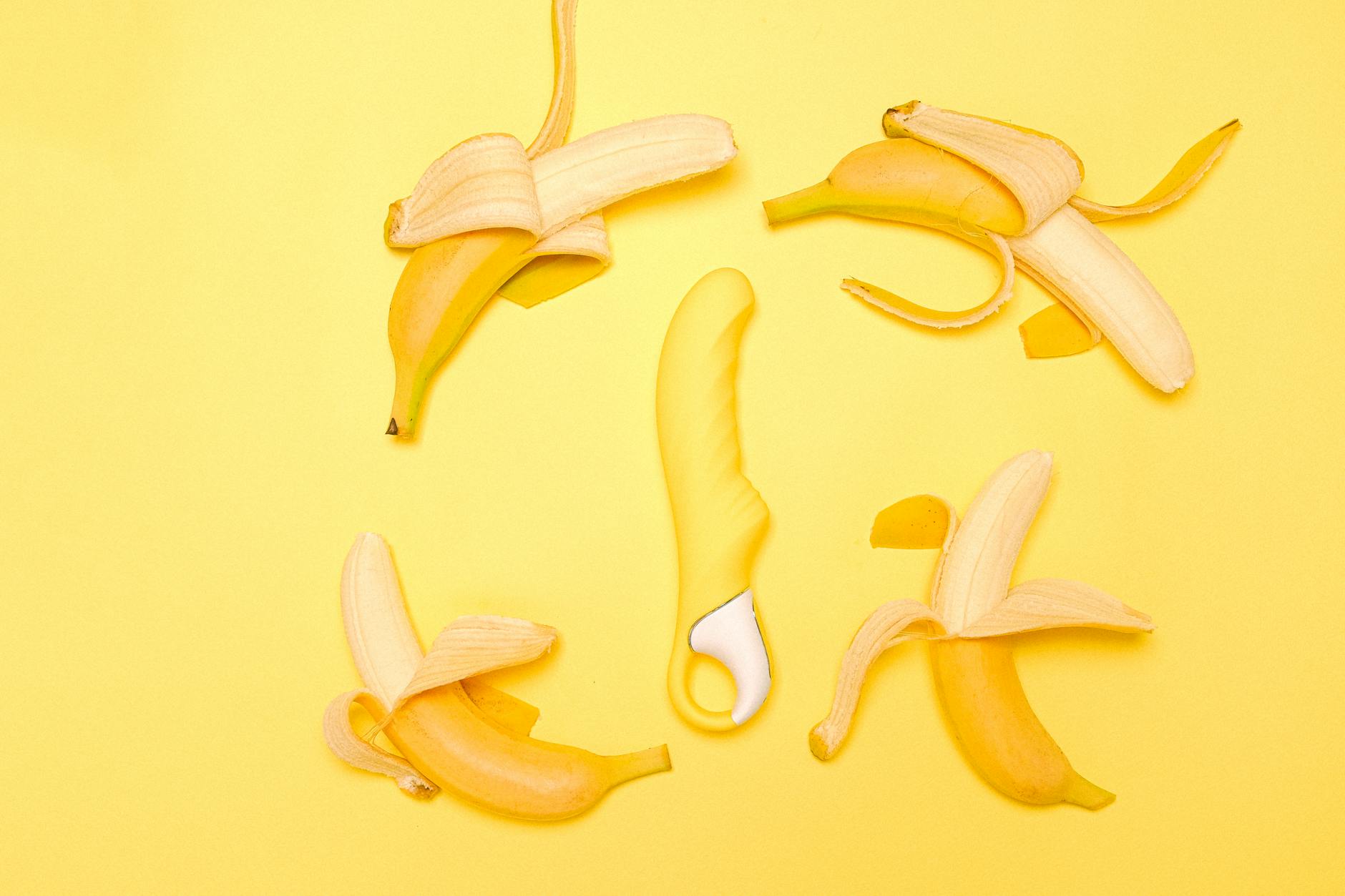
Here's what you need to know before you start
Your body isn't broken. It's just been quiet for a while. When you step away from sexual pleasure for months or years, your nervous system doesn't forget how to respond. But the pathway gets quieter, the timing feels unfamiliar, and your brain might be running interference with doubt or rust or simple overwhelm.
That's not dysfunction. That's a normal reset.
What changes is the entry point. If you're restarting after a long hiatus, jumping straight back into what worked before rarely works. Your sensitivity might feel different. Your arousal timeline has shifted. Your confidence needs rebuilding. A lemon vibrator, specifically, can be the gentlest, most non-threatening way to reestablish that connection because it works with your body's natural response curve instead of demanding speed.
Why extended breaks change the landscape
When you step away from sexual expression for an extended period, a few things happen physiologically and psychologically. First, the blood flow patterns to your genitals become less frequent. This means arousal takes longer to build, not because anything is wrong, but because your vascular system is out of practice.
Second, the mental load of "getting back into it" can hijack your nervous system. You might be wondering if you still know how to do this, if your body still works the way it did, if your partner still finds you desirable, or if you even want this anymore. That cognitive chatter is louder than your actual desire signal, and it's nearly impossible to orgasm when your brain is running a checklist instead of receiving sensation.
Third, your threshold for stimulation might feel flipped. Some people find they need much gentler touch after a break; others discover they need more pressure because their nerve endings have become less reactive. You won't know which camp you're in until you start exploring.
This is precisely where the lem vibrator from Hello Nancy's Savo excels. Its suction-based mechanism doesn't demand intensity. It invites responsiveness. You control the pressure, the rhythm, and the pace entirely.
How to start: the first solo session
Don't skip the solo exploration phase. I know the instinct is to jump back in with a partner, but you need to rebuild your own baseline first. Here's how.
Set aside 30 minutes in a space where you won't be interrupted. This might feel like a lot of time investment for something you used to do spontaneously, but you're not building speed. You're building awareness.
Start clothed. Spend the first 10 minutes just lying down, breathing normally, and letting your body settle. No pressure to become aroused. Just presence. This recalibrates your nervous system's relationship with pleasure as non-urgent. Then, slowly undress yourself. Notice what feels comfortable. If a particular touch or texture brings a flinch, that's data. Your body is telling you something.
Once you're ready, apply a water-based lubricant around your vulva and clitoris. Even if you think you don't need it, you do. Extended breaks reduce natural lubrication, and lube eliminates friction worry. It also extends your arousal window because you're not working against resistance.
Start the lemon vibrator on the lowest setting. Hold it near your clitoris without full contact. Let the sensation build gradually. The lemon's air-suction design means you're getting stimulation without the jarring intensity of traditional vibration. This matters because your nerve endings are reawakening, and gentle reunion beats aggressive reunion every time.
Stay here for 5 to 10 minutes. Your arousal might feel subtle, almost hard to detect. That's normal. You're not chasing an orgasm. You're chasing recognition. After months or years, pleasure comes back as a whisper before it becomes a shout.
Building the bridge back to partnered pleasure
Once you've had a few solo sessions with the lemon vibrator and felt your body respond, it's time to bring your partner into the picture. But here's the critical part. Do not hand them the vibrator and expect seamless integration.
Instead, spend one session exploring together with the vibrator present but not yet active. Show your partner where you like the lem positioned. Let them understand your rhythm before anything turns on. This removes the pressure of performance and gives your partner insight into what your body is communicating.
In the next session, use the lemon vibrator together. Your partner can hold it while you guide the pressure and speed. This creates collaboration instead of spectating. You're literally steering the experience, which means your nervous system stays regulated and your pleasure stays in focus.
Many people who restart intimacy after extended breaks tell me the turning point came when their partner stopped trying to make it feel like "before" and started exploring what it feels like "now." The lemon vibrator facilitates this shift because it's obviously a tool, not a threat. It's not about replacing your partner. It's about rebuilding your body's capacity to receive pleasure, with your partner participating.
Common friction points and how to move through them
You might notice that sensation feels muted even with the vibrator on a higher setting. This is vulvar desensitization from disuse, not permanent numbness. Your nerve endings need time and repeated gentle stimulation to wake up. Resist the urge to crank up intensity immediately. Instead, extend your exploration time. Spend three weeks at setting 1 and 2. Then progress. Speed rebuilds slower than you think, and that's not a problem.
You might also find that your arousal pattern has changed entirely. Maybe you used to get turned on by visual stimuli and now you need emotional connection first. Maybe you need 20 minutes of foreplay instead of 5. This isn't regression. This is renegotiation. Your body is telling you what it needs now, and those needs deserve respect.
Another common experience. Anxiety spikes right when arousal should be building. Your brain remembers the break and starts predicting disappointment. Breathe through this. Anxiety and arousal can coexist during the restart phase. The anxiety doesn't mean you're doing it wrong. It means your nervous system is being cautious. Keep going. After three or four successful sessions where nothing bad happens and pleasure does return, the anxiety usually settles.
Reframing the timeline
Here's what I wish everyone knew about restarting intimacy after an extended break. The timeline isn't 2 weeks or a month. For most people, genuine comfort and responsiveness returns after about 6 to 8 weeks of consistent gentle exploration. Some people need less. Some need more. This isn't something to rush.
The lemon vibrator from Hello Nancy's Savo is specifically designed for this because it gives you fine-grained control. You're not working with one speed or pattern. You're working with a spectrum of intensity that you can adjust mid-session as your body's feedback changes.
Your partner, if you have one, needs to understand this timeline too. The rebuild phase isn't a failure. It's exactly what healthy restart looks like. When partners understand the nuances of sensitivity and timing, the whole experience becomes less fraught.
What to expect emotionally
Pleasure returning after a long break often arrives with emotion. Sometimes joy. Sometimes grief for lost time. Sometimes both at once. Your body might release tension you didn't know you were holding. You might cry during or after an orgasm. This is completely normal and incredibly common.
If this happens, stay with it. Let the emotion move through. Your body is not malfunctioning. It's processing the reunion with pleasure as a form of self-care and reconnection. Some of my clients describe their first orgasm after a long break as a kind of emotional reset. They emerge feeling more at home in their bodies than they did before the break.
The bridge back to spontaneity
Eventually, you won't need the lemon vibrator every time. Your body will remember spontaneity. But honestly, many people who restart intimacy after extended breaks choose to keep the vibrator in regular rotation because it keeps the pleasure pathway wide open. There's no rush to graduate away from it. This isn't a training wheels situation where the goal is to not need it. The goal is pleasure, however that looks.
Frequently asked questions
How long should I wait between solo sessions before involving my partner?
Start solo, then after 3 to 4 sessions where you've felt your body respond, invite your partner in. There's no magic number. You'll know because you'll start wanting to share the experience instead of just getting comfortable with it.
What if orgasm still doesn't happen after several weeks?
Orgasm isn't the goal during the restart phase. The goal is sensation, responsiveness, and comfort. Many people find that orgasms return more easily once they've spent time rebuilding the pathway without the pressure to climax. If it's been 8 weeks and nothing's shifting, consider checking in with a pelvic health specialist or therapist to make sure there's not a medical or psychological component you haven't addressed yet.
Can I use the lemon vibrator if I'm restarting with a new partner?
Absolutely. In fact, introducing the lem vibrator early with a new partner is often easier than reintroducing it to a long-term partner because there's no "before" to compare it to. You're building the experience fresh together. That said, introducing toys for the first time with any partner has its own nuances.
Should I tell my partner about the extended break in my sexual response?
Yes. This is an emotional and physical reality you're navigating together. The more your partner understands that your body is recalibrating, not rejecting them, the more support they can offer. Silence around this tends to breed resentment. Clarity breeds patience.
What if I'm restarting after a painful experience or trauma?
The lem vibrator can be a gentle tool for rebuilding, but please work with a trauma-informed therapist or pelvic floor specialist alongside your solo exploration. Pleasure after trauma requires support beyond what a vibrator can provide. If you're navigating complex pain or trauma history, that professional guidance is essential.
How do I know if I should be using a more intense vibrator or stay with the lemon?
Start with the lemon. Its gradual suction-based stimulation is ideal for the restart phase because it matches how your body naturally returns to arousal. If after 8 weeks you find you're maxing out the highest setting and still not feeling satisfied, then explore other options. But most people find the lem's range more than sufficient once their baseline sensitivity has returned.
The real timeline
Restarting intimacy after an extended break isn't a sprint back to your previous pattern. It's a renegotiation with your body about what pleasure means now. The lemon vibrator is a bridge, not a destination. It gives you fine control, removes performance pressure, and works with your nervous system instead of against it. Use it. Explore. Let your body remember its own capacity for sensation. That's the whole point.