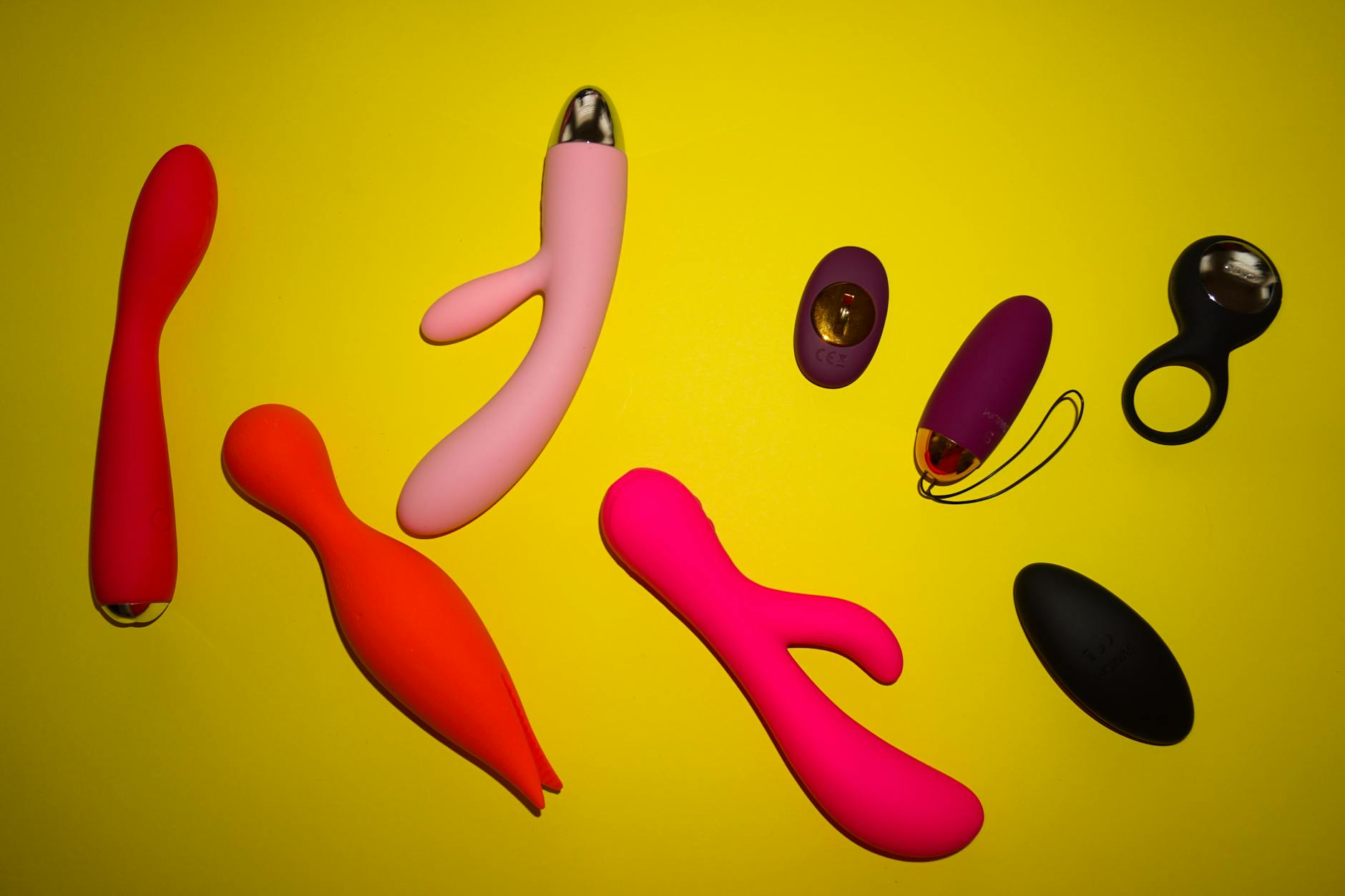
Let's talk about why one lemon vibrator might feel perfect for your friend and overwhelming for you
Clitoral sensitivity isn't a spectrum you stay on forever. It shifts with arousal, stress, hormones, medication, age, and even the time of day. But here's what most people don't realize: the tool you pick matters as much as the body you bring to it. A lemon clitoral vibrator designed for someone with lower sensitivity might feel like a direct hit to a live nerve for someone with high sensitivity. The reverse is also true. Pick wrong, and you'll assume the toy doesn't work for you when really it's just the wrong match.
I've worked with countless people who thought they "couldn't come with toys" until they switched to a device that matched their actual sensitivity profile. The difference isn't subtle. It's life-changing.
Understanding clitoral sensitivity types
There are roughly four sensitivity profiles, and they don't correspond to age, body type, or sexual experience. They're about neural density and individual variation.
Very high sensitivity. You feel vibration immediately, sometimes uncomfortably. Direct clitoral contact is often too much. You might prefer indirect stimulation, lower speeds, or broader contact surfaces. Many people with very high sensitivity actually avoid toys because they've had bad experiences with intensity they couldn't control.
High sensitivity. You enjoy vibration but need to build up to it. You can handle mid-range intensity, but you probably start on lower patterns and work your way up. You might find yourself backing off if the intensity creeps too high too fast.
Average sensitivity. You're comfortable across a range of intensities and can adjust based on arousal level. Most toys designed with a "one-size-fits-most" approach target this group.
Lower sensitivity. You need sustained, consistent intensity to feel stimulation clearly. You might feel little to nothing on the lowest settings. You often prefer stronger sensation or longer build-up time.
The key thing: sensitivity isn't permanent. Stress, hormones, medications, and even how turned on you are in that moment shift where you fall. But there's usually a sweet spot that feels most natural for your body most of the time.
How lemon vibrators differ in intensity and contact
A lemon clitoral vibrator works through suction and pulsing sensation. What changes is how much pressure the suction applies and how many pattern options you have to play with intensity.
Gentle lemon suckers offer lighter suction and softer contact. They're ideal if you have very high sensitivity, if you're rebuilding sensation after injury or trauma, or if you're exploring toys for the first time. The sensation builds gradually, which gives you time to adjust. Many people find this approachable because it doesn't feel "overwhelming right out of the gate."
Medium-intensity lemon vibrators hit the middle ground. They offer noticeable suction and pulse without being aggressive. They work well for most people, which is why they're the most commonly recommended starting point. The patterns usually include a few ramp-up options so you can start slow and increase as arousal builds.
Strong lemon adult toys deliver concentrated suction and rhythm. They're designed for people who need more pronounced sensation to register clearly. If lower intensity makes you feel nothing, a stronger lemon sexual toy is worth trying before you assume toys "don't work" for you.
But here's what matters: intensity isn't the only variable. The shape of the stimulation surface, the width of the contact area, and the pattern sequences all change how it feels.
Matching your sensitivity to the right device
If you have very high sensitivity, look for these features:
- A wider contact surface (broader pressure distributed over more area feels gentler than a narrow point)
- Lower starting speeds (you should be able to begin on the gentlest setting and build from there)
- Flexible pattern options (you want to control the rhythm, not be locked into one sequence)
- A device you can position indirectly (some people with very high sensitivity prefer stimulating the hood or the sides rather than the tip)
If you have high sensitivity, you're probably comfortable with mid-range devices that have a few intensity levels and pattern variety. Most lemon clitoral vibrators marketed as beginner-friendly fit here.
If you have average sensitivity, you have flexibility. Most devices will work. The question is what patterns appeal to you (steady hum versus rhythmic pulsing) and whether you prefer simplicity or lots of options.
If you have lower sensitivity, you need:
- Consistent, sustained intensity (patterns that fade in and out might not register)
- Stronger suction and pulse strength
- A narrower contact point that concentrates sensation
- Multiple intensity levels so you can push higher when you want to
One practical note: when you first test a lemon vibrator, don't start at full intensity. Even if you think you have lower sensitivity, beginning on a gentler setting lets your body adjust to the sensation before you crank it. You can always increase. You can't unknow what "too much" feels like.
The role of arousal and preparation time
Honestly, this is where people make the biggest mistake. You bring a new lemon sexual toy to bed when you're not fully aroused, and you conclude it doesn't work for you. Arousal literally changes clitoral blood flow, tissue thickness, and nerve sensitivity. A device that feels meh when you're 40% turned on might feel incredible when you're at 75%.
Budget at least 15 minutes of foreplay or solo warm-up before you introduce a new toy. Touch your body. Focus on sensation. Let your system wake up. Then bring in the lemon vibrator. You're not giving it an unfair advantage. You're meeting it in the right state.
Also: patience with positioning. Some people need to experiment with angle, pressure, and where on the clitoris the device sits. You might find that the device works brilliantly at a 45-degree angle but feels odd straight on. This isn't a flaw. It's normal anatomy variation.
When to go gentler, when to go stronger
If a lemon clitoral vibrator feels uncomfortable or numb, the instinct is usually to blame the toy. Sometimes the real issue is matching.
If it feels uncomfortable: You might have very high sensitivity and need a gentler option, or you might need more foreplay before introducing it. Try using it over clothing first, or over a thin barrier like your hand, to diffuse the intensity. This tells you whether it's too much sensation or too much direct contact.
If it feels numb: You might genuinely need stronger intensity, or you might not be aroused enough yet. Spend more time warming up your body. If you're fully aroused and it still feels like nothing, then yes, a stronger lemon lem vibrator might be your match.
If it feels good but plateaus: You might be ready for a second device or a different pattern option. Or you might just be done for that session. Pleasure doesn't have to build linearly to the finish line.
Starting with the right device matters
I always recommend people start with information about their own body before they shop for toys. Spend a few weeks exploring what feels good with your hands alone. Where is sensation strongest? Do you prefer light touch or more pressure? Do you like consistent rhythm or variation?
Then match those observations to a device. If you like light, variable touch, a gentler lemon vibrator with pattern options is your friend. If you like strong, consistent sensation, you want a more intense device. If you're somewhere in the middle, most mid-range lemon sexual toys will work.
When you're choosing between specific devices, read reviews from people with your sensitivity profile, not just five-star ratings. Someone saying "finally strong enough for me" might mean it's too much for someone else. Look for reviews that describe sensation in detail.
The conversation with your partner, if you have one
If you're introducing a lemon clitoral vibrator with a partner, the sensitivity conversation matters. Your partner needs to know: this isn't about them not being enough. This is about you having a different sensitivity profile that responds better to this kind of stimulation. Or it's about adding variety. Or it's about you exploring something new together.
Your sensitivity baseline is information, not criticism. Share it.
FAQ: Lemon vibrators and sensitivity
Why does my lemon vibrator feel intense when my partner says theirs is gentle?
Clitoral sensitivity varies widely between people, and it's not fixed. You might genuinely have higher sensitivity, or your body might need more warm-up time, or the angle of contact might be different. Test your device during high arousal, with plenty of foreplay, at different angles. If it still feels too intense, a gentler model might be your match.
Can I train myself to handle stronger intensity?
Not really, and I wouldn't recommend trying. Your sensitivity is neurological. You can build tolerance to discomfort, but that's different from building capacity for pleasure. Work with your sensitivity profile, not against it. The right tool should feel good, not require endurance.
Does low sensitivity with lemon vibrators mean something's wrong with me?
No. Lower clitoral sensitivity is common, especially after hormonal changes, certain medications, or prolonged stress. It's not a problem to fix. It's a preference to honor. A stronger lemon lem vibrator or longer warm-up time usually solves the puzzle.
Should I start with the gentlest lemon sexual toy option?
Not necessarily. If you know you need strong sensation, starting too gentle wastes your time and can lead you to assume toys don't work for you. Start with the intensity you think matches your profile. You can always dial down. You can't unknow overstimulation.
What if my sensitivity changes during my cycle?
It does. Many people have higher sensitivity mid-cycle and lower sensitivity before their period. You might need to switch devices or adjust your technique. This isn't confusing. This is normal. Your sensitivity shifts with hormones, and your tool can shift too.
Can I use the same lemon vibrator if my sensitivity changes after menopause?
Maybe. Many people find they need gentler sensation after menopause because tissue changes. But others find the opposite. The only way to know is to test your existing device during high arousal and see how it feels. If you need to switch, moving to a gentler option is a straightforward adjustment.
Is there a lemon clitoral vibrator that works for everyone?
No, and anyone who claims there is probably isn't being honest. Sensitivity is individual. The best lemon vibrator for you is the one that matches your body in this season of your life.
The bottom line
Your clitoral sensitivity is real, valid, and worth taking seriously when you're choosing a device. A mismatch between your sensitivity and your lemon vibrator's intensity is the most common reason people think "toys aren't for me." Usually, it's just the wrong match. Pick based on your actual sensitivity profile, not on what sounds good or what your friend loves. Your body deserves a tool that feels good right out of the box, not one that requires adjustment or endurance. That's not settling. That's honoring yourself.
If you're unsure about your sensitivity profile or want to explore further, reach out and let's talk about what might work for you.