Your body changes. Your pleasure doesn't have to.
Let's be real: menopause shifts how your body responds to touch. Tissue thins. Lubrication drops. Blood flow patterns change. The clitoral area can feel either more sensitive or less responsive, sometimes both at different times. What doesn't change is your ability to have amazing orgasms. It just requires a different approach.
If you've been using a lemon clitoral vibrator or the Lem before menopause and now it feels off, you're not broken. You're just using it the way your pre-menopausal body wanted to be touched. Your post-menopausal body has different preferences. The good news: lemon vibrators and clitoral suction toys are actually better suited to post-menopausal pleasure than most other toys.
Why sensitivity changes after menopause
Estrogen doesn't just affect lubrication. It affects the density and elasticity of the tissue around your clitoris and vulva. When estrogen drops, that tissue gets thinner and more delicate. Blood flow to the area decreases, which means arousal takes longer to build and the tissues don't plump up quite the same way.
Here's the part that confuses people: some women feel more sensitive after menopause (everything feels sharper, sometimes painfully so), and some feel less sensitive (the same vibrations that used to work now feel muted). Both are normal. Both happen because of the same hormonal shift. It depends on your individual tissue response and how your nervous system is wired.
The clitoris itself doesn't lose nerve density. That's important. Your capacity for sensation is still there. What changes is the tissue around it and how quickly blood can access the area. A lemon sucker like the Lem works differently than a traditional vibrator precisely because it relies on suction rather than friction. That matters after menopause.
Why lemon vibrators work better for post-menopausal bodies
A traditional vibrator creates stimulation through oscillating contact. It presses and releases, presses and releases. That works great when your tissue is thick and well-lubricated. After menopause, that same friction can feel rough or irritating.
A lemon clitoral vibrator or suction toy creates stimulation by gently drawing tissue upward and releasing, creating a wave-like sensation without the direct friction. The Lem, for example, uses air-pulse technology. You're not vibrating delicate tissue. You're creating a rhythm of gentle pressure and release. That distinction is everything.
For post-menopausal vulvas, this approach feels less irritating and more pleasurable. The sensation is focused without being sharp. You get intense stimulation without the worry that you're going to damage or inflame the area.
Practical adjustments for using a lemon vibrator after menopause
Start with lubrication, always
Yes, even if you're using a suction toy. Water-based lube creates a seal that helps the suction work better and reduces any micro-friction. Apply it generously to your vulva and the contact point of the toy. This is not an optional step. It changes the entire experience.
Use a lower intensity setting first
If you're used to using your lemon vibrator on pattern 5 or 6, start with pattern 1 or 2 post-menopause. Your tissue is more delicate. The same intensity that felt amazing before can feel overwhelming or even uncomfortable now. Work your way up over time, but you might find that you actually prefer staying at a lower intensity. It can create a longer, more buildable sensation rather than an immediate intensity.
How to understand the range of Lem vibrator intensity settings explains this in detail, but the short version: lower doesn't mean less pleasure. It often means more control and a longer road to orgasm, which many people find more satisfying.
Take your time with warm-up
Arrousal takes longer post-menopause. Your body physically needs more time for blood to flow to the area and for tissue to respond. Budget 15 to 25 minutes of foreplay or direct stimulation before expecting the same kind of quick orgasm you might have had before. This isn't a setback. It's actually an opportunity to slow down and pay more attention to sensation.
Angle matters more now
Post-menopause, the angle at which you apply the lemon sucker or lemon clitoral vibrator affects comfort more than it used to. Experiment with approaching from the side, from below, or at an angle rather than straight on. The clitoral head sits at different positions in different bodies, and after tissue changes, finding the exact angle where the sensation feels best becomes more important. Spend a few solo sessions mapping what angle creates the most pleasure for your current body.

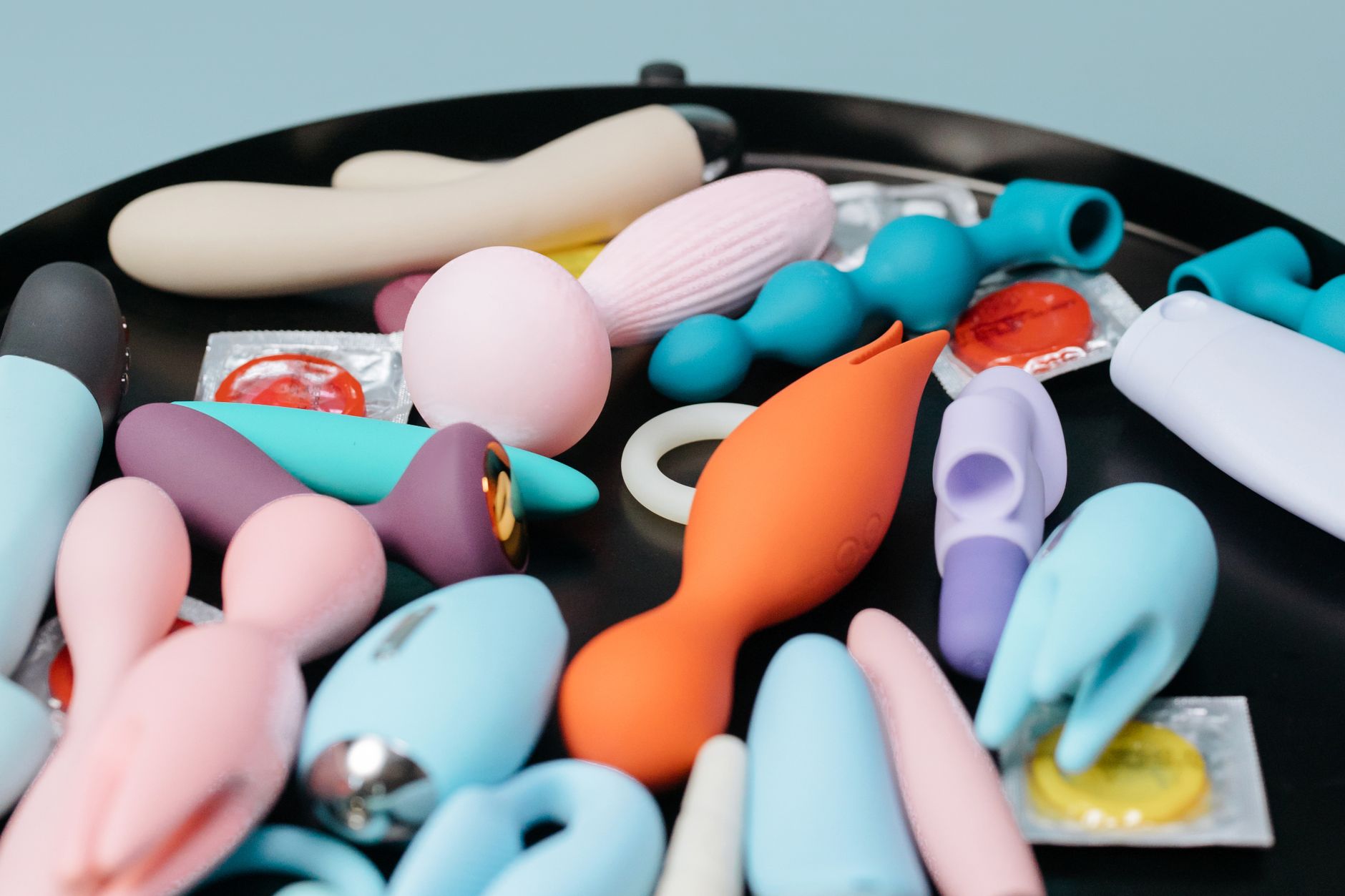
Photo by cottonbro studio on Pexels
When sensation feels muted: troubleshooting
If you're on the lower-sensitivity side post-menopause, here's what helps.
First, check that you're not using the toy on too low an intensity. Counterintuitive, but sometimes when sensation feels muted, people assume they need to go lower. Actually, they need a more noticeable intensity to create contrast. Try jumping to pattern 4 or 5 and see if that helps you feel something. Then dial back to a sustainable level.
Second, ask whether you're in your head. Menopause brings a lot of life transitions. Grief about aging, relationship shifts, career stress. All of that lives in your body during sex. If your mind is somewhere else, your clitoris won't respond the same way. This isn't a physical problem with your toy. It's a focus problem. Solo sessions where you're curious rather than goal-oriented often help here.
Third, consider whether a topical estrogen cream might help. Genitourinary syndrome of menopause (GSM) is treatable. A low-dose vaginal estrogen doesn't require systemic hormone therapy and can transform tissue response in weeks. This is worth discussing with your doctor if sensation feels persistently dull.
When everything feels too sensitive: troubleshooting
If post-menopausal sensitivity is on the higher side and the lemon vibrator or Lem feels almost sharp or irritating, you're working against thin, inflamed tissue.
One: definitely use lube. More than you think you need. This buffers direct contact.
Two: go lower on intensity than your instinct tells you. What feels like nothing might actually be perfect. Give your body time to adjust to the sensation before assuming it's not enough.
Three: use the toy less frequently at first. If your tissue is already irritated, daily use might compound that. Space sessions out to every other day or every three days and let your body recover. Tissue rebuilds.
Four: talk to a doctor if pain accompanies stimulation. There's a difference between sensitivity (things feel more intense) and pain (something feels wrong). Pain is a sign to get professional input.
Sex with a partner after menopause with a lemon vibrator
If you're using the Lem or another lemon clitoral vibrator with a partner, the same adjustments apply, but communication gets more important. Your partner needs to understand that lower intensity isn't a rejection of effort. It's your body's actual preference now.
Read about how lemon vibrators feel different with a partner versus alone for deeper exploration of this, but the core idea: slow down, ask what feels good, and don't assume that what used to work still works the same way.
The bigger picture
Post-menopause with a lemon sucker or lemon sexual toy is not a diminished version of pre-menopausal pleasure. It's different. Some of my clients report that the longer build, the reduced pressure to perform, and the ability to stay present creates the best orgasms of their lives. Others find it requires more intentionality. Both are completely valid experiences.
Your body deserves touch that feels good right now, not yesterday. The Lem and other lemon clitoral vibrators are specifically designed to work with tissues as they actually are. Use them that way.
FAQ: Lemon vibrators and post-menopause pleasure
What if my lemon vibrator used to feel amazing and now feels uncomfortable?
Start with lube and lower intensity. Then give yourself a few sessions to adjust. Sometimes discomfort is a signal that you need to change your approach. Sometimes it takes your nervous system time to recognize new sensations as pleasurable rather than odd. If discomfort persists after a week of adjusted use and lubrication, it might be worth checking in with a doctor to rule out irritation or infection.
Can menopause affect the way suction toys work compared to regular vibrators?
Yes. Suction toys like the Lem rely on tissue elasticity to create the seal that makes them work. After menopause, tissue is less elastic, so you might notice the sensation is different. This isn't bad. It's often better. The reduced elasticity actually means suction stimulation feels more focused and less diffuse. Some users find this more intense. Some find it gentler.
Should I switch to a different toy after menopause?
Not necessarily. A lemon clitoral vibrator is actually a great choice post-menopause because of how it works. But if you're having ongoing trouble, trying a different intensity or style might help. Some people switch from a suction toy to a gentler vibrator post-menopause. Some do the opposite. There's no universal answer. Experiment and notice what your body actually prefers, not what you think it should prefer.
Is it normal for my orgasms to feel different after menopause?
Completely normal. Orgasms after menopause often feel more internal or more concentrated in the clitoris rather than radiating outward. Some people describe them as quieter. Some describe them as more intense. All of these variations are normal. Your pelvic floor muscles have changed. Your blood flow patterns are different. Of course the sensation changes.
Can I use my lemon vibrator during menopause transition or only after?
During transition (perimenopause) your hormones are fluctuating, which means your sensitivity might change from day to day or week to week. What feels great one week might feel too intense the next. If this is happening to you, keep your toy adjustments flexible. Have a lower intensity pattern you know works and a higher one ready. Pay attention to where you are in your cycle, if you still have one. Sensitivity often changes mid-cycle in perimenopause, just in different ways than before.
Is using a lemon sucker after menopause different from using it before?
Yes, in three ways: the tissue responds faster to suction than to friction post-menopause, so you might notice results quicker. The intensity sweet spot is often lower. And you'll probably want more lubrication. But the basic technique is the same. Apply, create seal, let the rhythm do the work. Your body handles it differently. The toy doesn't change.
Post-menopause pleasure is not a consolation prize. It's a different chapter of the same story. Your lemon vibrator or Lem is designed to work with your body as it is, not as you wish it were. Use it that way, with lube, with patience, and with genuine curiosity about what feels good right now. That's where the real pleasure lives.