The avoidance trap
Let's be real. You've tried to bring up sex with your partner, and every time, they shut down. They change the subject. They make a joke. They suddenly remember something they need to do. You're left sitting with the conversation you wanted to have and the silence you actually got.
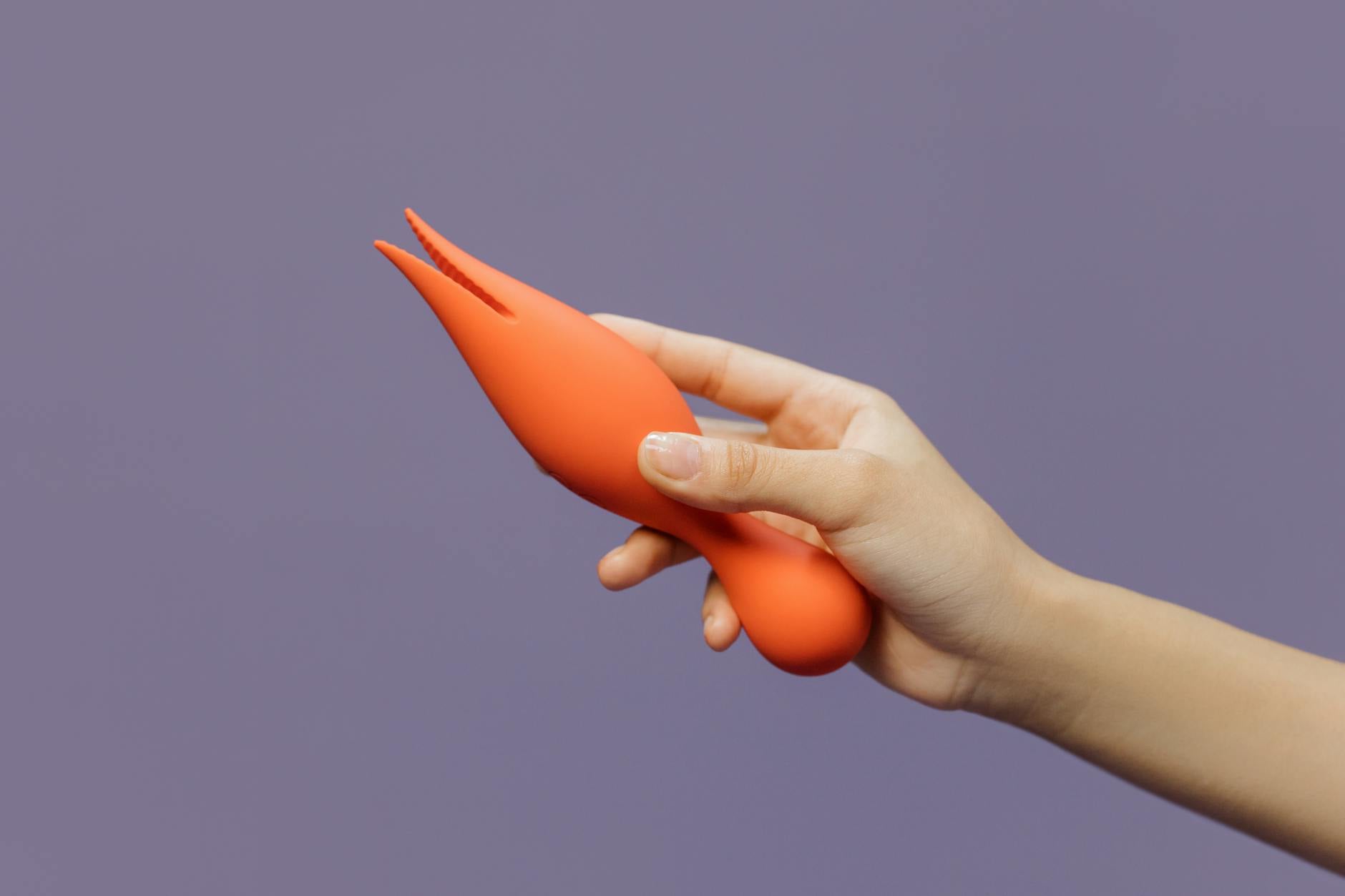
This happens to more couples than you'd think. And here's the thing nobody tells you: a lemon vibrator isn't just a toy. It's a permission slip. It's a way to introduce pleasure into your physical connection without forcing a speech nobody's ready to hear.
Why partners avoid talking about sex
It's almost never about the sex itself. People avoid intimacy conversations for three main reasons. First, shame. They grew up being told their body or their desires were wrong, and talking about it now feels like admitting something broken about themselves. Second, fear of judgment. What if they ask for something and you think they're weird? What if they say no to something you want and hurt you? Third, learned helplessness. Previous conversations went badly, so they've decided talking won't help, so why try.
A lemon vibrator sidesteps all of that. It doesn't require a conversation to exist. It just exists. And once it's in your bed, the conversation often happens naturally.
Starting small with your partner
Don't lead with "We need to talk about our sex life." That's the conversation ender. Instead, introduce a lemon clitoral vibrator as something you're exploring for yourself, not something you need from them.
Try this: "I got something I'm curious about. I'd like to try it with you here, but no pressure." You're offering inclusion without demand. You're saying your pleasure matters, and you're inviting them in. Those two things together often crack open the avoidance.
If they say no, that's information. It tells you something about their comfort level or their fears. It's still better than the silence you had before.
The physical bridge
Once a lemon vibrator is present in an intimate moment, something shifts. You're not talking about desire anymore. You're experiencing it. Your partner watches your face change. They feel the difference in your body. They notice what actually happens when you're aroused and present.
Many partners who avoid intimacy conversations are actually deeply disconnected from their own pleasure. They don't know what good feels like, so they can't imagine asking for it. Watching you use a lemon vibrator, seeing how your breath changes, noticing that your pleasure is real and worth having. That teaches them something no conversation could.
For you, it also removes performance pressure. You're not trying to orgasm for their benefit. You're using a tool that works. This often makes orgasm easier, which your partner witnesses. That's powerful information for someone who thinks they can't be enough.
When to introduce it
Don't ambush them. Don't pull it out during a moment of tension or disconnection and expect it to fix things. Instead, bring it into a moment when you're already physically close and relatively safe. After a massage. During foreplay. In a quiet Sunday morning moment.
The key is this: your partner shouldn't find out you own a lemon vibrator from discovering it under the bed. They should find out from you, on your terms, with you present and owning it completely.
Say something like, "I want to show you something I've been using." Not hiding. Not apologizing. Showing. That confidence alone changes how they receive it.
What actually happens next
Sometimes your partner will watch. Sometimes they'll touch it. Sometimes they'll ask to try it on you. Sometimes they'll ask what else you've been thinking about. The specific thing that happens matters less than the fact that it breaks the silence.
Once the silence is broken, conversations become easier. Not necessarily immediately easy. But the dam is cracked. You've proven that talking about pleasure doesn't end the relationship. It expands it.
Many couples who start here eventually graduate to bigger conversations. "Do you want me to use this on you?" becomes "What do you actually want in bed?" becomes "What have you been too afraid to ask for?" A lemon clitoral vibrator doesn't answer those questions. But it makes asking them feel possible.
The parallel universe option
Some partners will never be ready to watch or participate. And that's worth naming directly. If that's your situation, a lemon vibrator becomes something different. It becomes your private reclamation of your own pleasure. You use it alone. You feel good. You stop waiting for permission to want things.
That shift is also powerful. Partners often notice when someone stops waiting and starts owning their own body. It makes intimacy feel different because the dynamic has changed. You're not begging anymore. You're inviting.
Beyond the toy
Here's what I tell couples in my practice: the lemon vibrator isn't the solution. The solution is permission. Permission to want things. Permission to say them. Permission to build pleasure into your relationship on purpose, not by accident.
The toy just makes that permission feel tangible and less scary. It gives you something concrete to point at. "This isn't about you being enough or not enough. This is about both of us being here, really here, together."
That's the conversation you're actually trying to have.
FAQ
Will introducing a vibrator make my partner feel inadequate?
Not if you frame it right. The difference between "You're not enough, so I need this" and "I want more pleasure in our life together, and I'd like you to be part of that" is literally everything. The second one invites. The first one attacks. A lemon clitoral vibrator is an invitation, not a criticism.
What if my partner thinks I'm cheating because I bought a toy?
That's a much bigger conversation than this one, and honestly, it points to a trust issue that a vibrator won't fix. But what it might do is create space for that trust conversation to happen. Sometimes the toy opens the door to the real thing you need to talk about.
Can I use a lemon vibrator during sex with my partner?
Yes, absolutely. You can use a lemon vibrator during partner intercourse if that feels natural to you both. Some partners find it way less threatening when it's integrated into what you're already doing together.
How do I bring this up without making it weird?
You make it less weird by not treating it like it's weird. You treat it like you treat any other thing you're exploring. "I got this. It feels good. Want to be here while I try it?" No apologies. No shame. No explaining why you "need" it. You own it, and most partners will follow your lead on what vibe to have about it.
What if they say no and seem upset?
Then you have a conversation about why. Don't defend the vibrator. Defend your right to explore your own pleasure. "This is mine. I'm not asking you to use it. I'm inviting you to be close while I do. If that bothers you, I want to understand why." That's a real conversation, and it might be the intimacy breakthrough you both need.
How often should I use a lemon vibrator if I want my partner to eventually be comfortable with it?
Normally. Use it as much as you want to. Your partner gets more comfortable with things when they see you're comfortable with them. If you treat it like a secret or something shameful, they will too. If you treat it like a normal part of your pleasure, they'll eventually see it that way.
The opening you've been waiting for
Your partner's avoidance of intimacy conversations isn't really about them being unable to talk. It's about them being afraid. A lemon vibrator doesn't remove the fear, but it does make the fear feel smaller. It puts pleasure into the room so concretely that silence becomes harder to maintain.
Start there. Not with the conversation. With the presence. With the permission. With the tool that says: my pleasure matters, and I'm not waiting to own that anymore.
Your partner might surprise you.