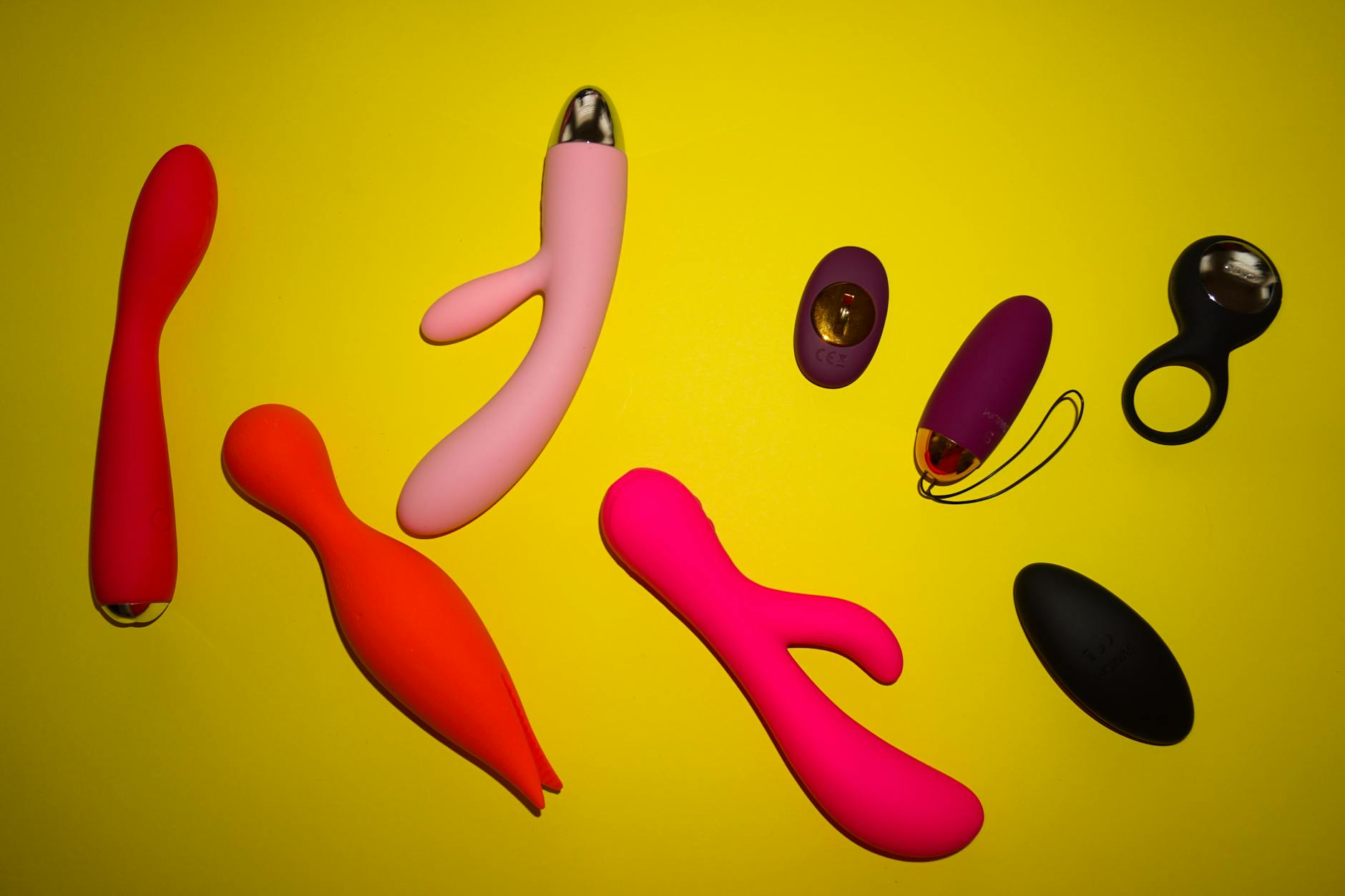
When everything changes, your pleasure doesn't have to
You've ended one relationship and started another. The sex was fine in the old one, maybe even good. But now you're in someone else's bed, their rhythm is different, their touch lands differently, and suddenly you're not sure what your body actually wants anymore. That disconnect is real, and it's not a sign that anything's wrong with you or the new connection.
Transitioning between partners rewires your nervous system. You're learning a new body, a new pace, new hands. Your pleasure response doesn't flip a switch just because the person changed. A lemon vibrator becomes less about "extra stimulation" and more about reclaiming the one thing that didn't change: you.
Why the transition matters more than you think
When you've been intimate with someone for months or years, your body learns their patterns. Your arousal syncs to their rhythm. You know what they like, what makes them responsive, and you've probably calibrated your pleasure around that dynamic without even realizing it. Then it ends, and you're back at zero.
With a new partner, that's actually an opportunity disguised as discomfort. Your body doesn't remember this person. Your nervous system isn't wired to their touch yet. This means you get to consciously choose what you want rather than defaulting to old patterns. A lemon sucker gives you a reference point. It's your baseline. It reminds you what turns you on when everything else is unfamiliar.
Many people skip this step because they assume they should be able to "just relax" into sex with someone new. That's the narrative we're sold. Reality is messier. Your body takes time to trust. Your brain takes time to quiet down. A clitoral vibrator isn't a workaround for that. It's a tool that lets you move through it on your own terms.
Solo exploration before partnered use
Let's start with the obvious but often skipped part: using your lemon vibrator alone first.
Before introducing it into partnered sex, spend at least a week using it solo. Thirty minutes, maybe three times a week. Not to rush to an orgasm, but to remember what your body feels like when you're completely in charge. No one watching, no one's rhythm to match, no performance anxiety. Start at a lower setting and move through the patterns slowly. Notice what feels good. Notice what feels sensitive. Notice the difference between what sounds good in theory and what actually works for you right now.
This matters because when you show up with a new partner knowing exactly what you like, the conversation shifts. Instead of "I'm not sure if I can come," it becomes "Here's what helps me." That's a wildly different energy.
The conversation before you bring it into the bedroom
Let's say you've used your lemon vibrator solo and you're ready to introduce it with your partner. The conversation shouldn't happen mid-foreplay. It should happen while you're both clothed, preferably earlier in the day, definitely not after a drink.
Something like: "Hey, I want to try something that helps me feel more confident. I use a clitoral vibrator when we're together. It's not about you or what you're doing. It's actually about me getting out of my own head." Full stop. Let them respond.
If they push back with "Isn't that weird?" or "Don't you need me?" you've learned something useful about how they think about your pleasure. Those are conversations worth having, but not in the moment. That's for another day, another chat.
The good ones will say something like "Sure, show me what helps you." Lock that one down.
Three ways to use it with a new partner
Solo during partnered sex. You're having sex with your partner, and at some point during penetration (or any kind of sex), you reach for your lemon vibrator. You use it on your clitoris while they're inside you or while you're touching them. This takes pressure off them to be your only source of stimulation and lets you layer sensations. Many people find this is the easiest entry point because nothing about the dynamic changes except you've added a tool.
They hold it. Once you're comfortable with it, your partner can hold your lemon vibrator while you're together. This can feel more intimate because it's collaborative, though it does require trust and communication. If you go this route, be specific about pressure and angle. "Lighter touch" or "hold it still while I move" are the kinds of directions that actually help.
During oral or manual sex. Your partner is touching you manually or orally, and you add your lemon clitoral vibrator into the mix. This creates really interesting sensations because you're combining different types of stimulation. Start with your vibrator on a lower pattern so you're not overwhelming yourself.
Managing the nerves
You might feel self-conscious the first time. That's normal. You might worry that your partner will feel inadequate or think you don't want them. That's also normal, and it's worth saying out loud: "I'm a little nervous about this, but I want to try it."
Nerves don't mean don't do it. Nerves mean you're trying something new, which is exactly what this transition calls for. The people worth being with won't shame you for knowing what you like.
If your partner seems uncomfortable, that's information too. It doesn't mean you stop. It means you have a conversation about what's underneath that discomfort. Sometimes it's insecurity, which is fixable. Sometimes it's a legitimate mismatch in how you both think about pleasure, which is worth understanding early.
Timing and setting make a real difference
Don't introduce your lemon vibrator on a night when you're already feeling disconnected or when there's tension in the relationship. Pick a time when you're both relaxed and the sex feels good already. The vibrator amplifies what's already working, not rescue a situation that's struggling.
Also, make sure you have battery charge and your toy is clean. Nothing kills momentum like fumbling with dead batteries or realizing you forgot to wash it. These practical details matter because they let you stay present instead of getting yanked out of the moment by logistics.
Setting matters too. If you're in a new apartment together or still figuring out logistics, that's fine. But if you're super uncomfortable or the space feels rushed, wait. There's no deadline for this.
When it takes time and that's totally okay
You might use your lemon vibrator solo for two months before you feel ready to introduce it to your partner. Or you might try it once, feel weird, and not try again for a year. Both are fine. Pleasure isn't a linear process, and transitioning between partners adds a whole other layer of complexity to that.
What matters is that you're giving yourself permission to explore on your terms. A new relationship is a chance to build something intentional instead of something that just happened by default. Your lemon clitoral vibrator is one tool that lets you do that.
Your pleasure matters in this new relationship. Full stop. Not just someday when you're more settled. Now.
Red flags and when to pause
If your new partner refuses to discuss it or makes you feel ashamed for wanting to use a vibrator, pause. That's information about how they view your autonomy. If they're controlling about it or want to use it in ways that don't feel good to you, pause. If you're using it to avoid intimacy rather than deepen it, pause.
A lemon vibrator is supposed to feel like an addition to pleasure, not a band-aid over a communication problem or a relationship issue. If it's starting to feel like the latter, that's worth exploring with your partner directly or with a therapist.
Rebuilding trust in your own body
Transitioning between partners is also about rebuilding trust in your own sexuality. After an old relationship ends, sometimes you're angry at your body for how it responded or didn't respond. You might be skeptical that pleasure is even possible with someone new. A lemon vibrator reminds you that yes, your body still works. Yes, you can still feel good. Yes, you can still orgasm. That's not nothing.
Use it as a reset button. A way to say to yourself: "I know what I like. I'm bringing that into this new relationship." That's powerful.
FAQ: Lemon vibrators and new relationships
How long should I wait before introducing a vibrator to a new partner? There's no magic timeline, but most people feel comfortable after a few weeks of sex together. You want to have enough trust that the conversation isn't shocking, but early enough that it feels natural rather than like you're hiding something.
What if my new partner thinks a vibrator means they're not enough? That's insecurity on their part, not a reflection of reality. You can say directly: "This isn't about you. This is about me understanding my own body in this new dynamic." If they can't move past that, you've learned something important about compatibility.
Can I use my lemon vibrator if we're in the early stages and things are still casual? Absolutely. Casual doesn't mean you should ignore your pleasure. If anything, casual is a great time to get clear on what you like before things get serious.
Should I bring my vibrator to their place or keep it at mine? Whatever feels most comfortable. If you're regularly staying over, keeping it at their place saves you from remembering it. If you're still in the early dating phase, keeping it at home makes sense. There's no "right" answer here.
What if I want to use it but I'm nervous about how I'll look? You'll look like someone who knows what she wants. That's it. If your partner finds that unattractive, you've got a bigger problem than toy logistics.
Can I use other clitoral vibrators besides the Lem? Of course. A lemon clitoral vibrator works well because the suction-based design is gentle on sensitive tissue and doesn't require the same kind of pressure as traditional vibrators, but any vibrator that feels good to you is the right one. Use what works for your body.
Starting fresh means knowing yourself first
A new relationship is a chance to be more intentional about your pleasure. You're not repeating patterns from the last person. You're building something new. That starts with knowing what actually turns you on, and a lemon vibrator is one straightforward way to figure that out.
If you want support navigating the relational side of introducing toys or working through any of the vulnerability that comes with a new partnership, reach out. That's what I'm here for.