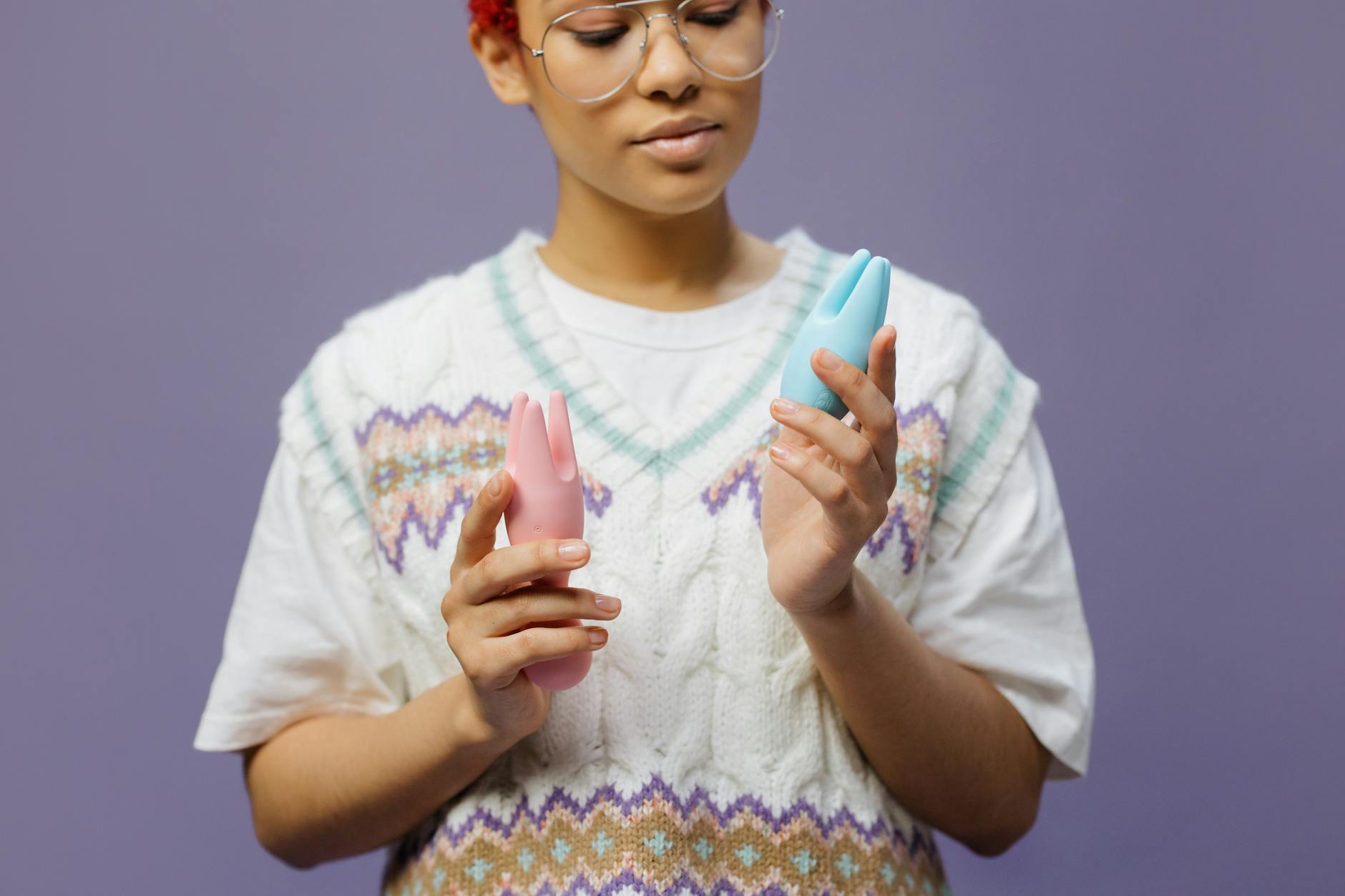
When stress becomes numbness
Here's what happens to your nervous system when you're under chronic stress for months or years. Your body gets locked into fight-or-flight mode. Cortisol stays elevated. Your parasympathetic nervous system, the one responsible for rest, digestion, and yes, arousal, basically goes offline. And when that system shuts down, pleasure becomes nearly impossible to feel. You might touch yourself or have a partner touch you and feel almost nothing. It's not that you don't want to feel something. It's that the neural pathways for sensation have basically been muted.
This isn't laziness or low desire masquerading as numbness. It's a physiological response to prolonged stress. Your body has decided survival is the priority, and pleasure is a luxury it can't afford right now.
How stress numbs sensation at the cellular level
When you're chronically stressed, blood flow redirects away from your extremities and genitals toward your core organs and muscles, preparing you to fight or flee. Your clitoris literally gets less blood flow. At the same time, chronic cortisol elevation dampens dopamine production, which is essential for motivation, pleasure, and arousal. Your nerve endings become less responsive. Touch that used to spark something now feels muted or distant.
The good news is this is reversible. Your nervous system has plasticity. It can retrain itself. But retraining requires input. It requires consistent, pleasurable sensation that tells your body it's safe to feel again.
Why a lemon vibrator works better than hands alone
A lemon clitoral vibrator like the Lem offers something your hands cannot: precision, consistency, and intensity that you can control in tiny increments. When sensation is numb, regular touch often isn't enough stimulus to cross the threshold and actually register in your nervous system. A vibrator does.
The air-suction technology of lemon vibrators is especially useful here because it stimulates nerves without direct friction. You're not rubbing. You're creating gentle waves of pressure that activate a broader area of nerve endings at once. For someone whose sensation is muted, this often works faster than traditional vibration alone.
There's also a psychological piece. Using a device signals to your mind that you're taking this seriously. This isn't just a casual check-in with your body. This is deliberate pleasure rehabilitation.
Building a stress recovery ritual that actually works
The setup matters. You need to create conditions where your parasympathetic nervous system feels safe enough to activate.
Start by choosing a time when you're not rushing. Not before bed if you're still mentally processing the day. Not in the morning when cortisol is naturally highest. Aim for early evening or a weekend afternoon when you have at least 30 uninterrupted minutes.
Create a physical space that feels separate from stress. If work happens in your bedroom, this matters even more. Light a candle. Put your phone in another room. Tell whoever lives with you that you need privacy. Your body needs to believe the threat has passed before it will allow pleasure.
Start with lower intensity patterns on your lemon vibrator. Pattern 1 or 2. Spend 5-10 minutes just exploring sensation without expecting anything to happen. This isn't a performance. You're teaching your nervous system that stimulation equals safety, not another obligation.
The patience piece that nobody talks about
Rebuilding sensation after chronic stress takes time. You might not have an orgasm for weeks. That's normal. That's actually good. If you go in expecting an orgasm, you'll get frustrated, your nervous system will register frustration as stress, and you'll shut down further. Instead, reframe this as nervous system rehabilitation.
Some people report that after weeks of consistent use, they start feeling tingling they'd forgotten existed. Then warmth. Then a building sensation that's almost but not quite arousal. That's progress. That's your nervous system relearning the pathway to pleasure.
If you're working through stress and numbness alongside a partner, this is worth mentioning. Not as "I'm broken" but as "I'm working on this, and it takes time." Many partners find it helpful to know what's actually happening rather than interpreting numbness as lack of interest.
When to combine a vibrator with other nervous system support
A lemon clitoral vibrator is one tool, but sensation recovery often works faster when combined with other parasympathetic activation. Deep breathing during your sessions helps. Literally pausing to take five slow breaths before you start signals safety to your nervous system.
Movement throughout your day matters too. Stress gets stored in your body. Your psoas muscle, your shoulders, your jaw. If all that tension is locked up, pleasure signals have a harder time getting through. Gentle yoga, walking, even stretching can help unlock that tension so sensation has space to return.
If you're also dealing with anxiety or depression as part of your stress response, those often need additional support. Therapy, medication, or both might be part of your full picture. A lemon vibrator isn't a replacement for mental health support. It's a complement to it.
The progression from sensation to arousal
Once you start feeling baseline sensation again, you can gradually increase intensity. Move from pattern 2 to pattern 3. Spend a bit more time. Let arousal build in its own time. This is where the real pleasure recovery happens. You're not forcing. You're allowing.
Some people find that as sensation returns, fantasies or thoughts they thought were gone suddenly reappear. That's your brain recognizing that pleasure is possible again. Let that unfold. You're not reinventing yourself. You're reclaiming something stress temporarily took offline.
After weeks of consistent practice, many people report that sensation returns not just during intentional sessions with a lemon vibrator, but in everyday moments. Touch from a partner feels different. Your own body feels inhabited again rather than numb or distant.
Troubleshooting: when numbness persists
If you're practicing consistently for 4-6 weeks and sensation still hasn't returned at all, that's worth checking in with a healthcare provider about. Sometimes numbness signals something beyond stress. Hormonal changes, medication side effects, or underlying nerve issues can all look like stress-induced numbness from the outside.
It's also worth examining whether your stress level has actually dropped. You can't rewire your nervous system for pleasure while you're still in crisis mode. If work, relationships, or other life factors are still at DefCon 1, your body will stay locked in that state no matter what vibrator you use. The vibrator can't override survival mode.
The long game of staying connected
Once sensation comes back, it doesn't automatically stay. Chronic stress can return. Life can get overwhelming again. The most successful people I work with treat pleasure maintenance like they treat physical fitness. It's not a destination. It's a practice. Using your lemon clitoral vibrator isn't just something you do during crisis recovery. It's something you continue as part of staying connected to your own body.
This is radical. In a world that tells you pleasure is either something you naturally have or you don't, the truth is you can rebuild it. Your nervous system is trainable. Your body wants to feel good. You just have to create the conditions and be patient enough to let sensation return on its own timeline.
FAQ
How long does it typically take to feel sensation again after chronic stress?
Every person is different, but most people report noticing small shifts in sensation within 2-3 weeks of consistent practice with a lemon vibrator. More significant arousal returns typically take 6-8 weeks. The key is consistency and zero pressure around outcomes. If you approach this as rehabilitation rather than performance, your timeline usually shortens.
Can I use my lemon vibrator while I'm still in a high-stress situation?
Yes, but be honest with yourself about what's happening. If you're still in crisis mode, a vibrator might help calm your nervous system in the moment, but sustained sensation recovery usually requires your stress level to drop first. Think of it as harm reduction rather than cure. The real recovery happens when your external stress decreases.
Does numbness from stress feel different than numbness from other causes?
Stress-induced numbness usually comes with other signs: you're irritable, exhausted, your sleep is disrupted, you're not hungry or you're stress eating. You feel disconnected from your body overall, not just in your genitals. If the numbness is localized only to your genitals and you don't have other stress symptoms, that's worth investigating with a provider.
Should I tell my partner I'm using a vibrator to recover sensation?
That depends on your relationship and your comfort level. If you're partnered and you think you might want partner involvement eventually, transparency helps. You could frame it as "I'm working on reconnecting with my body after stress. I'm using a vibrator to help, and I might want to explore together later." Many partners find it reassuring to know you're actively addressing something rather than withdrawing.
Can I combine using a lemon clitoral vibrator with therapy or medication?
Absolutely. In fact, you should. If you're in therapy for stress or trauma, mention that you're using pleasure practices to rebuild nervous system resilience. If you're on medication, it won't interfere with vibrator use. Some medications can numb sensation, which is a separate conversation with your provider, but using a vibrator alongside medication is fine.
What if I feel guilty using a vibrator while I'm supposed to be stressed or busy?
That guilt is the stress talking. Your nervous system needs parasympathetic activation to recover. Using a lemon vibrator is legitimate nervous system medicine. You're not being selfish or irresponsible. You're maintaining your capacity to feel, connect, and function. The people around you will benefit from you being more present and regulated, which happens when you're connected to pleasure. Give yourself permission.