Let's start with the honest part
Antidepressants work. SSRIs, SNRIs, tricyclics, atypicals.they genuinely help with depression, anxiety, OCD, panic disorder. The problem is they also flatten arousal, delay orgasm, or kill it entirely. That's not a side effect you're supposed to just accept. It's a real barrier to pleasure that responds to real strategies.
Here's what I tell people in my therapy practice: your medication is not your enemy. But rebuilding pleasure after sexual side effects requires patience, the right tools, and honest communication about what's actually happening.
How antidepressants change sexual response
SSRIs (sertraline, paroxetine, fluoxetine) and SNRIs (venlafaxine, duloxetine) work by increasing serotonin availability in the brain. The brain regions that regulate mood and anxiety are the same ones that regulate arousal and orgasm. More serotonin can mean steadier mood and also slower, more difficult orgasms.
The delay is real. Instead of orgasm arriving in 5-10 minutes of stimulation, it might take 30 minutes, an hour, or not arrive at all. Some people describe it as feeling like pleasure is behind a pane of glass. You can see it, sense it, but getting there feels dampened.
This affects people with vulvas and people with penises differently. People on SSRIs often report delayed or absent orgasm rather than loss of erection, which means they're still aroused but struggling to finish.
Why a lemon vibrator works better than you think
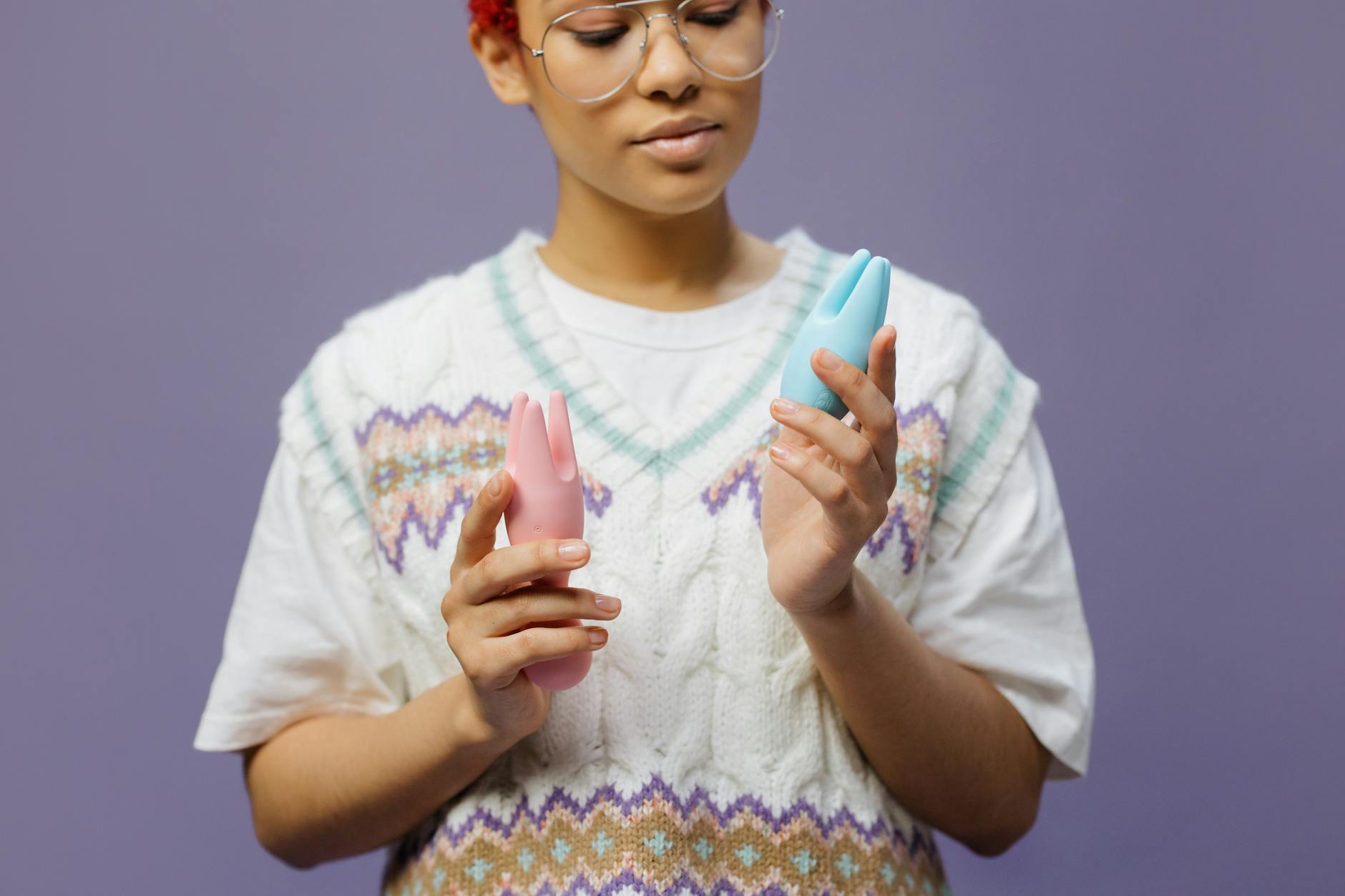
Clitoral vibrators like the Lem work for antidepressant-related delay because they're designed for sustained, focused stimulation without requiring your body to do the work.
Here's the technical part: orgasm happens through two mechanisms. Direct stimulation (your hand, your partner) requires your nervous system to build sensation progressively. Suction-based stimulation from tools like the Lem engages the clitoral glans and surrounding tissue differently. It creates a rhythm that works independently of how quickly your serotonin is moving through your system.
Translation: you're not trying harder or waiting for your brain to catch up. The lemon vibrator is doing the consistent work while your body decides when to respond.
The baseline restart protocol
If you've been on antidepressants for months or years without orgasm, your sexual confidence has probably taken a hit. Your nervous system is also out of practice. Here's how to restart safely.
Week 1-2: Solo exploration with low expectations. Set aside 20-30 minutes. No pressure to orgasm. Use the Lem on the lowest setting (1-2). Focus on sensation. Notice where the vibration feels good, where it feels neutral, where it feels too much. This is data gathering, not performance.
Week 3-4: Find your frequency. Once you know where the Lem feels right, test patterns. Most people on antidepressants respond better to consistent rhythm than to variable patterns. Settings 3-5 often work better than the intense, variable ones. The goal is gentle persistence, not fireworks.
Week 5+: Permission to extend your timeline. If orgasm takes 45 minutes instead of 10, that's not a problem. That's your actual current response. Accept it. Don't turn it into a performance metric.
What to tell your doctor (and when to ask about switching)
Sexual side effects from SSRIs are dose-dependent. Lower doses mean fewer sexual problems. If you're on a high dose and sexual function matters to you, ask about dose reduction after you've been stable for a few months.
Some medications cause fewer sexual side effects. Bupropion (Wellbutrin), for example, actually increases dopamine and sometimes improves arousal. Tricyclic antidepressants like nortriptyline have lower rates of sexual dysfunction. Mirtazapine (Remeron) is weight-neutral and has fewer sexual side effects.
But here's the thing: switching is only worth it if you're stable on your current medication. If your depression or anxiety is controlled, the cost of trying a different drug might outweigh the benefit. This is a conversation between you and your doctor, not a reason to stop what's working.
Using the Lem with a partner during recovery
If you're with a partner, the recovery process changes slightly. Shame and performance pressure are major orgasm killers when you're already dealing with medication-related delay.
One approach: use the Lem solo first until you feel confident about your response. Then introduce it with your partner present. Let them watch without expectation. Then let them hold it. The progression moves from "I need to prove this works" to "we're exploring this together."
Many people find that having a partner use the Lem while they receive touch elsewhere (kissing, internal stimulation) creates enough sensory input that orgasm arrives faster. The brain gets multiple signals at once instead of waiting for one stimulus to do all the work.
If you're in a long-term relationship, this is also a chance to rebuild intimacy that isn't centered on intercourse or orgasm performance. Sex can be exploration, connection, and pleasure without orgasm being the finish line.
When medication timing matters
Antidepressants work differently depending on when you take them. SSRIs peak in your system at different times based on the individual drug and your metabolism.
Some people find that sexual response is slightly better at certain times of day. If you take your medication in the morning, afternoon or evening might have a slightly lower concentration in your bloodstream. This won't transform your sexual function, but it might make the difference between very difficult and somewhat difficult.
Talk to your prescriber about timing, but don't become obsessed with it. The real work is rebuilding confidence in your body, not chasing a perfect pharmaceutical window.
The six-month realistic timeline
Recovering from antidepressant sexual side effects is not a quick process. Pleasure pathways in your brain have been quiet. Your confidence has probably taken a hit. Your partner (if you have one) might also be dealing with their own frustration.
Realistic expectation: 6 months of consistent, pressure-free exploration with tools like the Lem before you feel something approaching your baseline. Some people get there faster. Some take longer. Both are normal.
The lemon vibrator and other clitoral vibrators aren't a magic fix. They're a tool that works with your body's current response rather than fighting it. They're designed for sustained stimulation that doesn't depend on spontaneous arousal or quick response time.
Your medication did the right thing. Rebuilding pleasure is the next right thing. Give yourself permission to do it slowly.
FAQ: Rebuilding pleasure after antidepressants
Can I use a lemon vibrator if I haven't had an orgasm in over a year?
Yes. Actually, this is exactly when the Lem works best. Your nervous system has been quiet for a long time, so you're starting from a gentler baseline. The consistent, focused stimulation from a clitoral vibrator like the Lem bypasses the need for spontaneous arousal and creates predictable sensation. Use the lowest settings and extend your timeline to 30-45 minutes. Orgasm might not come the first time. That's completely normal and not a failure.
Should I try changing my medication before trying a vibrator?
Not necessarily. Switching medications is a bigger decision than adding a tool for pleasure. If your current medication is controlling your depression or anxiety well, the stability matters more than your orgasm right now. Talk to your doctor about whether a lower dose or different medication makes sense, but don't do it solely to fix sexual function. Start with tools like the Lem while you stay stable, then revisit medication changes if needed.
How long before I can feel normal again sexually?
Normal is a bad target. You're not going back to your baseline before medication. You're building a new baseline that includes both mental health stability and pleasure. For most people, that takes 3-6 months of consistent, pressure-free exploration. Some people feel shifts in 6-8 weeks. Some take longer. The timeline matters less than the consistency.
Can I use a lemon vibrator during intercourse if I'm on antidepressants?
Absolutely. Many people use clitoral vibrators during partnered intercourse because it creates multiple sensation input at once. Your partner can be inside you while you use the Lem on yourself or they use it for you. This often shortens the time to orgasm because your nervous system is getting stimulation from multiple sources. Start with lower intensity settings and find a rhythm that works for both of you.
What if the lemon vibrator doesn't help?
If you've used the Lem or other quality clitoral vibrators consistently for 8-12 weeks with no change, talk to your doctor. Sexual side effects from SSRIs sometimes require medical intervention. Options include dose reduction, switching medications, adding another medication to counteract sexual side effects (like bupropion), or timing intercourse strategically around when medication levels are lower. There are solutions, but they require professional input.
Is it normal to feel guilty about needing a vibrator to have an orgasm on antidepressants?
Completely normal and also completely unnecessary. Your medication is doing necessary work for your mental health. A clitoral vibrator like the Lem is a tool that works with your current physiology. Using one isn't a failure or a sign you're broken. It's practical adaptation. Plenty of people use vibrators regardless of medication. You're just being honest about what your body needs right now.
The real recovery
Antidepressants are sometimes non-negotiable. Your mental health depends on them. But your pleasure doesn't have to be the cost of that stability.
Recovering sexual response after medication side effects is slower than you want it to be and easier than you think once you stop treating it like a performance test. A lemon vibrator like the Lem is designed for exactly this: sustained, consistent stimulation that works independently of how quickly your brain is moving serotonin around.
If you're struggling with the intersection of medication, depression, and intimacy, it might also help to talk to a therapist who specializes in couples work or sexual health. The physical tools matter. The emotional permission to rebuild slowly matters more.
Your pleasure is worth the investment of time. Start small. Be patient. Trust the process.