Let's start with the hard truth
Infidelity doesn't kill desire. It kills safety. And without safety, desire can't show up, even when both of you want it to. The couple sitting in my office weeks after infidelity has been discovered aren't looking for fireworks. They're looking for permission to feel okay again, together. A lemon vibrator becomes part of that permission structure, not because it fixes what's broken, but because it reframes pleasure as something you're building together, not defending separately.
Here's what I've learned from working with couples through this: the pathway back to physical intimacy after infidelity isn't through intensity or performance. It's through presence. And sometimes, a tool like a lemon clitoral vibrator can hold that space in a way that talking alone cannot.
Why infidelity breaks the pleasure feedback loop
When trust fractures, the nervous system does too. The person who was betrayed carries hypervigilance into the bedroom. The person who caused the hurt carries shame and fear of rejection. Neither of those states is fertile ground for arousal. Your body remembers betrayal. It says no before your mind finishes processing the question.
What happens next is predictable. One partner reaches for sex to rebuild closeness. The other partner isn't ready. One partner avoids sex entirely, and resentment accumulates. Or both retreat, and the relationship becomes cordial strangers again.
The gap widens because nobody's actually safe enough to say what they need. A lemon vibrator can shift this dynamic. Not because the toy is magical, but because introducing it forces an entirely new conversation.
Reframing pleasure as collaborative, not defensive
One of the most useful phrases I teach couples is this: "We're learning this together." Not "I need to get over it" or "You need to prove yourself." Together. Present tense. Building something new.
When a couple introduces a lemon vibrator into their recovery work, they're saying, out loud, "We're curious about pleasure again. We're willing to try something that neither of us has done before." That shared unfamiliarity is restorative. You're on the same team again, exploring something new, without the weight of old patterns.
This works particularly well because a lemon vibrator, specifically, is about stimulation without penetration. There's no performance pressure. The person using it doesn't have to "work toward" an orgasm on someone else's timeline. And the partner witnessing can be present without needing to deliver anything. You're both just there. Both invested. Both willing.
The practical setup that actually builds trust
I recommend five specific elements when couples are restarting physical intimacy after infidelity.
First, talk before clothes come off. Not during. Before. "I'd like to try using a lemon clitoral vibrator together. What does that feel like for you?" Listen to the answer without defending. If they're hesitant, that's data, not rejection.
Second, choose a time when neither of you is depleted. Recovery intimacy requires emotional bandwidth. Not at midnight after a long day. Not squeezing it in between chores. Protect the time like it matters, because it does.
Third, establish a pause signal. Not a full-stop safe word, but a specific phrase that means "I need a break, and I'm coming back." Something like, "Let's breathe for a minute." This gives you both permission to be imperfect and still stay in the game.
Fourth, start slowly. A lemon vibrator at pattern 1 or 2. Touching without the toy first. Building arousal is slower when trust is healing. That's not a problem. That's the pace.
Fifth, debrief after. Not a postmortem. A gentle check-in. "How was that for you?" "What felt good?" "What do you want to try next time?" These conversations rewire the neural pathways for emotional safety.
What makes a lemon vibrator different in recovery work
There are many clitoral vibrators on the market. A lemon vibrator has a specific advantage in this context. The suction-and-release pattern engages the clitoris without the sustained intensity that can trigger overwhelm or dissociation. You can ease into it. You can move in and out of it. You have control.
For someone whose body has been flooded with cortisol and adrenaline, this gentleness matters. A lemon clitoral vibrator doesn't demand anything. It offers an invitation. You can say yes or no to each sensation as it arrives.
The partner's role (it's not passive)
If you're the one who caused the hurt, your job during recovery intimacy isn't to prove yourself. It's to be genuinely interested in your partner's pleasure, without needing to be the source of it. This is the hardest part. You have to watch your partner experience sensation and pleasure without insecurity creeping in. You have to be genuinely glad they're feeling good, even though the tool in their hand isn't you.
If you're the one rebuilding trust, your job is to tell the truth about what you want. Not what you think they need to hear. Not what you think is generous or forgiving. What you actually want. "I want you to touch my arm while I use this." "I want to be in the dark." "I want to go slowly." The specificity is what rebuilds safety.
When this approach doesn't work (and when to get help)
Some couples won't be ready for physical intimacy for months. That's okay. The timeline isn't linear. If one partner is still in acute betrayal response, a lemon vibrator isn't the move yet. What you need first is a therapist and some real structural work around what happened, why it happened, and whether the relationship can move forward.
Infidelity recovery isn't about getting back to what you had. It's about building something stronger than what was there before, because you've both survived the worst part. A tool like a lemon vibrator is useful when both people are genuinely ready to reconnect, not as a shortcut to that readiness.
The couples I've worked with who've rebuilt intimacy successfully after infidelity all share one thing: they were willing to be awkward. To try something neither of them had done before. To laugh when things didn't go as planned. To show up imperfectly, together.

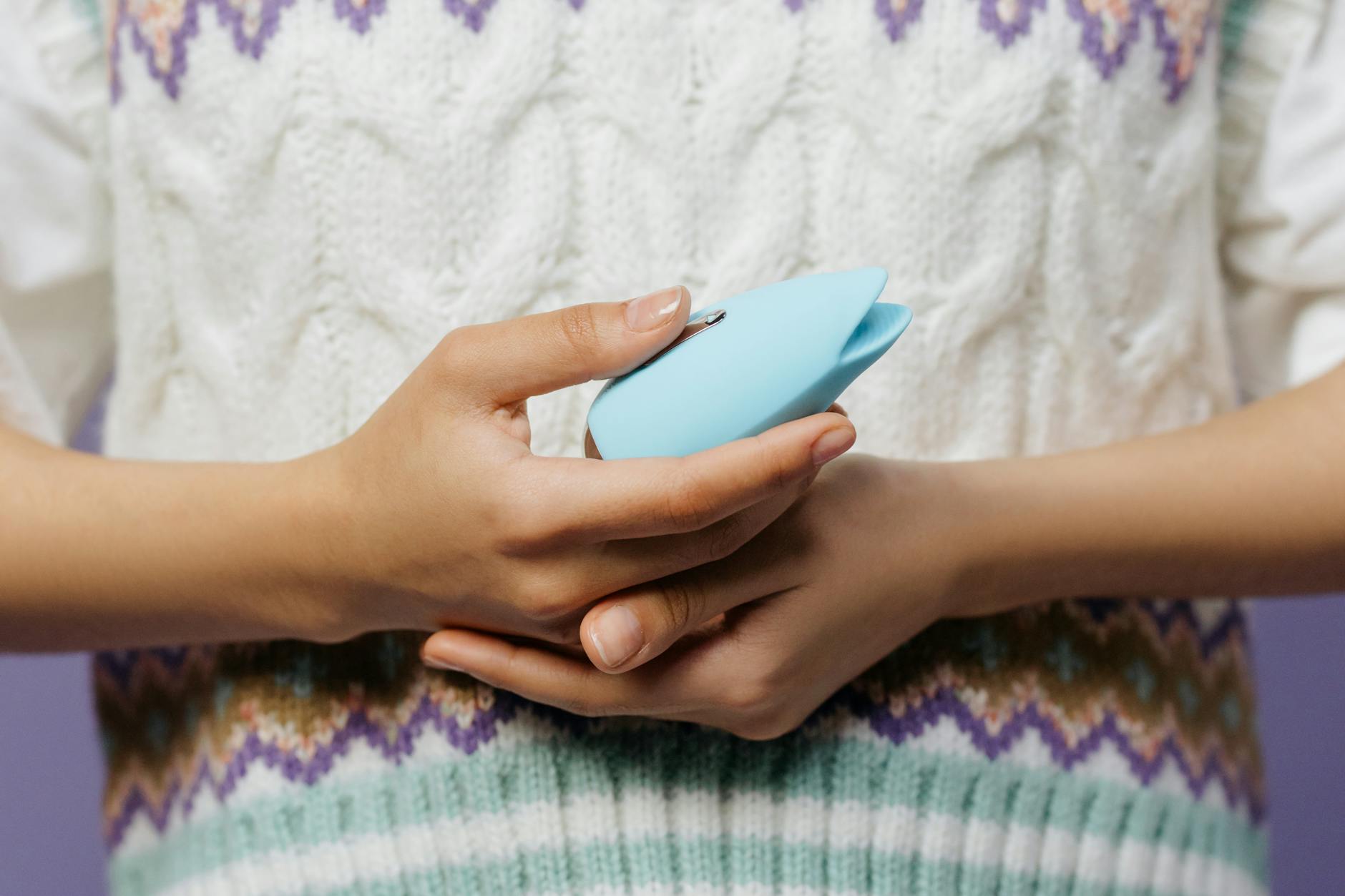
Photo by Madison Inouye on Pexels
The conversation framework that actually works
If you're ready to bring a lemon vibrator into recovery intimacy, here's a script that's worked in my practice:
"I've been reading about how couples rebuild physical connection after infidelity. There's something called a lemon clitoral vibrator that's designed to take pressure off performance. I'm wondering if you'd be interested in trying it together. There's no expectation. We could just explore. What are you thinking?"
That's it. Simple. No overexplaining. You're proposing an experiment, not a commitment. You're creating space for a real answer, not a polite one.
If they're interested, move into the practical conversation. "If we did this, how would you want it set up? What would make you feel safe?" Listen more than you talk. Their answer tells you what's still healing.
FAQ: Common questions couples ask
Will using a toy together help rebuild emotional intimacy?
Not by itself. But it creates a structure where intimacy can happen. You're choosing to be vulnerable together. You're practicing communication about desire. That foundation of psychological safety is what lets emotional closeness grow back. The lemon vibrator is the container. You're doing the work inside it.
How long after infidelity should we wait before trying this?
There's no universal timeline. Generally, I recommend at least 4 to 6 weeks of consistent work on trust rebuilding first. Both of you should have some clarity on whether the relationship is moving forward. If you're still deciding whether to stay, this is premature. If you've committed to the work, this is a useful tool.
What if my partner feels insecure about using a toy?
This is common and valid. The insecurity often masks deeper fears about whether they're "enough." That fear needs addressing directly, through conversation or with a therapist. A lemon vibrator isn't a replacement for them. It's a way of exploring pleasure together. Framing it that way, repeatedly, helps.
What if we try it and one of us gets emotional?
Stop. Check in. Emotions during recovery intimacy aren't failure. They're information. Grief, fear, anger, even joy can surface. Sit with it together. "I'm noticing something came up. Tell me what you're feeling." Then listen. The session doesn't have to be sexual. Sometimes the most intimate thing is just being present with what's true.
Can we use a lemon vibrator if we haven't told anyone about the infidelity?
Yes. Recovery is personal. You don't need permission from anyone else to rebuild your intimate life. What you do need is honesty with each other, and genuine commitment to moving forward. The tool doesn't care about the story. You do.
How do we know when we're ready to move past recovery mode?
When you stop thinking about the betrayal during sex. When you're present instead of vigilant. When pleasure feels like something you're choosing together, not something you're tolerating. That takes time. Be patient with it.
The bottom line
Rebuilding intimacy after infidelity is possible. It's slow. It requires vulnerability from both of you, not just the person who was hurt. A lemon clitoral vibrator can be part of that rebuilding process because it creates space for shared exploration without the weight of performance or proof. You're both just showing up. Both willing to be awkward. Both committed to pleasure as something you're learning together, in this new version of your relationship.
If you're ready to start that conversation with your partner, reach out to a relationship therapist who specializes in infidelity recovery. You don't have to do this alone. And the couples who rebuild strongest are the ones who get support, both from professionals and from each other. That's the real work. The lemon vibrator is just the tool that makes it easier to start.