Here's the thing nobody tells you about recovery as a couple
One of you wakes up ready. The other one doesn't. Not because they don't want to. Their body just isn't there yet.
After surgery, a serious illness, or months of low energy, partners don't sync back up on the same timeline. One person feels their old self returning by week six. The other needs twelve. This mismatch creates a particular kind of tension: not rejection, not pressure exactly, but a low hum of misalignment that can corrode intimacy if you don't name it.
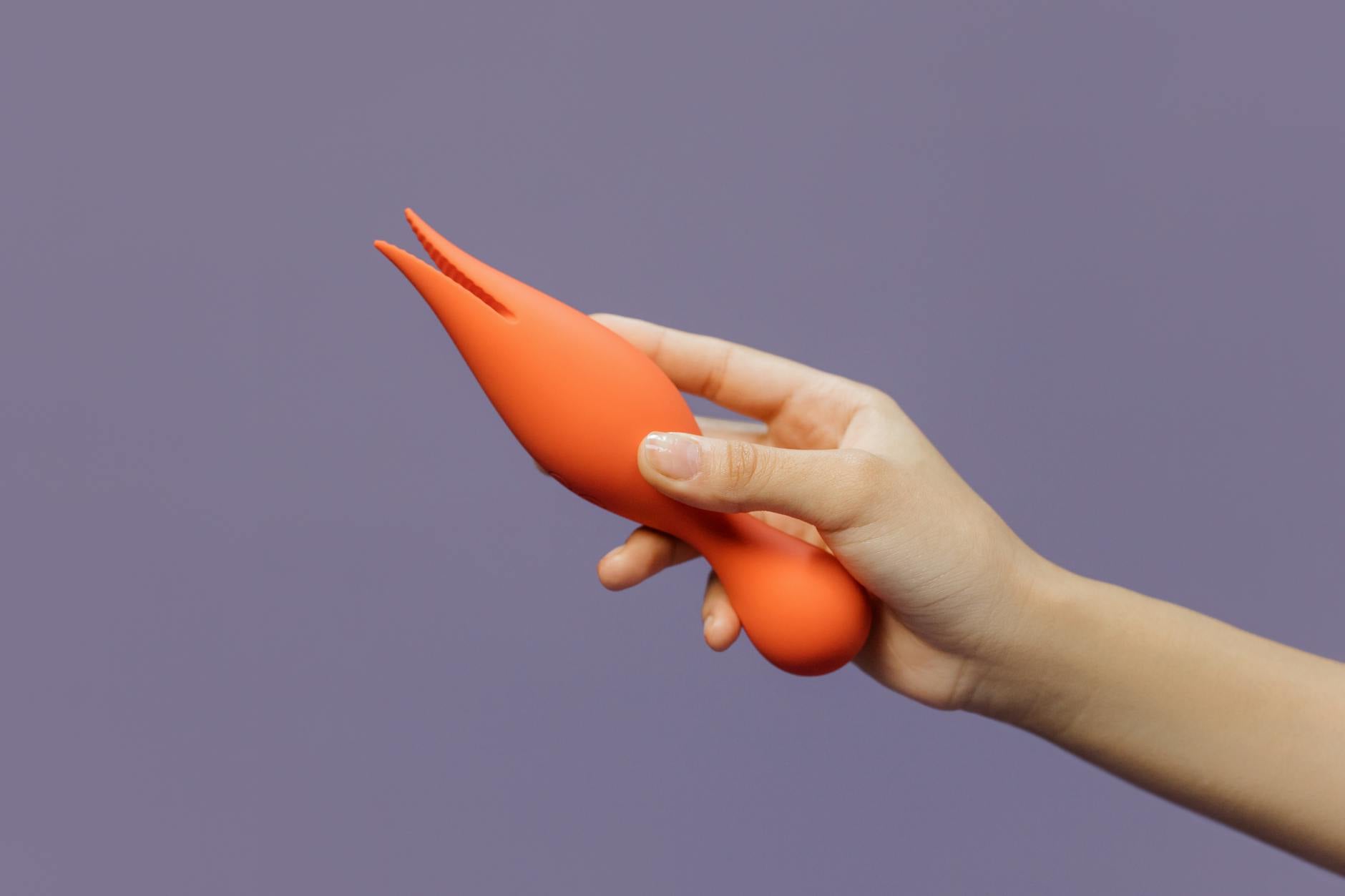
This is where a lemon clitoral vibrator does something quietly important. It's not about "making up for" anything. It's about letting the person whose desire is back have a way to experience pleasure without waiting, and letting the person still healing feel wanted without performing readiness they don't actually have.
Why partners recover at different speeds
This isn't weakness or lack of chemistry. It's biology plus psychology plus a hundred invisible variables.
Physical recovery isn't linear. One partner might clear infection faster, experience less pain, or have fewer medication side effects. Energy restores on its own timeline. The nervous system settles down when it's ready, not on schedule. And underneath all that is the psychological component: how safe you feel in your body, how much anxiety lingers, whether you're managing grief about what you lost (even temporarily).
Meanwhile, the partner who's recovering faster starts feeling desire return and suddenly remembers what physical connection felt like. That momentum is real and valid. But it can feel isolating if your partner isn't there yet, and it can feel like pressure if your partner sees your renewed interest as a demand.
Most couples don't talk about this explicitly, which means resentment starts building on both sides. The faster-healing partner feels rejected. The slower-healing partner feels guilt and anxiety. A lemon vibrator doesn't fix those feelings, but it creates space where pleasure doesn't require perfect timing.
The solo-pleasure reprieve
When your partner is struggling with fatigue or pain or just not feeling sexual, but you're ready, using a lemon vibrator (or a lemon sexual toy like Hello Nancy's Savo line) becomes a form of honoring both of your bodies at once. You're not waiting. You're not asking them to perform. You're taking care of yourself, which paradoxically makes many partners feel less pressure.
In couples I work with, this shift changes the dynamic. The person who's slower to heal often reports feeling relieved that their partner has a way to experience pleasure without them having to contribute. It removes the guilt. And the person using the vibrator reports that self-pleasure feels less lonely when their partner knows about it and accepts it, rather than hiding it out of concern.
Talk about it first. "I miss touch, and I'm going to use my lemon vibrator this week so we don't have to figure this out yet" is different from doing it in secret. One creates intimacy. The other creates distance.
Using a lemon clitoral vibrator together, before both of you are fully ready
Here's where it gets interesting: the lemon vibrator can be part of partnered time without requiring the same level of participation from both people.
One partner can use it while the other provides non-sexual touch. Hands on their chest. Kissing their neck. Being present without the pressure of reciprocal arousal. For the slower-healing partner, this can feel safe and connecting without the performance demand. For the faster-healing partner, it's touch and intimacy without total isolation.
Start with low intensity (pattern 1 or 2 on a device like the Lem). The goal isn't orgasm right now. It's re-establishing that you're comfortable in each other's presence while something sexual happens. That's huge for couples coming out of illness.
Many couples also find that the faster-healing partner using a lemon vibrator while touching their partner (non-genitally) helps bridge the gap. You're both in bed. You're both being touched. Nobody's being asked to perform something they can't deliver yet.
Timing matters more than usual
After illness, energy and desire follow predictable patterns. One partner might feel "up" at 6 a.m. The other at 10 p.m. Don't fight this. Work with it.
If you know your partner has energy in the mornings, that might be when you use your lemon vibrator in bed together while they doze or read next to you. It's not romantic in the traditional sense. It's domestic and ordinary, which honestly makes it feel safer for the slower-healing partner.
For the faster-healing partner, this removes the constant question of "Is today the day they'll be ready?" You have a plan. You have permission. That certainty actually reduces the tension a lot of couples don't realize they're carrying.
Talking about what's happening without making it weird
This is the part most couples skip, and then they end up with weird tension.
Before using a lemon vibrator (or any adult toy) while you're on mismatched recovery timelines, actually say some version of this out loud: "Your body is healing on its timeline. Mine is bouncing back faster. I don't want to wait for you to be ready before I experience pleasure again, and I also don't want you to feel guilty about not being ready. Using a vibrator when we're in bed together is how I'm going to handle that."
Then listen to what your partner actually needs. Maybe they want to be in the room. Maybe they'd rather you do it when they're not there. Maybe they want to touch you while you use it. All of these are valid, and none of them mean anything about your relationship.
For the slower-healing partner, you might also say: "I want you to feel wanted and attractive, even though I know you're not ready to have sex yet. If you want to watch, or touch me while I use this, that's something we can explore when you feel up to it. But you don't owe me that."
This is where lemon vibrators (or any clitoral vibrator) become relationship tools rather than just pleasure tools. They're permission structures.
When recovery stalls or reverses
Sometimes the slower-healing partner has a tough week and feels even further from readiness. This is normal and temporary. It's not a sign you're broken or that they don't want you anymore.
Using a lemon sucker or lemon vibrator in these moments without any expectation of change actually helps both of you. The faster-healing partner gets to maintain their pleasure without adding pressure (which would set recovery back further). The slower-healing partner gets to stay in bed with you, stay connected, without the weight of needing to perform.
In my work with couples, I've seen this small accommodation prevent the resentment that usually builds when one person is "ready" and the other isn't. That resentment is where relationships fracture during recovery, even when both people love each other deeply.
From mismatched to reconnected
There will be a moment when both of you are ready again. When that happens, you won't have months of buried frustration underneath it. You'll have the memory of staying connected, of honoring both your timelines, of not turning desire into pressure.
That's when a lemon clitoral vibrator becomes something you use together not because you have to, but because you want to. Because it's genuinely pleasurable, not because it solved a timing problem.
For now, if you're the faster-healing partner, give yourself permission to experience pleasure without guilt. If you're the slower-healing partner, release the guilt about not being ready yet. A lemon vibrator holds space for both of those truths at once.
People also ask
Is it normal for partners to have different recovery timelines after illness?
Completely normal. Physical healing doesn't sync across two bodies. One partner might regain energy while the other is still managing pain or medication side effects. Desire follows energy, which follows healing, which is different for everyone. The couples who handle this well are the ones who name it explicitly rather than letting resentment build silently.
Can using a vibrator while my partner is recovering make them feel rejected?
Not if you talk about it first. The rejection usually comes from not talking about it. If you explain that you're using a lemon vibrator to manage your own pleasure without asking them to perform something they can't deliver yet, most partners actually feel relief. It's the secrecy or the implied expectation ("If you loved me, you'd be ready") that creates rejection. Openness creates connection.
How do I know when both of us are actually ready to reconnect sexually?
You'll notice energy returning in other areas. Your slower-healing partner will start initiating non-sexual touch again. They'll make jokes about sex or admit they've been thinking about it. They won't feel physically exhausted from basic activities. When those signs show up consistently, that's when you can gently explore reconnection. A lemon vibrator is still useful in this phase, but now it's a choice, not a bridge.
Should we use a vibrator instead of waiting for my partner to recover?
Not instead of. Alongside. Your partner's healing timeline needs to be respected, but your physical needs don't have to be on pause either. These aren't in competition. A lemon vibrator lets both be true at once. You're not replacing partnered sex with solo pleasure. You're creating a middle ground while you both get stronger.
What if my partner feels insecure seeing me use a vibrator?
Insecurity usually means you haven't had the conversation yet. Partners who feel insecure are often thinking "They don't want me anymore" or "They prefer this to me." Neither is true, but insecurity doesn't live in logic. Reassurance does: "I miss us. I'm not replacing you. I'm managing my body while you heal yours. This is temporary." Say it more than once. Actions (being patient with their recovery, staying connected in other ways) back it up.
Can a lemon clitoral vibrator help us reconnect emotionally, not just physically?
Indirectly, yes. When couples manage physical needs without resentment building, emotional intimacy stays intact. The conversations you have about using a lemon vibrator during recovery are also conversations about what you both need, what feels safe, what pleasure means right now. That's intimacy. It's not the main event, but it matters.
A note on patience (and self-care)
Recovery is slow. Some weeks you'll feel like you're making progress. Other weeks it'll feel like you're back at the beginning. Both are part of the process. A lemon vibrator isn't a shortcut. It's a way to keep yourself and your relationship intact while the slower work of healing happens underneath.