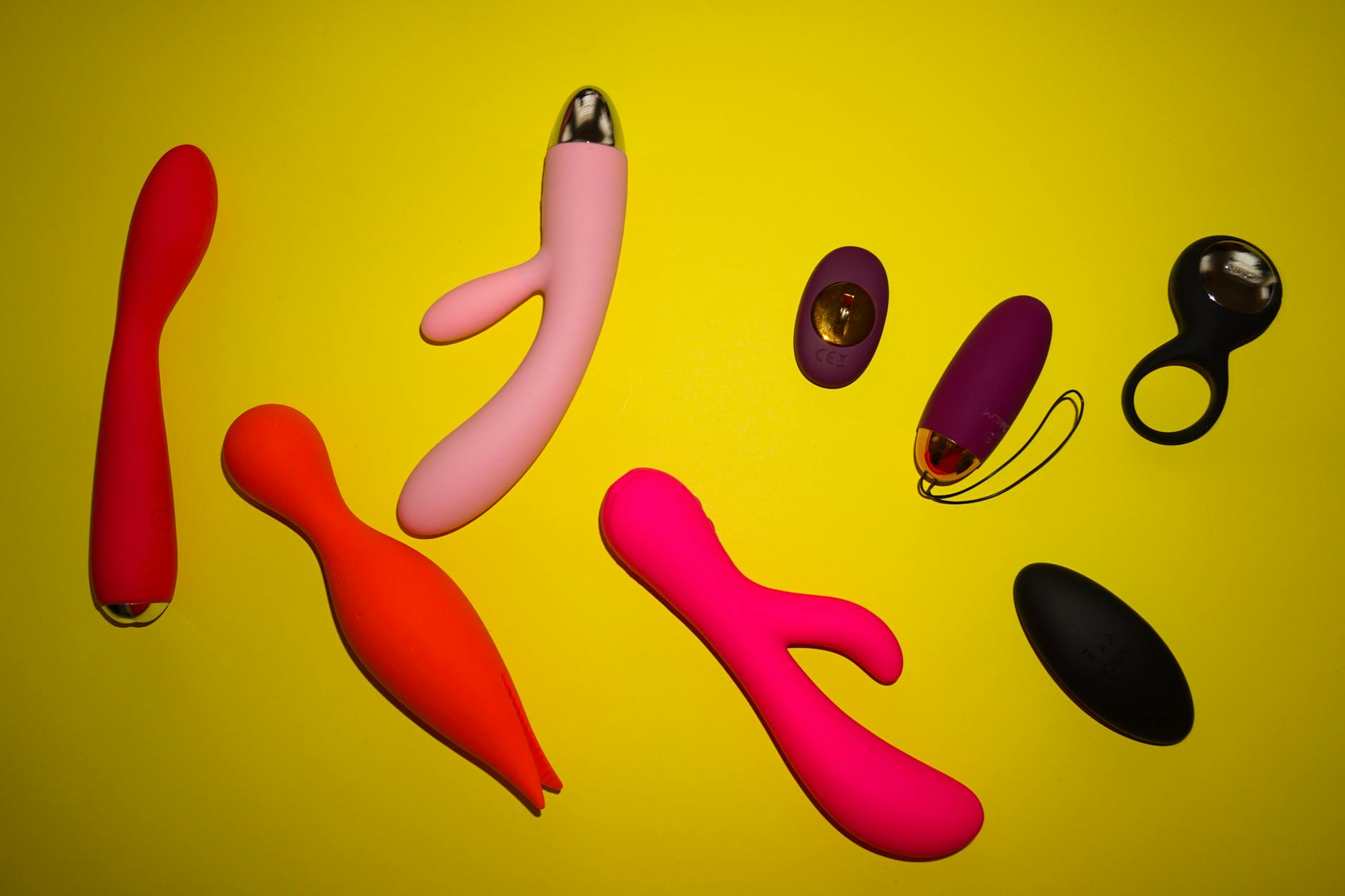
Let's name the tension nobody talks about
One of you is ready to reconnect sexually. The other isn't. Maybe one partner bounced back after surgery faster than expected, or one has healed from depression and wants intimacy while the other is still climbing out. Maybe you're both recovering from the same event but your nervous systems are on completely different timelines. The gap between you feels less like a normal difference and more like a chasm.
Here's what happens next in most relationships: the faster-recovering partner feels rejected or resentful. The slower-recovering partner feels pressured or broken. Both of you stop talking about it, which makes it worse. A lemon vibrator, used with real intention, can change that dynamic without minimizing either person's truth.
Why your bodies aren't on the same timeline (and that's completely normal)
Recovery from illness, injury, or emotional depletion isn't linear and it's definitely not synchronized. If one of you experiences anxiety after a health event, your amygdala stays on high alert even after the physical crisis passes. Your nervous system is asking "Is it safe yet?" while your partner's already answered yes. If one of you was the caregiver, you might be dealing with caregiver fatigue that doesn't lift the moment the crisis does. Meanwhile, the person who was being cared for might feel relief and renewed connection.
Brain chemistry matters too. Depression and antidepressants affect desire differently for different people. Trauma responses are individual. Hormonal shifts after surgery or illness hit unpredictably. Your timelines aren't misaligned because someone's being difficult. They're misaligned because your bodies are processing different things.
The conversation before you bring a toy into this
This matters more than the vibrator itself. You need to separate three conversations that couples usually mash together:
Conversation 1: "My body is on a different timeline than yours, and I'm not broken."
Conversation 2: "I want us to stay connected even while we heal at different speeds."
Conversation 3: "I'm interested in trying something that might help both of us."
Have them separately. Don't mix them or you'll end up fighting about whether the faster-recovering partner is being pushy instead of actually solving the problem. The person who's slower to recover needs to know their timeline is respected. The person who's ready needs to know their desire is valid. You both need to agree that staying connected matters, even if that looks different right now.
Then introduce the lemon vibrator as a tool for that connection. Not as a workaround. Not as pressure. As a way to bridge the gap that honors both of you.
How a lemon clitoral vibrator creates space for both timelines
A lemon vibrator's suction-based design works because it doesn't require the same kind of vulnerability or performance that intercourse or direct manual stimulation does. Here's why that matters when recovery timelines are mismatched.
If you're the slower-to-recover partner, you can be fully clothed. You can set a hard time limit. You can stop immediately without explaining or justifying. There's no pressure to "finish" or match your partner's pace. You're in complete control. Many people find that this kind of low-stakes exploration actually speeds up their own recovery because it removes the pressure that was keeping them stuck.
If you're the faster-to-recover partner, you get something too. You get to participate in your partner's pleasure without it being about your pleasure. You get to be present. You get intimacy that isn't sexual performance. And you get tangible evidence that your partner is healing, even if they're not there yet.
Practical setup: how to actually do this
Start fully clothed. Seriously. No stripping down. The person with the lemon vibrator holds it. The other person just exists nearby. You might be on the couch, one at each end. You might be in bed together, not touching yet. The physical setup removes the pressure of "this is leading somewhere."
Begin at the lowest intensity. The person using the lemon vibrator explores sensation without goal. No racing toward orgasm. No "proving" readiness. Just noticing what feels good. Three to five minutes. That's it. Stop while pleasure is still building.
Do this three or four times over a week or two. Each time, the slower-to-recover partner might notice their nervous system relaxing a tiny bit more. Each time, the faster-to-recover partner gets to witness their partner's body coming back online.
When you're both ready, the partner who was observing can join. They might use their hands. They might use a second toy. Or they might just stay present and hold space. There's no script.
The emotional piece that determines whether this works
The vibrator is never the real tool. Trust is. If the slower-to-recover partner doesn't believe that their partner respects their timeline, no toy helps. They'll just feel more pressure wrapped in silicone. So before you use any lemon vibrator together, you need actual evidence that you're on the same team.
This means: the faster-to-recover partner has to genuinely accept that healing takes as long as it takes. Not intellectually. Emotionally. In how you show up. If you're subtly resentful, your partner will feel it and trust collapses.
It means: the slower-to-recover partner has to communicate what they actually need. Not "I'm not ready" (true, but not actionable). But "I'm not ready for intercourse, but I could explore sensation with a toy while staying clothed" or "I'm ready for fifteen minutes of gentle touch twice a week, but not more than that."
When to bring in more support
If one partner's recovery is stalling significantly—if depression isn't lifting, if anxiety is intensifying, if pain during any kind of touch persists—a lemon vibrator isn't the solution. You need a therapist, an actual medical workup, or both. A vibrator is for couples who are both healing; it's not a substitute for professional help.
If resentment is running high and you can't talk without fighting, you might need a couples therapist before you try this. Someone trained in the Gottman Method or Emotionally Focused Therapy can help you navigate mismatched timelines without one person feeling abandoned and the other feeling pressured.
The breakthrough that often happens
Most couples I've worked with notice something shifts after a few weeks of this. The slower-to-recover partner starts feeling safer because they're clearly in control. Their nervous system begins to trust that pleasure doesn't mean they have to do more than they're ready for. The faster-to-recover partner stops feeling rejected because they understand that their partner's body isn't refusing them.it's healing. Both people feel seen.
Sometimes the slower partner catches up quickly. Sometimes they don't. Either way, the gap stops feeling like a crisis and starts feeling like just.two people on slightly different schedules who love each other. A lemon clitoral vibrator from Hello Nancy's Savo is just the catalyst. The real work is the conversation and the commitment to healing together.
FAQ: Navigating recovery timelines with a partner
How do I know if my partner's slower recovery is normal or a sign something's wrong?
Normal recovery varies wildly depending on what you're recovering from and how your nervous system processes threat. A few months feels too long to most people, but six to eighteen months of genuinely slow progress is common after major surgery, illness, or trauma. If it's been longer than that and nothing is changing, or if your partner actively doesn't want to reconnect, that's worth exploring with a therapist.
What if my partner says no to using any vibrator at all, even though they agreed to try?
That's information. They're not ready yet. Don't push. Instead, ask what would make them feel safer exploring pleasure together. Maybe it's just hands. Maybe it's touch outside the bedroom first. Maybe it's more talking. Meet them where they are, not where you want them to be.
Can using a lemon vibrator while my partner watches feel too exposed for the slower-to-recover partner?
Absolutely. You might need to start with solo use first—the slower-to-recover partner exploring the vibrator alone, building confidence with it, before the other partner is present. That's not a step backward. It's smart pacing. When they do bring you in, they'll already know what feels good.
What if we try this and it actually creates more distance between us?
That usually means one of you is trying to move faster than the other is genuinely ready for. Take it slower. Go back to clothed, low-intensity exploration. Or pause entirely and have the conversation about what you each actually need from recovery. The vibrator works when both people are genuinely on board, not just complying.
How long should we do this before we "graduate" to more intense intimacy?
There's no timeline. Recovery isn't linear and intimacy doesn't have levels. Some couples might use a lemon vibrator as their primary intimate activity for months. Others might use it once and move on. Both are fine. You're done when both of you feel reconnected, not when you think you "should" be done.
My partner is the one who wants to use the vibrator but I feel uncomfortable watching. Is that okay?
Completely okay. You might observe for a minute and then step out of the room. You might stay but look away. You might hold their hand without looking. You might not be present at all at first. Comfort matters. It's not selfish to take that space. If you eventually want to be more present, you'll build toward it naturally.