Let's be real about mismatched timing
Your partner is ready. You're not. And instead of feeling like partnership, it feels like an invisible clock ticking in the background. Maybe they haven't said anything directly, but you sense the shift. A little more insistence on touching you. Slightly less patience with foreplay. That gentle impatience that makes you contract instead of open. This is one of the most common friction points in long-term relationships, and almost nobody talks about it honestly.
Here's the thing: a lemon clitoral vibrator isn't a compromise. It's a reset button.
Why partner pressure shuts you down
Your nervous system isn't being prudish or difficult. When someone else's energy is pushing you toward a finish line you didn't set, your body's first instinct is to protect itself. The arousal response that was building softens. Your pelvic floor tightens instead of relaxes. Your mind splits between what you're feeling and what you think you should be doing. This isn't a personal failing. It's a physiological fact.
Mismatched timelines are especially common in three scenarios: early in a relationship when the novelty is fading and one partner expects the intensity to stay constant, after a period of low desire when one partner has been waiting and the other is cautiously rebuilding, or when one partner has experienced a shift in pleasure capacity (illness, medication, life stress) and the other hasn't adjusted their expectations yet.
How a lemon sucker gives you agency back
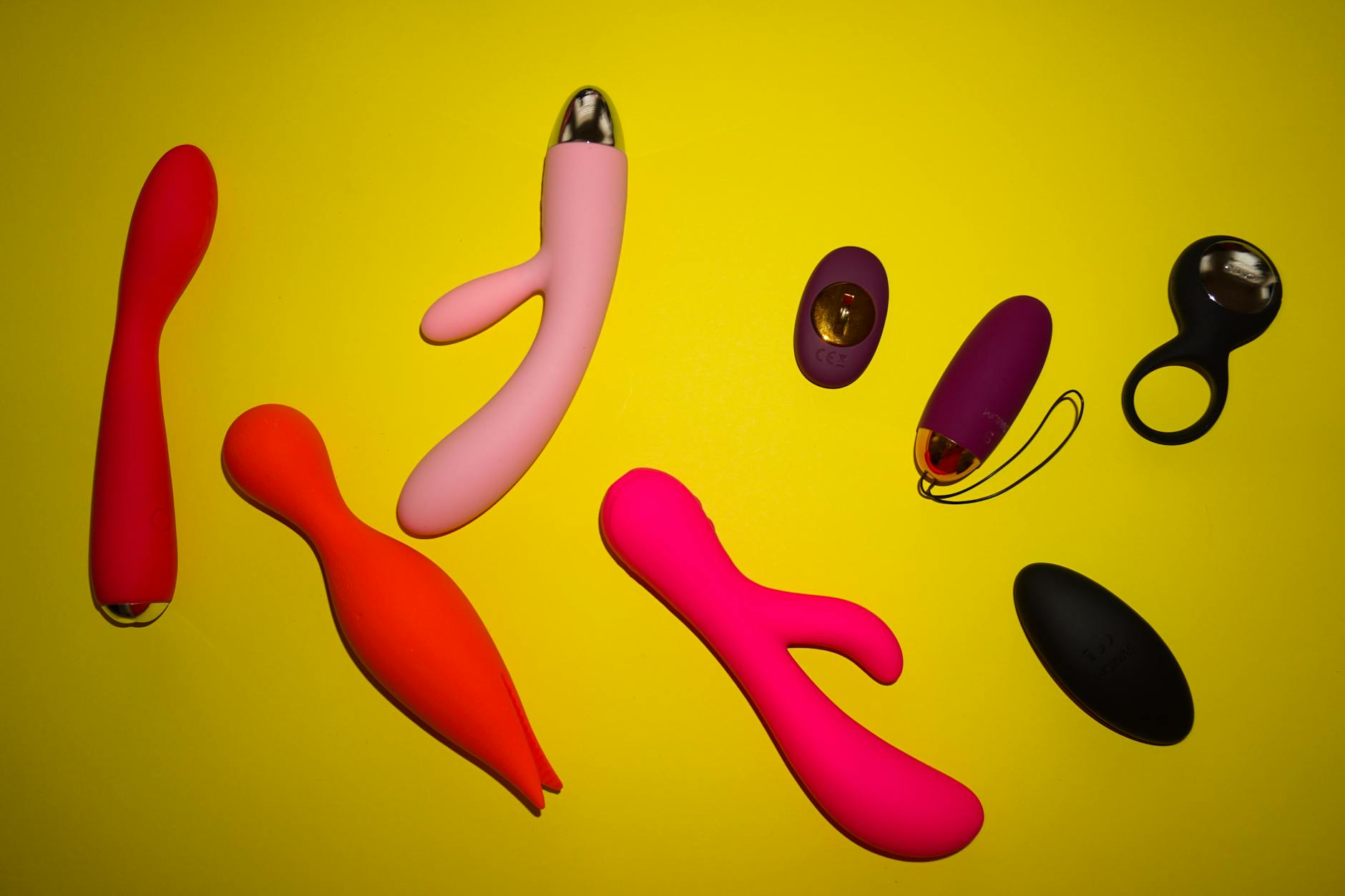
A lemon clitoral vibrator like the Lem works differently than your fingers or their touch. It creates consistent, controllable stimulation that you direct entirely. You choose the pattern. You choose the intensity. You control the pacing. And this matters psychologically as much as physically. When your partner watches you use a lemon vibrator on yourself, the dynamic shifts from "they want this from me" to "I'm choosing this for myself."
This is the magic part: your partner doesn't have to do less. You're not rejecting their touch. You're adding a layer of control that makes it safe for your body to actually build arousal instead of managing anxiety about keeping pace.
Setting the conversation before you introduce a toy
Don't hand your partner a lemon vibrator mid-session and expect them to understand what just happened. The conversation needs to happen earlier, when clothes are on and you're both thinking clearly. Say something like: "I want us to feel more connected, and right now I notice I'm thinking about your timing instead of what I'm actually feeling. I want to try using a toy so I can focus on my own pleasure without that pressure. Would you be willing to explore that together?"
The second part is crucial. Don't frame it as a solo thing (even if you end up using it alone most of the time). Position it as something you're both trying. This keeps your partner from feeling rejected, which is often the underlying fear when someone's pushing faster than you want to go.
If they resist, that's a different conversation entirely. That's about whether your needs matter equally in the relationship. But most partners, once they understand the framing, become genuinely curious.
The practical setup
Start with a lemon vibrator like the Lem or another clitoral vibrator on lower patterns, around settings 1 or 2. Have your partner begin touch without the toy, building your arousal slowly. When you feel ready (not when you think it's taking too long), introduce the vibrator. Let them see you guide it. Let them watch your response shift when you have control.
Many partners find this incredibly hot, by the way. Watching someone else direct their own pleasure, seeing exactly what works for them, is often more intimate than the guessing game.
The pacing structure you might use: slow manual foreplay for 10-15 minutes, introduce the lemon vibrator for another 10-15 minutes with your partner touching you elsewhere, then escalate together if you want to. This removes the invisible pressure because both of you now have a clear rhythm.
When your partner wants to be the one using it
That's fine. And it actually solves the pressure problem in a different way. When your partner is holding the lemon sucker and you're guiding their hand ("slower, here, pause for a second"), you're still maintaining pacing control. You're still the director. They're just the tool. For some people, this feels more vulnerable and intimate than using it yourself. For others, it reintroduces the pressure. You'll know which after one try.
If using it themselves makes them feel useful instead of impatient, that's a win. If you feel pressure build back up, switch back to doing it yourself. No rule says you can't alternate.
The arousal scaffolding that actually works
Honestly? Most partner pressure comes from a fundamental misunderstanding of how pleasure works. Your partner may genuinely believe that faster intensity equals hotter, or that their desire for you should automatically sync with yours. They need to learn that your slowness isn't a rejection. It's where you actually live right now.
A lemon clitoral vibrator makes this visible. When they watch your body respond to pattern 2 for five minutes, then shift slightly as you move to pattern 3, then pause and breathe before going higher, they see the actual architecture of your pleasure. This is education that words alone can't deliver.
Add manual stimulation to different areas while you're using the vibrator. Neck, breasts, inner thighs. Your partner touching you while you control the main event combines their presence with your pacing. This usually dissolves the pressure because both people feel needed.
When pressure comes from fear of losing you
Sometimes the impatience isn't about sex at all. It's about connection. Your partner feels you pulling away (even slightly) and they're trying to get you back through intensity. This is worth naming directly. "I know you miss us. I miss us too. But rushing me into more than I'm ready for actually makes me withdraw further."
Using a toy together can paradoxically feel more intimate than faster sex, because it's honest. You're both acknowledging what's actually true in this moment instead of pretending you're somewhere you're not.
The boundary-setting that matters
You don't need to use a lemon vibrator every time. You don't need to escalate on anyone else's timeline. If your partner ever treats the toy as a substitute for listening to your actual needs, that's a problem that a vibrator can't fix.
But for couples where the mismatch is real and both people are willing, introducing a lemon clitoral vibrator often becomes the turning point. It moves the conversation from "you're not ready fast enough" to "let's build this together at your pace." That shift, more than anything else, tends to deepen the connection.
People also ask
Can I use a lemon vibrator if I'm not sure my partner will be okay with it?
Yes. You don't need permission to pleasure yourself. But if you're in a partnership where you want to be intimate together, the conversation matters for transparency. You might say: "I'm thinking about trying a toy when I'm alone to understand my own pleasure better." That's honest without requiring approval. If they have a strong reaction, that tells you something important about how they view your autonomy.
Will using a lemon sucker make my partner feel less needed?
Not if you frame it right. The goal isn't to replace them. It's to make partnered pleasure possible without burnout for you. Many partners actually feel relief when the pressure lifts. They realize they weren't failing you. You just needed a different kind of stimulation. That's usually a massive load off.
What if my partner wants to rush through using the toy too?
Then the pressure is deeper than you thought. You might say: "I need you to let me set the pace here. If that feels frustrating for you, let's talk about what's driving that." This could be anxiety, impatience, or a genuine mismatch in how you both experience pleasure. A conversation might help. A therapist could help more.
How do I know if the pressure I'm feeling is relationship-normal or a red flag?
Normal pressure is something your partner is willing to examine and adjust. A red flag is insistence, dismissal of your timeline, or pressure that increases when you set boundaries. Normal partners listen when you say "I need slower." Concerning partners push back or make you feel guilty. You know which one you have.
Can I talk about pace without introducing a toy?
Absolutely. But toys often work better than words because they make the pacing visible. Sometimes your partner needs to see your body respond at your actual pace to believe it's real. That said, if your partner refuses to slow down even with a vibrator in the mix, that's the real conversation.
Does using a lemon clitoral vibrator mean we're not connected enough?
The opposite. It means you're connected enough to be honest about what you need. Most couples who introduce toys find that vulnerability actually deepens intimacy. You're showing your partner your actual pleasure, not a performance of it.
The deepest intimacy often comes when both people stop trying to be what they think the other person wants and start being honest about what they actually need. A lemon vibrator is just the tool that makes that honesty possible.