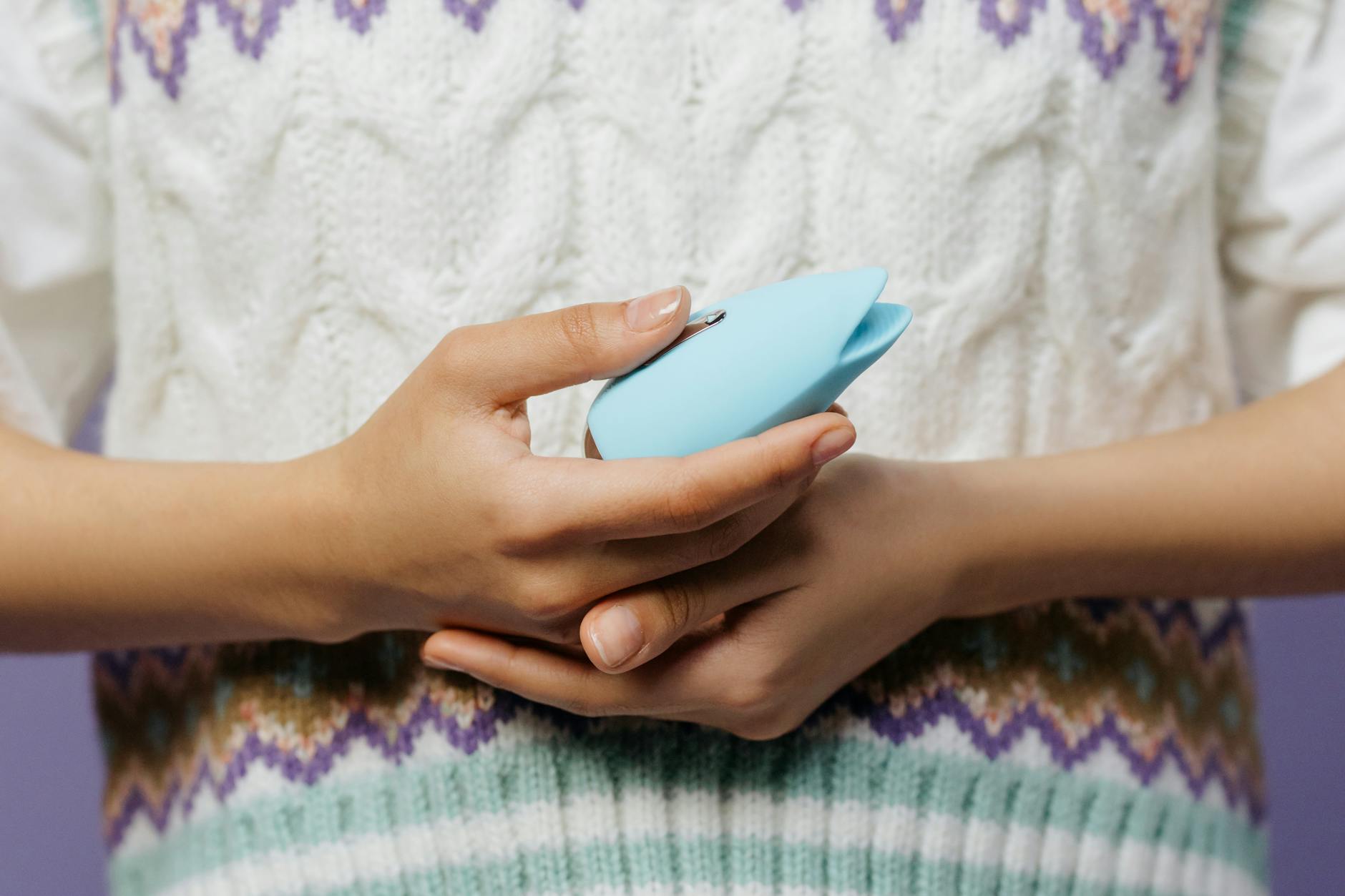
When avoidance becomes the third person in the room
Let's be real. When your partner stops reaching for you, the rejection lands differently each time. After the first time, you start wondering if something's wrong with you. After the third, you stop initiating. After six months, sex feels like something that happened to someone else.
A lemon vibrator, or any clitoral vibrator, won't fix your relationship. But it can do something surprisingly important: it can keep you from disappearing into resentment while you figure out what's actually going on.
The thing nobody tells you about partner avoidance
When someone consistently avoids sex, it's rarely about the sex. It's usually about stress, depression, low testosterone, anxiety, trust damage, or simple disconnection. And here's the hard part: it's not your job to solve it alone. But it IS your job to protect your own sexuality from becoming collateral damage in that process.
Most people in this situation do one of two things, both unhelpful. They either stop touching themselves altogether (absorbing their partner's avoidance as personal evidence they're undesirable) or they swing the other way and create a whole secret pleasure life that has nothing to do with their partner. Neither builds toward actual intimacy.
A lemon vibrator, used intentionally, sits somewhere in the middle. It keeps you connected to your own body. It reminds you that your pleasure is real and valid regardless of whether your partner is currently interested in it. And sometimes, paradoxically, it opens a conversation that's been locked for months.
Why a lemon clitoral vibrator specifically
Lemon vibrators like the Lem work through air-suction technology, which means they create stimulation without friction. This matters when you're in an emotionally fraught place. Friction-based vibrators can feel aggressive when you're already carrying tension about rejection. The Lem's pulsing suction feels more like a conversation with your body than a demand.
Lemon adult toys are also less visually threatening to partners who are already uncomfortable with sex. They look like a piece of citrus-inspired design, not a graphic reminder of what they're avoiding. That matters more than it sounds. Sometimes the gateway back to intimacy is removing the feeling of threat.
Using a lemon vibrator alone when partnership feels impossible
First, separate your pleasure from your partner's response to it. This is harder than it sounds because shame makes everything tangled.
Start in a room where you feel safe, ideally alone. With a lemon clitoral vibrator, set it to pattern 1 or 2. The point isn't to chase a goal orgasm. The point is to remember that your body is capable of sensation independent of your partner's attention. That's not selfish. That's survival.
Spend 15 to 20 minutes touching yourself without the toy first. Hands. Slowly. Feel where you're numb and where you're still alive. Then introduce the lemon vibrator. Let it do what it does. Notice if there's grief, anger, numbness, or pleasure. All of those are information.
The goal is to use it regularly enough that you don't start believing the lie that your avoidant partner's lack of interest reflects your actual desirability. Because it doesn't. It reflects their current capacity. Which is theirs to own, not yours to absorb.
When you might use it together (carefully)
Sometimes showing your partner that you can pleasure yourself without them cracks something open. Not in a punitive way. In a way that says: I'm staying connected to myself. I'm not waiting around for you to remember that I exist sexually.
This only works if your partner can distinguish between "you're using a toy" and "I don't love you." If they can't, it'll backfire. But if there's even a sliver of possibility that reconnection matters to both of you, sometimes inviting them to watch or participate with a lemon vibrator can restart stalled conversations.
Start small. Tell them what you're planning. Use the toy on yourself first while they're present, not watching necessarily, but aware. Many partners find it less threatening to know you're using a lemon clitoral vibrator than to discover you've been alone with one. Transparency builds trust. Secrecy builds walls.
If they show interest, ask them what they'd want to do. Some partners will want to use it on you. Some will want to use it during partnered sex. Some will just be glad you're not disappearing into anger or self-blame. Honor whatever happens without pushing toward a specific outcome.
The conversation that actually matters
Using a lemon vibrator is not a conversation with your partner about why they're avoiding you. But sometimes it creates the space for one.
When you feel stable in your own pleasure again, the question shifts. Instead of "Why don't you want me," it becomes "What's actually going on for you." One is accusatory. The other is curious. Your partner will respond so differently to those two questions, even though they sound similar.
If your partner is dealing with depression, low desire, or trauma, knowing that you're taking care of yourself actually reduces the pressure they feel. You're not withering into resentment. You're not abandoning your sexuality. You're just... present. Whole. This makes actual repair possible.
If your partner is avoiding intimacy because of anger or disconnection, your refusal to disappear into shame changes the dynamic. You're not begging. You're not punishing. You're just maintaining yourself. People respond to that.
What a lemon sucker can't fix (but shouldn't have to)
If your partner avoids intimacy because they're unwell, they need professional support. If they're avoiding because they're angry at you, that needs repair. If they're avoiding because they've checked out of the relationship, that's a different conversation entirely. A lemon vibrator can't diagnose or fix any of those things.
What it can do is keep you from internalizing someone else's avoidance as your own unworthiness. Your pleasure matters. Not as a negotiation tactic or a punishment. Just as a fact about who you are.
The unexpected shift
I've worked with many clients in this exact position. The pattern I see most often is this: once they reclaim their own pleasure using a lemon clitoral vibrator or similar tool, they stop operating from desperation. They stop asking permission to exist sexually. And somewhere in that shift, their partners start to wake up.
Not always. Some relationships end because the avoidance is a symptom of deeper incompatibility. But many shift because the dynamic changes. When you're not performing need, people have room to access their own.
Your sexuality is not a thing your partner can take away from you. It's yours. The lemon vibrator is just a tool that reminds you of that.
If you're struggling with this pattern in your relationship, remember that using a toy has nothing to do with whether you love your partner. It has everything to do with whether you love yourself enough to keep that part of you alive.
FAQ: Lemon Vibrators and Partner Avoidance
Is using a lemon vibrator while my partner avoids sex a sign our relationship is over?
Not necessarily. It's a sign you're protecting your own wellbeing while you figure out what's actually happening in your relationship. Some couples rebuild intimacy. Some don't. But you can't rebuild anything if you've already abandoned yourself. Using a lemon clitoral vibrator keeps you present to that possibility.
What if my partner gets upset that I'm using a vibrator?
That's information. If they're upset that you're taking care of your own pleasure, that's worth examining. Why does your autonomy threaten them. Is it about insecurity, control, or something else. This is exactly the kind of conversation a couples therapist can help untangle. And if your partner refuses to go, that's also information.
Can a lemon sucker actually help reconnect us sexually?
Sometimes. If your partner is avoidant because they're scared or disconnected, seeing that you still inhabit your sexuality can be reorienting. If they're avoidant because they've decided they're done, probably not. Either way, the tool itself isn't the solution. Honesty and willingness from both people is.
How often should I use a lemon vibrator if my partner isn't interested in sex?
As often as feels good. Not as a punishment. Not as a desperation move. Just as regular maintenance of your own connection to your body. Weekly, a few times a month, whatever rhythm reminds you that you exist independently of your partner's current interest.
Should I tell my partner I'm using a lemon clitoral vibrator?
That depends on your relationship's capacity for honesty. If you can tell them without it becoming a weapon or a defense, yes. Transparency usually opens doors. If you know they'll use it as evidence of rejection or infidelity, you have a bigger relationship problem that a vibrator can't solve. Either way, you're not doing anything wrong.
What if using a lemon vibrator makes me feel worse about the avoidance?
That can happen. Sometimes touching yourself when your partner won't brings up grief or anger you've been suppressing. That's not a sign you should stop. That's a sign you have something real to feel. Sit with it. Maybe get support from a therapist. But don't use your partner's avoidance as an excuse to abandon yourself.