You're not sad about sex. You're just not thinking about it. It doesn't feel urgent or exciting. You'd be fine either way. And honestly, that feels like a problem because it used to feel different.
Low desire is one of the most common things I work with as a relationship coach. It's also one of the most misunderstood. Most people assume low desire means broken libido or a broken relationship. Usually it means neither. It means your nervous system needs permission to relax into pleasure again.
Libido doesn't live in a vacuum. It lives in your stress load, your sleep, your relationship dynamics, and your physical confidence. When any of those get tight, desire gets quiet.
The research is pretty clear: desire drops when your brain is managing too much cognitive load. Work stress, parenting, money worries, relationship tension. Your nervous system goes into conserve mode. Pleasure feels like a luxury it can't afford.
Something else happens too. If you've spent months or years in a lower-desire state, your body literally rewires. Your erogenous zones become less sensitive. Your arousal pathway gets dusty. You're not broken. You're just out of practice.
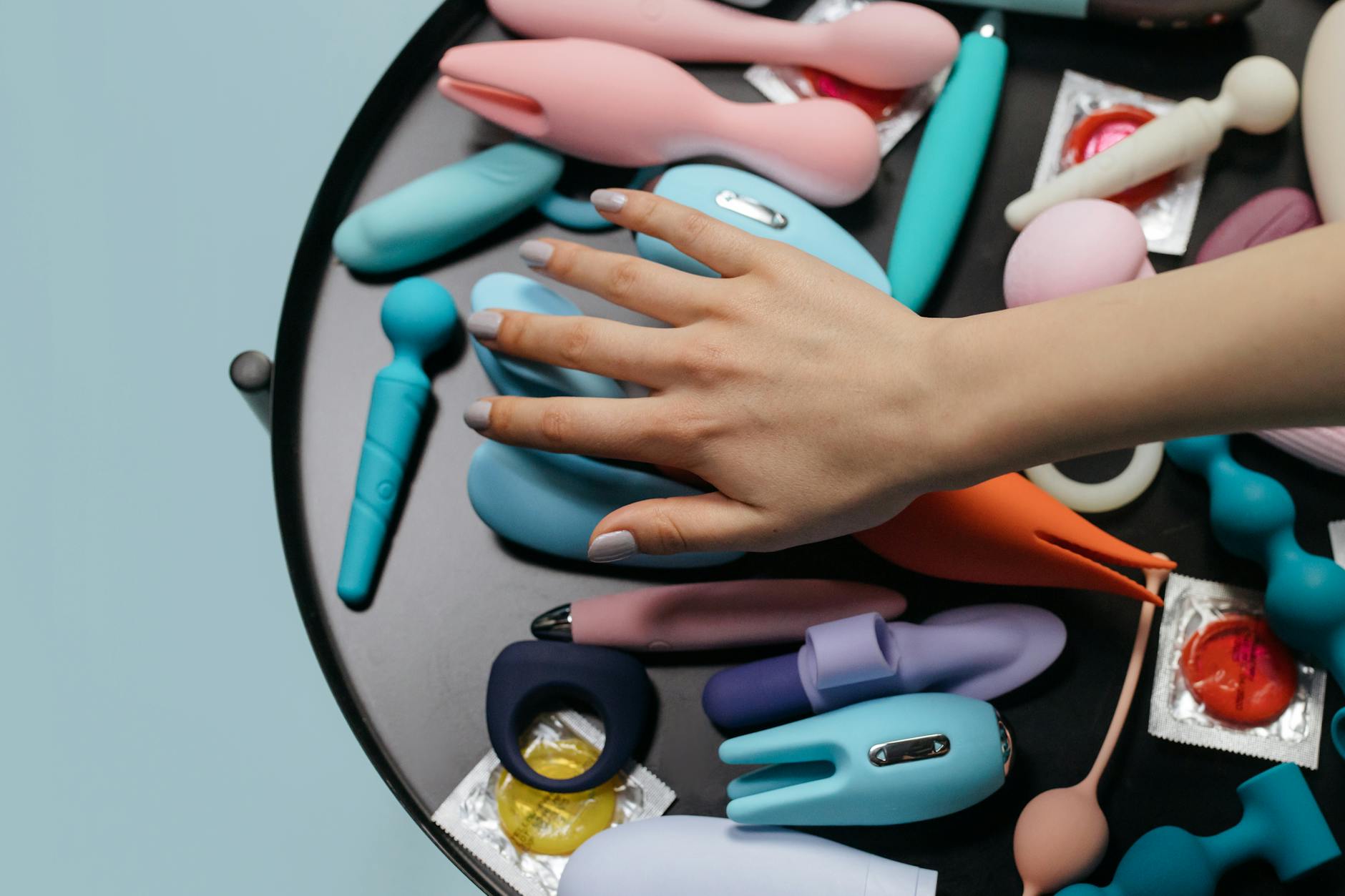
A suction-based clitoral vibrator like the Lem works on a different principle than a standard vibrator. Instead of broad vibration, it creates a gentle rhythmic suction that stimulates the clitoral bulb. For someone in a lower-desire state, this matters.
Why. Most people with low desire describe their clitoris as feeling numb or disconnected. They go through the motions but don't feel much. A lemon vibrator's suction pattern can rewaken sensation without the intensity that often feels overwhelming when you're already unmotivated.
You're not forcing pleasure. You're inviting your body to remember what sensation feels like. That's a completely different framing than "I should want this more."
This is where most people get it wrong. They think using a lemon clitoral vibrator when desire is low means turning it on and expecting fireworks. That's almost always disappointing.
Here's what works instead.
Start with zero pressure. Tell your partner (if you have one) or yourself that this is exploration, not performance. You're not trying to orgasm. You're trying to feel. The moment you remove the orgasm deadline, your nervous system softens.
Pick a time when you're actually relaxed. Not horny. Relaxed. This is crucial. If you're running on stress and caffeine, your body can't access the parasympathetic nervous system states that allow arousal. Choose a morning when you slept well, an evening after yoga, a weekend morning. Not 11 p.m. after a stressful day.
Use the lowest settings first. The Lem has multiple intensity levels. Start at 1 or 2. Spend 5-10 minutes there. Let your clitoris wake up gradually. You're not building toward anything. You're just creating gentle, consistent stimulation.
Set 20 minutes. Give yourself permission for this to take time. Low desire often means slower arousal. Your body isn't on alert. It needs time to recognize that pleasure is actually on the table.
Stop if nothing's happening. This sounds counterintuitive, but pushing through numbness doesn't work. If after 15 minutes you feel nothing, that's information. It means your nervous system isn't ready yet. Try again tomorrow. Or add a different element.
Here's what I tell couples when one partner's desire has tanked. Desire is built on three foundations: physical safety, emotional safety, and novelty.
Physical safety means your body doesn't feel threatened or in pain. If you're in chronic pain, dealing with an untreated medical condition, or on medication that affects sensation, that needs attention first. A therapist or doctor, not a vibrator, is the right first move.
Emotional safety means you're not angry, resentful, or anxious with your partner. If low desire came after a betrayal, years of unmet needs, or constant criticism, a lemon vibrator won't fix that. Couples therapy will. Sometimes solo therapy will.
Novelty means your body isn't bored. This is where a clitoral vibrator actually shines. If you've been doing the same thing the same way for years, your nervous system has tuned it out. A new sensation, a new rhythm, a new tool. That signals to your brain that something is different. Something is available.
Sometimes low desire is all three stacked. Sometimes it's one. Your job is figuring out which.
If you have a partner, involve them thoughtfully. Don't surprise them. Say something like: "I've noticed my desire has been lower. I want to rebuild it. Would you be open to me using a lemon vibrator during foreplay and seeing what that does for both of us?"
Some partners love this. Others feel insecure. That's not a vibrator problem. That's a communication and intimacy problem. Work through it before you buy anything.
If your partner is on board, use it as foreplay, not as a substitute. Let them touch you in other ways while you use the lemon vibrator. The combination of their presence plus the new sensation often reignites something.
If your partner is uncomfortable, that's worth examining separately. Sometimes partners worry a vibrator means you're no longer interested in them. Sometimes they worry you'll orgasm "too easily." These are feelings worth talking through, ideally with a therapist.
This is the question everyone asks. How long until I want sex again.
If you're in a high-stress season, desire often returns once the stress decreases. A few weeks to a few months.
If you've been in lower desire for years, it takes longer. You're literally rewiring neural pathways. Plan for 8-12 weeks of consistent gentle exploration before you expect dramatic shifts. Consistent meaning 2-3 times per week.
If low desire is tied to relationship issues, timeline depends on whether those issues are being addressed. If they're not, no vibrator will fix it.
The pattern I see most often: within 2-3 weeks of regular use, people start noticing sensation returning. Within 6-8 weeks, desire starts creeping back in. Not the desperate kind. The curious kind.
If you've tried exploration on your own and desire still isn't returning after 3 months, see a doctor. Some medications tank libido. Some medical conditions do. Hypothyroidism, low iron, unmanaged depression. These need treatment, not just vibrators.
If the issue is relational, see a couples therapist. If it's anxiety, see a therapist who specializes in sexual anxiety. Sometimes low desire is actually a symptom of something else that needs direct attention.
A lemon vibrator is a tool for exploration and sensation building. It's not a treatment for medical conditions or relationship ruptures. Know the difference.
Desire comes back sideways. You're not going to wake up one morning suddenly horny. You're going to notice you thought about it. Or you suggested it. Or something your partner did registered as attractive again. Small things. Then slightly bigger things. Then one day you realize you wanted it, not just agreed to it.
That's the real shift. Not intensity. Agency. When desire returns, it's because your body remembered that pleasure belongs to you too.