Here's what nobody tells you about sexual avoidance
Years go by. Maybe it started with one bad experience, or depression, or a relationship ending, or just burnout. Then avoidance becomes a habit. Not because you don't deserve pleasure, but because reconnecting feels risky, awkward, or like opening a door you're not sure you want to walk through.
The good news: coming back to pleasure after that kind of gap is not only possible. It's often simpler than the story you've built around it.
Why sexual avoidance creates a loop
Here's the frustrating part. The longer you avoid sex or solo pleasure, the more your nervous system gets used to the idea that it's not happening. Your body and brain literally rewire around that expectation. Then when you think about trying again, the anxiety is real because your system has learned to be on guard.
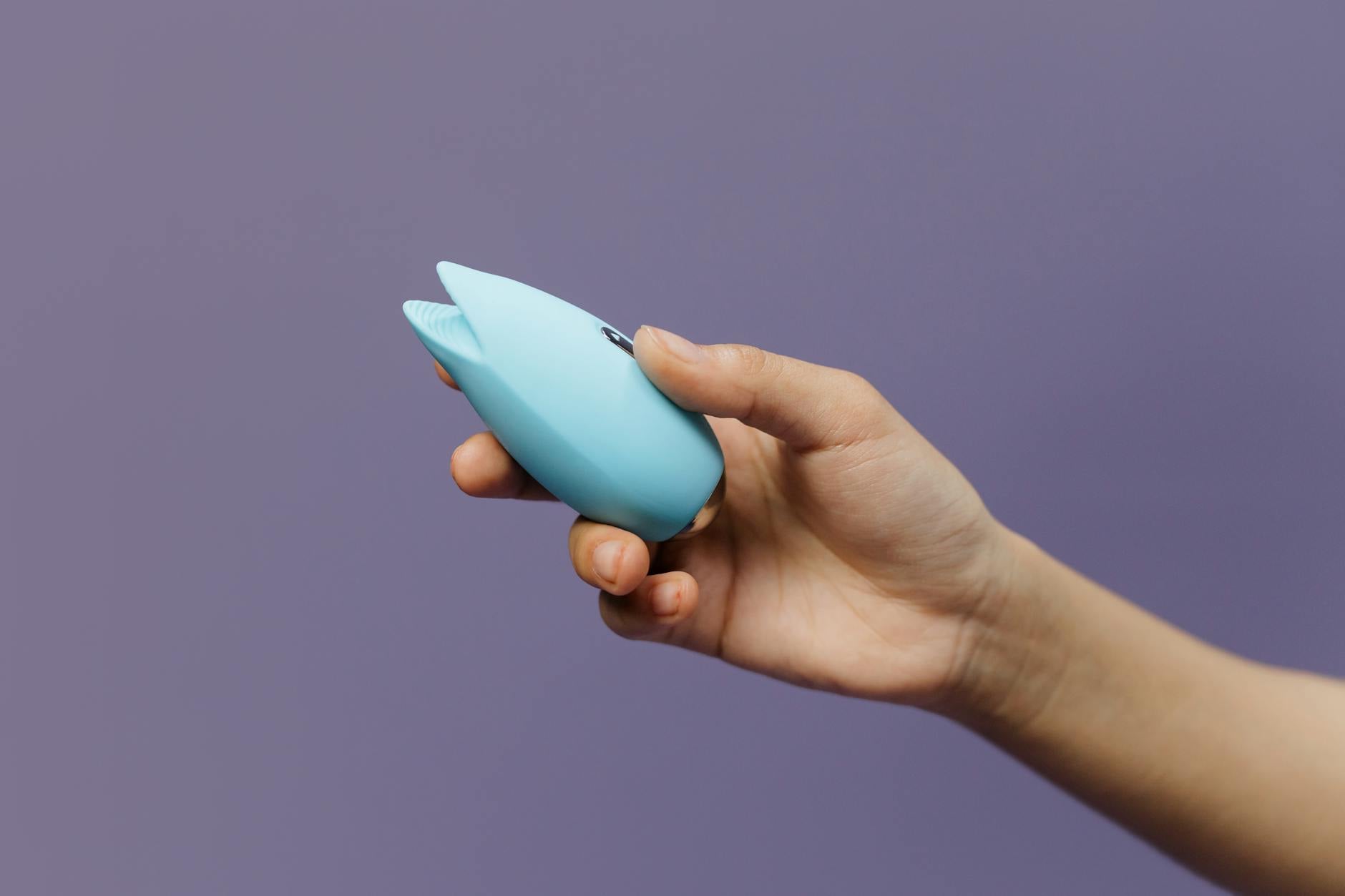
Adding a tool like a lemon clitoral vibrator into that picture changes the equation. Not because vibrators are magic. But because they give you something concrete to focus on instead of spinning in shame or pressure. They lower the activation energy required to start.
The specific advantage of the Lem for rebuilding confidence
I recommend the Lem vibrator specifically to clients rebuilding after avoidance because of three practical things it does.
First, suction stimulation feels less invasive than traditional vibration. If you've been away from any kind of sexual touch for a long time, the idea of direct friction can feel jarring. Air-suction technology (which is what clitoral suckers like the Lem use) creates a gentler sensation that still builds intensity. You control the pace. That agency matters when you're learning to trust your own body again.
Second, the Lem has a soft silicone head that doesn't require perfect positioning. Early on, when you're rebuilding, you don't need to be thinking about angles or technique. You need to be present. The design lets you focus on the sensation rather than whether you're doing it "right."
Third, there's a psychological reset that happens when you use a tool designed specifically for pleasure. It sends a signal to your nervous system: this is intentional, this is for me, this is not lazy or shameful. It's care.
Creating the actual environment for restart
The physical space matters more than you'd think. Here's what I ask people to set up before they begin.
Choose a time when you're genuinely alone and unlikely to be interrupted. Not just technically alone, but alone enough that your nervous system doesn't have to stay on alert for footsteps. Set a timer for 30 to 40 minutes so you know you have permission to explore without rushing. Rushing defeats the whole point.
Make the space warm. Temperature drops your libido, and if you're already anxious about reconnecting, being cold will keep your body defensive. A blanket, warm clothes, or even adjusting the room temperature helps your nervous system feel safe enough to soften.
Have water nearby. Hydration matters for arousal, and it gives you something tactile to return to if you get overwhelmed. It's a small grounding tool.
Don't use a bed if you associate it with avoidance or conflict. A couch, a chair, the floor with pillows, somewhere that feels fresh and specifically chosen for this can help reset the narrative in your body.
The actual process of rebuilding sensation
Day one is not about orgasm. It's about information. Turn on the Lem to pattern 1 (the gentlest setting) and just let it sit on your inner thigh, your hip, your stomach. Not your clitoris yet. Let your body remember what touch feels like without the pressure of achieving anything.
You're gathering data: What does this feel like? Does it trigger anxiety? Does it feel neutral? Can you take three deep breaths with it there? These tiny pieces of information are the foundation.
Day two or three, move it closer. Maybe your labia. Maybe the outer edges of your vulva. Still pattern 1 or 2. The goal is habituation. Your nervous system is learning: this is safe, this is mine to control, nothing bad happens.
When you feel ready to try your clitoris directly, stay on the lowest pattern. Most people rebuilding confidence expect that this will feel electric or obvious. Sometimes it does. More often it feels subtle, muted, even numb at first. That's not a problem. Sensation can return, but it takes time without pressure.
Managing the emotional stuff that comes up
Rebirth stories sound linear. They're not. You might feel great on day four and then anxious on day six. You might get two minutes in and have to stop because a memory surfaced. You might feel pressure building and panic slightly because pleasure used to be complicated.
All of that is normal and not a sign you're failing.
Here's what I tell clients: pleasure is not linear for anyone, but it's especially not linear after avoidance. Build in permission to pause. If you start exploring with your Lem and something shifts emotionally, stop. Take water. Breathe. It doesn't mean you should quit. It means your nervous system is waking up and processing.
Many people find that journaling for two minutes after a solo session helps. Not a sexy diary. Just: What did I notice? How do I feel right now? What do I want to try next time? That meta-awareness helps you stay in control of the process rather than letting it control you.
If grief or trauma specifically surfaces, that's worth addressing with a therapist. Sexual avoidance often has roots deeper than just "I was busy." Getting support for those roots makes the pleasure work faster and sticks longer.
How to know when you're ready to involve a partner
This is where people often rush and then feel worse.
You're ready to include a partner when: (1) you've spent at least a few weeks reconnecting solo, (2) you can use your Lem or explore your body without significant anxiety, and (3) you've had a conversation with your partner about what you need.
That conversation is crucial. Don't surprise them or suggest you're "fixed." Tell them the truth: "I'm rebuilding my relationship with pleasure. I'm using tools to help. I need patience and no pressure. Here's what support looks like to me."
If your partner is dismissive or impatient about your timeline, that's data worth sitting with. Rebuilding sexual confidence requires someone who can hold space for you to move slowly.
When you do start including them, do it gradually. Maybe they're present while you explore solo. Maybe they hold your hand. Maybe they use their own hands on your body while you use your Lem. Build from there. You're retraining yourself that pleasure and partnership can coexist.
Tracking progress without obsessing
Don't measure success by orgasm. I know that feels radical if you're used to performance metrics, but it's the single most important shift you can make.
Progress looks like: I felt more relaxed today than last week. I didn't have anxiety spiral this time. My body felt something I couldn't feel last month. I was curious instead of dreading it. I said no to something that didn't feel right, and that felt powerful.
Those are wins. Orgasm will likely come back or arrive in a new form, but it's a side effect of rebuilding, not the goal.
Some people track this with a simple note in their phone: "Felt present." "Felt numb but okay." "Felt alive." Over weeks, you'll see your own pattern emerge.
Common questions about restarting after sexual avoidance
Can I use a lemon vibrator if I haven't had sex in five or more years?
Absolutely. Your clitoris didn't forget anything. Sensation might feel different or take a few sessions to wake up, but the nerve endings are still there. Start on the lowest setting and give yourself at least a few weeks before you expect noticeable pleasure. Your timeline is yours.
What if I feel numb when I use the Lem?
Numbness after years of avoidance is extremely common. It's not a broken body. It's a nervous system that's been in protection mode. Numbness often decreases over weeks as you build trust and safety. If it doesn't shift after a month of regular exploration, check in with a doctor to rule out hormonal or medical factors, but usually patience and consistency are the answer.
Should I tell my therapist I'm using a vibrator?
If you have a therapist, especially one who works on trauma or sexual health, yes. It's relevant data about your healing. Most therapists appreciate honesty and can help you process what comes up. If your therapist shames you for it, find a different therapist.
How often should I use the Lem when I'm rebuilding?
Start with once or twice a week. You're not trying to condition yourself into arousal. You're gathering information about what your body likes. More frequent doesn't equal faster progress. Consistent and gentle beats aggressive and frequent.
What if I get emotional or cry while using a vibrator?
That's fine. Sometimes pleasure and grief sit next to each other, especially if you've avoided pleasure because of pain. Let yourself feel it. Breathe through it. It's often a sign your nervous system is releasing something it was holding onto.
Is it normal to feel awkward about buying a lemon clitoral vibrator?
Yes. But Hello Nancy's Savo makes the ordering and arrival discreet. The tool shows up in plain packaging. You deserve pleasure without performance, without judgment, and without logistics adding friction. Take that off the table and focus on the experience.
The permission slip you need
If you've been away from sex or pleasure for years, your brain probably has a story about why. Maybe it's shame, maybe it's safety, maybe it's just that you forgot pleasure was an option. Rebuilding doesn't mean you have to dive back into partnered sex or pretend years didn't happen.
It means you get to decide, slowly and on your own terms, whether pleasure is something you want back in your life. That decision belongs to you entirely.
A tool like the Lem vibrator is just that. A tool. It can help your nervous system remember that touch and sensation don't have to hurt or complicate things. They can just be pleasurable. But the real work is the permission you give yourself to prioritize your own experience.
Start small. Be patient. Trust that your body can heal and remember. If you need a hand getting started or have questions, reach out to us anytime.
References
- Johnson, S. M. (2019). Attachment theory in practice: Emotionally focused therapy (EFT) with individuals, couples, and families. Guilford Press.
- Brotto, L. A., & Smith, K. B. (2015). Sexual desire and pleasure. Wiley Blackwell.
- Janssen, P. L., et al. (2013). Men's and women's sexual desire and satisfaction employing standard measures of sexual function: A prospective international survey. The Journal of Sexual Medicine, 10(5), 1255-1267.
- Basson, R. (2000). The female sexual response: A different model. Journal of Sex & Marital Therapy, 26(1), 51-65.