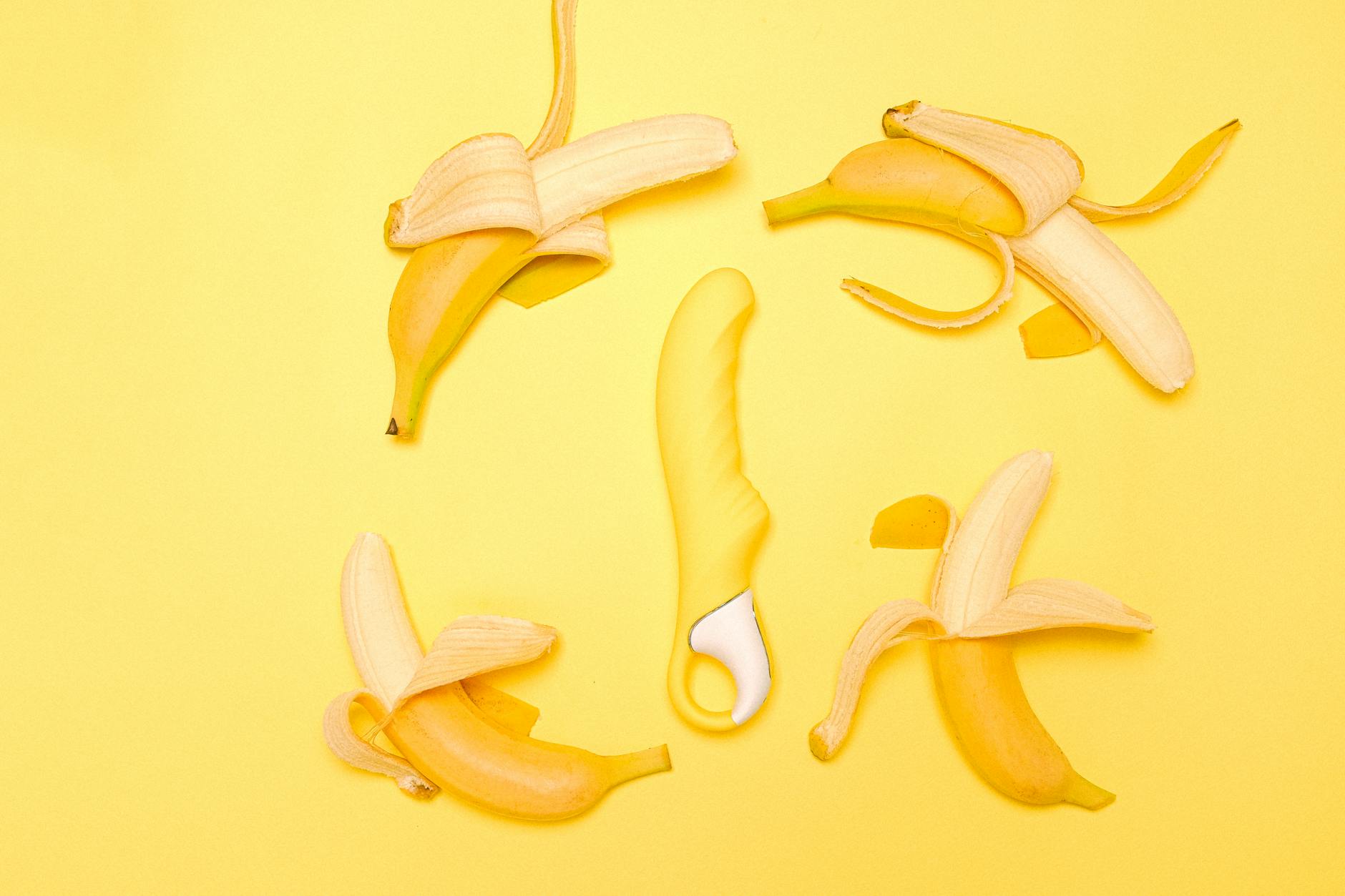
Here's the thing nobody tells you about arousal timing
Your body isn't broken because arousal takes longer now. It's probably just operating under different conditions than it used to. Life stress, hormonal shifts, relationship changes, medication side effects, age, and plain exhaustion all slow the arousal process. And slow arousal paired with a lemon vibrator isn't a mismatch. It's actually an opportunity to work smarter.
The trick is knowing what you're working with. When you understand what's actually happening in your body during that slower warm-up phase, you can set up your environment, your timing, and your tool use in ways that actually accelerate things without forcing.
What's actually happening during slow arousal
Arousal isn't one switch. It's more like a dimmer that moves at different speeds depending on what's affecting your nervous system. Blood flow to your genitals takes longer to accumulate when you're stressed, tired, or dealing with hormonal transitions. Your brain's involved in a hundred other thoughts. Your pelvic floor might be holding tension.
Meanwhile, a clitoral vibrator like the Lem is designed to work with direct stimulation right from the start. When your body hasn't warmed up yet, that intensity can feel too sharp, too much, or just not quite right. This isn't a sign to abandon the tool. It's a sign to build a different entry sequence.
Here's what changes physiologically: blood vessel dilation takes 10 to 15 minutes instead of five. Vaginal lubrication might start slower. Clitoral engorgement (the tissue actually swelling slightly as blood pools there) happens gradually. Your nervous system needs time to shift from sympathetic (stressed, alert) into parasympathetic (relaxed, receptive).
The lemon vibrators at Hello Nancy work exceptionally well for delayed arousal because the suction mechanism doesn't depend on you being at peak sensitivity the moment you start. You can use lower intensity patterns while your body catches up.
Build the mental container first
Before you even think about reaching for your lemon vibrator, the real work is mental setup. You cannot accelerate arousal if your brain is still processing the day. This is worth taking seriously.
Give yourself permission to have a transition phase. Not foreplay, not yet. Just a buffer. Fifteen minutes minimum where you're not trying to feel anything, just shifting your attention inward. This can be a bath, music, journaling about what you're releasing, or literally just lying still with your eyes closed.
Then name what might be slowing you down. Is it stress? Are you worried about performance? Is your partner expecting something from you? Is your body still recovering from something? The arousal timeline gets longer when you're carrying unspoken anxiety. If you can identify it, you can work around it.
If you're partnered, this is a conversation to have before things start. "I need about 20 minutes of focused time to warm up right now" is wildly different from "I'm broken and we should just skip this." One opens a door. The other closes it.
Start lower, stay longer
When arousal is slower, the instinct is often to jump straight to intense patterns hoping to shortcut the process. That backfires. Your lemon clitoral vibrator will work better if you respect the timeline and start at lower intensity.
Pattern one or two on a lemon sucker gives you stimulation without overwhelming tissue that hasn't engorged yet. Stay there for five to seven minutes. Your body is actually warming up during this time even if it doesn't feel like it's "working." The vibration is encouraging blood flow and beginning the cascade that turns on arousal.
Most people find that if they sit with lower intensity long enough, the sensation actually changes. It shifts from feeling generic or numb to starting to feel good. That's the signal to gradually increase intensity. You've waited for your nervous system to catch up.
If you move to pattern three or four before that click happens, you're just chasing sensation instead of building it. The whole point of a lemon vibrator when arousal is slow is that you don't have to white-knuckle your way to feeling something. You can let the tool do the work while you wait.
Lubrication becomes your actual best friend
Slow arousal often means slower natural lubrication. This is not a reflection on your desire or capacity. It's just biology. And it changes everything about how your lemon clitoral vibrator feels.
Without adequate lubrication, the suction sensation can feel sticky or uncomfortable instead of smooth. With it, the whole experience changes. You get better glide, less friction, more comfort, and honestly, more pleasure.
Use water-based lubricant. Generously. Apply it before you start, and reapply if things feel dry mid-session. This isn't cheating or a sign something's wrong. It's you working intelligently with your body's actual needs right now.
Interestingly, the lube itself can help speed arousal because it removes friction anxiety. Your body relaxes more when it's not bracing for discomfort. And relaxation is literally what lets arousal build faster.
Time of day and energy management matter
If arousal is slow in general, timing becomes strategic. Most people have a window where their nervous system is most receptive. For some, that's morning after coffee but before the day starts. For others, it's evening but with a buffer after dinner and work thoughts.
Try having your lemon vibrator session at the time when you historically have the most mental space and lowest stress. Not the time you think you "should" be interested. Not the time your partner prefers. The actual time your body is most available.
This might mean shifting the rhythm of your relationship. That's okay. Slow arousal often improves dramatically when you stop fighting against your actual biorhythms.
If you're managing slow arousal alongside a partner, this becomes a conversation about what turns you both on about the pace itself. Some couples find that longer warm-up time actually deepens connection because it's less goal-driven and more exploratory. How to Use a Lemon Vibrator With Your Partner After Reconnecting covers that dynamic in detail.
When to check if something else is going on
Slow arousal that's new or getting worse deserves attention. If arousal was faster before and it's changed significantly in the past few months, there's usually a reason. Medication changes, hormonal shifts, relationship stress, depression, anxiety, or unresolved physical pain can all extend the arousal timeline.
If you're also experiencing pain, numbness, or zero interest even after you've built time and space, talk to someone. A healthcare provider or sex therapist can help identify what's underneath. Sometimes it's something simple like a medication adjustment. Sometimes it's something bigger that benefits from support.
Slow arousal becomes a real problem only if it's distressing or paired with other symptoms. By itself, slower warm-up time is just information about your body right now. And information lets you adjust your strategy instead of blame yourself.
The pleasure is still there, just on a different timeline
Here's what I've seen repeatedly with clients: when people stop fighting slow arousal and start building for it, the eventual pleasure is often deeper than it was when everything was fast. Slow arousal forces you to actually pay attention. It gets you out of your head and into sensation.
Your lemon vibrator is perfect for this because it gives you a tool that works across intensity levels. You're not stuck choosing between bored and overstimulated. You can sit in the middle for as long as you need.
What matters is that you're giving yourself actual permission to have a different timeline than you had before or than someone else has. That permission changes everything.
People also ask
Does slow arousal mean I'm not attracted to my partner?
Not necessarily. Arousal speed is affected by stress, fatigue, hormones, medications, and emotional safety way more than it's affected by actual desire. You can be very attracted to someone and still need 20 minutes instead of five to warm up. The two things are separate.
Why does my lemon vibrator feel numb at first?
Your tissue hasn't engorged yet. When clitoral tissue fills with blood during arousal, sensation changes dramatically. If your lemon clitoral vibrator feels muted at the start, you're probably just in the early warm-up phase. Lower intensity for longer usually solves this. If numbness persists even after arousal has built, that's worth discussing with a healthcare provider.
Can lubrication actually make arousal build faster?
Yes, in a real way. Lube removes friction and the anxiety about discomfort that comes with it. When your body isn't bracing for pain, your nervous system relaxes more completely. Relaxation is what allows arousal to accelerate. It's not a shortcut. It's removing a brake.
Should I use my lemon sucker every day if arousal is slow?
Not necessarily. If slow arousal is new or stressful, daily use might build pressure and make the problem worse. But regular, low-pressure exploration where you're not trying to achieve anything specific can actually help your nervous system learn to warm up more smoothly over time. The key is removing the goal.
Is there a medication that helps slow arousal?
There are a few. If you're on SSRIs, some people find that a dose adjustment or a different medication helps. Testosterone therapy can help in some cases. Talk to your doctor about whether medication changes might be relevant to your situation. Sometimes the solution is in front of you. Sometimes you need support.
How long should I wait before trying my lemon vibrator if arousal feels stuck?
If you've given it 15 to 20 minutes and nothing is shifting, you're probably not going to force it that session. That's not failure. That's your body saying not right now. Sometimes arousal needs more space, different timing, or something else to change in your life first. Patience with this builds trust in your own signals instead of teaching you to ignore them.