
Here's what nobody tells you about pleasure after 50
Your body changes. Your desire doesn't have to. But most conversations about sex and aging skip right over the useful middle ground and land in either "everything still works exactly the same" or "this chapter is closing." Both miss what's actually happening.
After 50, pleasure becomes different. Not less. Different. And once you understand what's shifting physically, you can work with your body instead of against it.
What actually changes after 50
Let's separate fact from folklore. Estrogen and testosterone both decline gradually. This affects blood flow to genital tissue, which means arousal can take longer and lubrication might need support. The skin in and around the vulva becomes thinner and more fragile. The clitoris itself doesn't shrink or lose sensation, but the tissue around it changes, which can mean stimulation that felt perfect at 35 feels too sharp or scattered at 55.
What doesn't change: your neural wiring for pleasure, your capacity for orgasm, your brain's sensitivity to the sensations that have always worked for you.
Many of my clients over 50 report their most intense, focused orgasms happen after menopause. This isn't polite reassurance. It's a consistent clinical pattern. When you remove the hormonal noise and the decades of performing for someone else, pleasure often becomes sharper and more direct.
Why a lemon vibrator works particularly well now
A lemon clitoral vibrator like the Lem uses air-suction technology instead of direct vibration. Here's why that matters at 50 and beyond.
Direct vibration on thinner, more delicate tissue can feel intense or even uncomfortable. Air suction stimulates the same nerve endings but distributes the pressure more gently across the clitoral area. You get consistent, building stimulation without the percussion feel that can overwhelm sensitive tissue. For lemon sexual toys and lemon sucker designs specifically, the sensation is concentrated but diffused, which means you can build arousal steadily instead of jumping from nothing to overwhelming.
The other reason lemon vibrators work: they allow you to control the intensity completely. At 50, your body may need patterns 1 or 2 where you once needed 4 or 5. That's not a loss. That's access to sensations you couldn't isolate before.
The physical setup that actually helps
Three foundational things matter more now than they did twenty years ago.
Lubrication is non-negotiable. Not because you're broken, but because your tissue is thinner and deserves support. Water-based lubricant works best with silicone toys like the lemon vibrator and other adult toys in Hello Nancy's Savo's collection. Apply generously and reapply as you go. This removes friction-related irritation and lets you focus on sensation instead of discomfort.
Warm-up time expands. Arousal that built in five minutes at 35 might take 20 at 55. Budget for it. Foreplay, partnered touch, fantasy, whatever works for you. Your clitoral tissue needs time to engorge and become responsive. Rush it and you'll feel numb. Give it space and sensation builds steadily.
Start at lower intensity. If you're new to a lemon vibrator or returning to toys after a gap, begin with pattern 1 or 2 and work upward. Your nervous system will tell you when it's ready to escalate. Rushing intensity can create a refractory period where sensation feels dead for hours afterward.
How to rebuild trust in your own sensations
The biggest shift after 50 isn't physical. It's psychological. Many people internalize a story that pleasure is "for younger people" or that their body has become unreliable. That story kills more orgasms than biology ever could.
Start by spending time with your body alone. Use your lemon clitoral vibrator without an outcome in mind. Not to orgasm. To explore. What patterns feel different than you remember? Where does sensation concentrate? How long does arousal actually take to build now? This information is gold.
If you have a partner, separate the conversation about physical change from the conversation about desire or connection. "My body is responding differently to stimulation" is a different discussion than "I want us to reconnect." Confusing them turns both into dead ends.
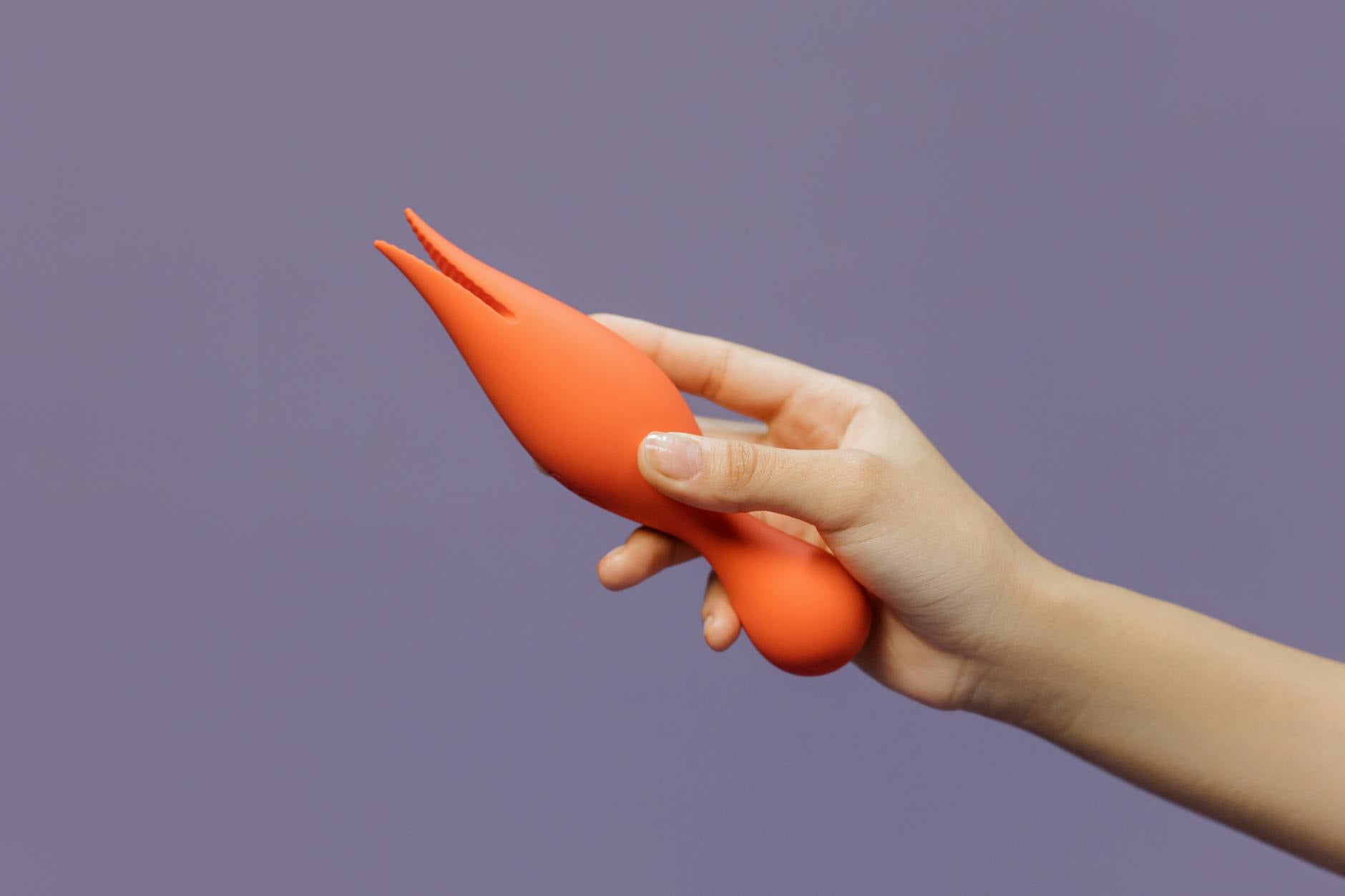
Photo by cottonbro studio on Pexels
Why sensation might feel numb at first
This is the question I hear most often from clients over 50. "I'm using a lemon vibrator but sensation feels muted compared to how I remember." Three reasons this happens.
First, expectation mismatch. You're comparing sensation now to sensation from two decades ago, which is like comparing a current song to your favorite from high school. The song hasn't changed, but you have. Let go of the comparison.
Second, nervous system habituation. If it's been a while since you've used toys or prioritized pleasure, your nervous system literally needs time to remember how to pay attention. Keep going. Sensation deepens over weeks, not days.
Third, physical readiness. If you jumped from zero arousal to a lemon vibrator at high intensity, your clitoris isn't engorged enough to feel responsive. Back up. Spend longer on warm-up. Use water-based lubricant generously. Then try again.
When partners are involved
If you have a partner, using a lemon vibrator during partnered sex changes the dynamic. It's not a sign that something's wrong. It's a tool for pleasure.
Introduce it as an exploration, not a replacement. "I want to try this together to see what feels good now" reframes it as expansion instead of repair. Many people over 50 find that adding clitoral stimulation during partnered intercourse increases pleasure significantly, not because intercourse stopped working but because their body now responds better to combination stimulation.
The other shift: take pressure off your partner. If you're responsible for your own arousal via a lemon sexual toy, your partner gets to focus on their own sensation and connection instead of the burden of being your sole source of stimulation. That often deepens intimacy in unexpected ways.
When to check in with a provider
Pain during or after sex isn't normal at any age. If a lemon vibrator causes discomfort, stop and get evaluated. Genitourinary syndrome of menopause is treatable. Topical estrogen, vaginal moisturizers, or other interventions work quickly. You don't have to white-knuckle through discomfort.
If desire has disappeared entirely and isn't returning with exploration and time, testosterone therapy is worth discussing with a menopause-trained doctor. It's prescribed conservatively in the US but can be life-changing for the right person.
Similarly, if orgasms feel painfully intense or tender, that's worth mentioning. Often it means you're building arousal too quickly or intensity is too high. Pacing and pattern adjustments usually fix it. But a provider should know.
The pleasure phase nobody prepares you for
Here's what I've witnessed across two decades of practice: people often experience their most satisfying sexual phase of their lives somewhere between 50 and 70. Not because the body gets better, but because the mind gets clearer.
The decades of self-consciousness, performance pressure, fertility anxiety, and comparison finally lift. You know your body. You know what you actually want instead of what you think you should want. You have permission to take pleasure seriously because you're past the point of explaining it to anyone.
A lemon vibrator, for many people, becomes the tool that bridges the gap between knowing what you want and accessing it reliably. It works with your body's current capacity instead of demanding the impossible.
Your pleasure didn't expire at 50. It evolved. Learning to work with that evolution, instead of mourning what changed, is where the real satisfaction lives.
People also ask
Is it normal for sensation to feel different after 50?
Completely normal. Declining estrogen and testosterone affect blood flow and tissue thickness. Your clitoris doesn't lose sensation, but the tissue surrounding it changes, which can mean stimulation that felt perfect at 35 feels too sharp or scattered at 55. This isn't malfunction. It's your body signaling that your approach needs to adjust. Lower intensity, longer warm-up, and consistent lubrication usually bring sensation back into focus quickly.
Can you still have orgasms after 50?
Yes. Many people have their strongest, most reliable orgasms after 50. The neural pathways for pleasure don't expire. What changes is how your body builds arousal and what type of stimulation works best. A lemon clitoral vibrator often works better now because air-suction technology is gentler on thinner tissue while still delivering consistent stimulation.
How long should warm-up take at 50 and beyond?
Budget 15 to 30 minutes. Arousal that built in five minutes at 35 often takes longer as blood flow and hormone levels change. This isn't a bug. Many people find that extended warm-up creates deeper, more sustained pleasure than the quick build they remember. Use this time for foreplay, fantasy, partnered touch, or solo exploration.
Will a lemon vibrator help if I've been on antidepressants or birth control?
Often, yes. Medications can dull sensation and delay arousal. A lemon vibrator's combination of gentle, consistent stimulation and adjustable intensity helps many people reconnect with sensation after pharmacological changes. Start at low intensity and give your nervous system time to respond. If numbness persists after several sessions, talk to your provider about timing or dosage.
Should I tell my partner I want to use a lemon vibrator?
That depends on your relationship dynamic. If you have a partner you're intimate with, involving them in the exploration often strengthens connection. Framing it as "I want to explore what feels good in this phase of my life" is different than "something's wrong with us." Many couples find that adding a lemon sexual toy to partnered sex increases pleasure for both people and removes performance pressure. If you're not ready to share, solo exploration is equally valid.
What if I haven't used toys in decades?
Start slow and give yourself grace. Your nervous system needs time to remember how to respond. Use a water-based lubricant generously. Begin at the lowest intensity setting on your lemon vibrator. Spend time exploring without an outcome in mind. Sensation deepens over weeks as your body remembers and your mind settles into permission. If discomfort appears, stop and reassess. If numbness persists, check in with a healthcare provider.
The shift into your 50s and beyond doesn't close the door on pleasure. It opens a different one. Understanding what changed, working with your body's current capacity, and giving yourself permission to explore unfamiliar territory is where the real satisfaction lives. A lemon vibrator becomes less about solving a problem and more about meeting yourself where you actually are right now.