
The thing nobody says out loud
When your partner resists the idea of a toy, the resistance isn't usually about the toy. It's about what they think the toy means. And you won't fix that by explaining specifications or purchase options. You fix it by naming the fear.
That's where most conversations go sideways. One person launches into "It'll feel amazing" and the other hears "I'm not satisfied with you." Two different conversations, one dead end.
What's actually underneath the skepticism
I've had this conversation with hundreds of couples, and the fears fall into about four buckets. None of them are ever stated directly. They sound more like "I don't know, I just feel weird about it" or "It seems unnecessary."
Here's what I actually hear:
"Does this mean I'm not enough?" Your partner worries that needing a lemon vibrator means they've failed at their core job. That you're outsourcing pleasure to a device. This one sits deepest because it's about inadequacy, and nobody wants to admit they feel inadequate.
"Will you prefer the toy to me?" There's a fear, sometimes conscious and sometimes not, that you'll orgasm more easily with a device than with them. That they'll become optional.
"This is too forward for us." Some partners have a narrative about what "normal couples" do. Toys live outside that narrative. Introducing one feels like stepping off a map.
"I don't understand what it does." Genuinely, some of the skepticism is just confusion. The Lem or any lemon sucker vibrator works differently than traditional vibrators. That difference can feel foreign or clinical.
One or all of these might be true for your partner. Naming them is the move that changes everything.
How to start the conversation without defensiveness
Timing matters here. Not during sex, not right after you've been disappointed, not when you're already frustrated. Pick a quiet moment where you're both actually available to listen. Saturday morning coffee. A walk. The car.
Start with something like this: "I've been thinking about bringing this up, and I'm a bit nervous about it. Not because I'm upset, but because I want to get it right. Can we talk about sex toys for a minute?"
That opening does two things. First, it signals you're nervous too, which lowers their defenses. Second, it names that you care about how they feel. You're not steamrolling.
Then you say something like: "I know you might feel weird about this, and I actually get why. I think there might be some stuff underneath the weirdness, and I want to talk about that instead of just pushing the toy idea."
Then you ask: "What would me using a lemon clitoral vibrator mean to you? Like, what's the fear?"
Listen to the answer without defending yourself. If they say "I feel like I'm not enough," don't jump in with "That's not true." Just say: "Okay. That makes sense that you'd feel that. Let me tell you what I actually experience."
The reframe that actually lands
Once you understand the fear, you can address it directly. And here's the thing about lemon sexual toys specifically: they're genuinely easier to reframe than traditional vibrators because of how they work.
A lemon sucker or lem vibrator doesn't replace what a partner does. It's a different sensation entirely. It's suction and pulsing, not the kind of internal or deep external pressure you'd get from partnered sex. It's orthogonal, not competitive.
You might say something like: "A lemon vibrator isn't about replacing you. It's about a sensation I can't get any other way. It's like the difference between a massage therapist and your hands on my shoulders. I want both. They're not the same thing at all."
Or, if the fear is about orgasm ease: "The truth is, my body responds to different kinds of touch at different times. Sometimes I need a lot of time to get there with a partner. Sometimes I need something very specific. That's not about you being not enough. That's just how sensation works. You can actually be in the room the whole time."
Then you might add: "I want to feel good. And I want you here with me while I do. Those two things aren't opposed to each other."
That reframe lands because it's true and because it's not asking them to disappear from the picture.
Bringing them into the experience (if they're open to it)
Once the conversation shifts from "you're pushing something on me" to "you actually want us both in this," some partners become curious. Not all, and that's fine. But some will want to know more.
If your partner starts leaning in, offer to show them how a lemon clitoral vibrator actually works. Not on you, necessarily. Just the sensation on their hand or wrist. Let them feel the suction, the pulsing. Demystify it.
You might say: "Feel how gentle this is. It's not some aggressive thing. It's actually pretty focused and precise." Watching them realize it's not what they imagined can shift everything.
If they're interested in being present while you use it, ask what that looks like for them. Do they want to watch? Touch you at the same time? Use it on you? Be in the room but give you space? There's no single right answer, but asking shows you care about their comfort as much as your pleasure.
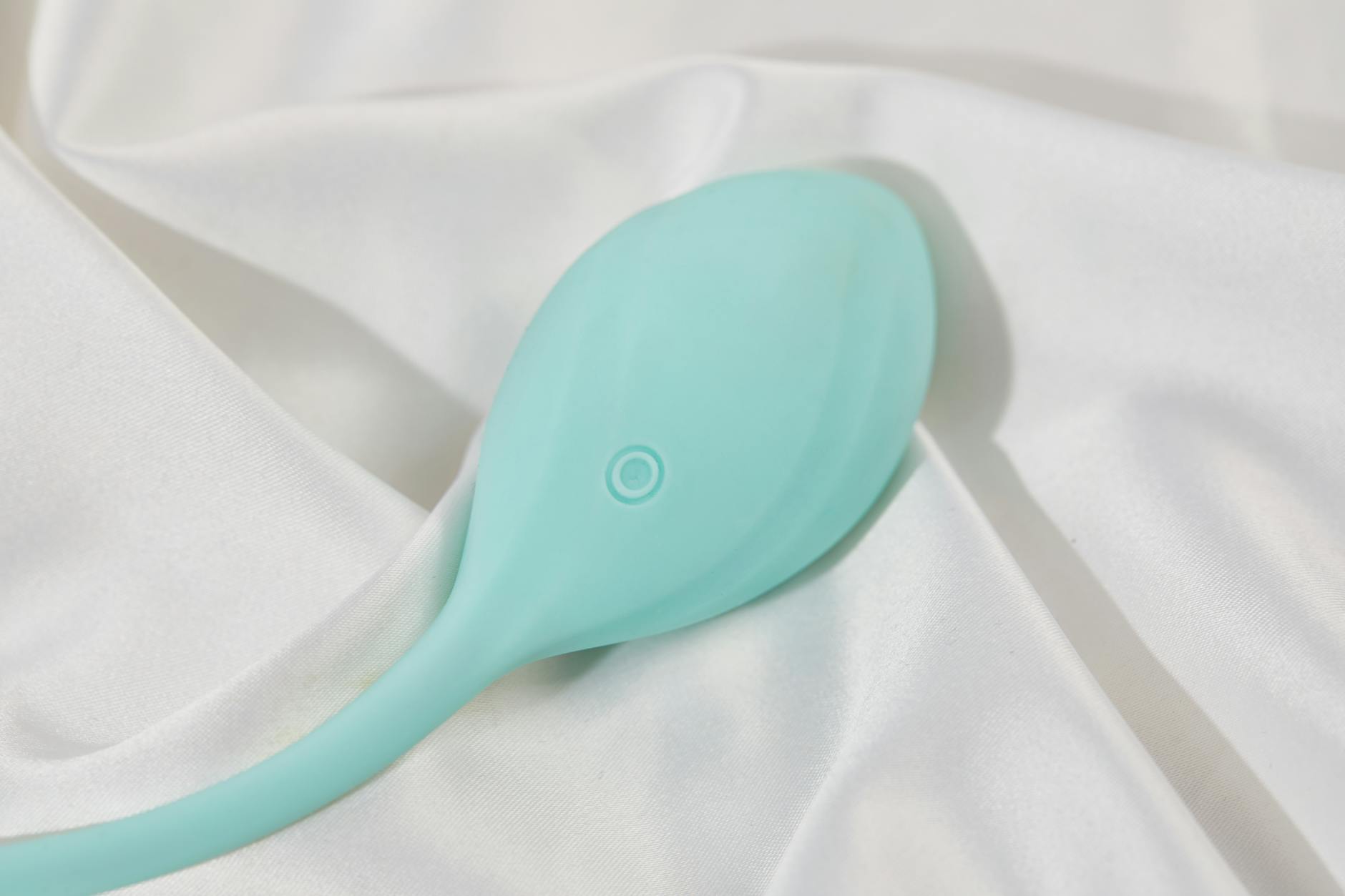
Photo by IFONNX Toys on Pexels
What not to do (the moves that backfire)
Don't shame them for being uncomfortable. "It's just a toy, you're being immature" will make them dig in harder. They're not immature. They're protecting something that feels fragile.
Don't sneak it in. Introducing a lemon vibrator secretly or without conversation is the fastest way to confirm every fear they had. It's a betrayal, and it will damage trust.
Don't make it an ultimatum. "If you won't support this, we have a problem" might be true eventually, but it's not true now. Now you're just collecting information.
Don't over-explain the mechanics. They don't need a TED talk on how lemon sucker technology works. They need to know what it means for your partnership.
The middle path (if they stay skeptical)
Here's the honest truth: some partners will come around, and some won't. Not because they're rigid or afraid forever, but because the timing or the relationship isn't ready. And that's information too.
If your partner stays uncomfortable after you've had the real conversation, you have choices. You can use it alone. You can wait a bit and circle back. You can decide this is a dealbreaker and act accordingly. But you do it from a place of having actually tried to connect, not from frustration.
When I work with couples, the partners who come around are usually the ones who feel heard first. They don't need to want the toy. They just need to feel like their partner genuinely understands why they're scared.
When this isn't just about the toy
Sometimes the resistance to a lemon clitoral vibrator is pointing to something bigger: mismatched desire, disconnection, or a partner who struggles with your pleasure mattering equally to theirs. If the conversation reveals that, then the toy is secondary. You're actually looking at a relationship issue that might need a couples therapist, not a better sales pitch.
That's okay to discover. It's actually valuable. At least now you know.
But in most cases, when you name the fear, listen to it, and reframe the toy as something that enhances your shared experience rather than replacing your partner, skepticism softens. Not always into enthusiasm. Sometimes just into "okay, I get it now."
And that's often enough to move forward.
FAQs
What if my partner feels threatened because I want to use it during partnered sex?
That's a specific conversation worth having. You might frame it like this: "I'd like to use this while we're together because it gives me a sensation I can't get otherwise, and I want to experience that with you here." The key is emphasizing the "with you" part. Some partners find that watching and being part of the experience actually brings them in closer rather than pushing them away. But you won't know until you ask what that would feel like for them.
Can I use a lemon vibrator if my partner doesn't approve but I don't want to hide it?
Yes, and that's a boundary worth holding. You can say: "I've listened to your concerns, and I hear you. I'm going to make this choice for myself anyway, because my pleasure matters." That's different from sneaking it, which is deceptive. Being clear and direct is honest, even if your partner dislikes the decision.
How do I know if my partner's skepticism is actually about my pleasure or about their insecurity?
Listen to the language. If they're saying things like "You don't need that," they're focused on the tool. If they're saying "I'm worried I'm not enough," they're pointing to insecurity. Insecurity is addressable through conversation. Dismissiveness is a different problem. You can explore which one you're actually dealing with by asking directly: "Are you worried this means I'm unhappy with you?" Their answer will tell you a lot.
What if my partner tries to compromise by suggesting I only use a lemon sucker alone, never around them?
That's a boundary check. You can honor that if you want to. But also know that this restriction might point to unresolved discomfort that won't actually go away on its own. You might say: "I hear that this feels big. What if we took some time and then revisited this? I'd love to find a version of this that feels okay to you." Sometimes a middle ground emerges naturally. Sometimes you need to decide what you need.
How long should I wait before bringing this up again if my partner says no the first time?
Wait at least a few weeks, maybe a month. Don't table it forever, though, because that sends the message that you've given up on something that matters to you. Revisit it when you've both had some space and when you can bring new information (maybe a magazine article, or just a shift in how you frame it). The second conversation is often calmer.
Does introducing a lemon vibrator actually improve sex in a relationship?
It can. But only if the underlying communication is solid. If you and your partner can talk about pleasure, vulnerability, and desire openly, then introducing a lemon clitoral vibrator usually adds a new dimension. If you can't talk about those things, the toy becomes a symbol of the real problem. Fix the communication first.
The larger point
Your partner's skepticism isn't a wall. It's an opening. It's a chance to talk about pleasure, adequacy, desire, and what you both actually need in a partnership. Those conversations don't happen naturally. You have to build the space for them.
Introducing a lemon vibrator is just the occasion. The real work is showing your partner that their concerns matter and that you're not asking them to disappear from your pleasure. You're asking them to share it differently.
That's a conversation worth having, and it's worth having well.
Ready to start the conversation? Get in touch if you'd like to talk through how to approach it.