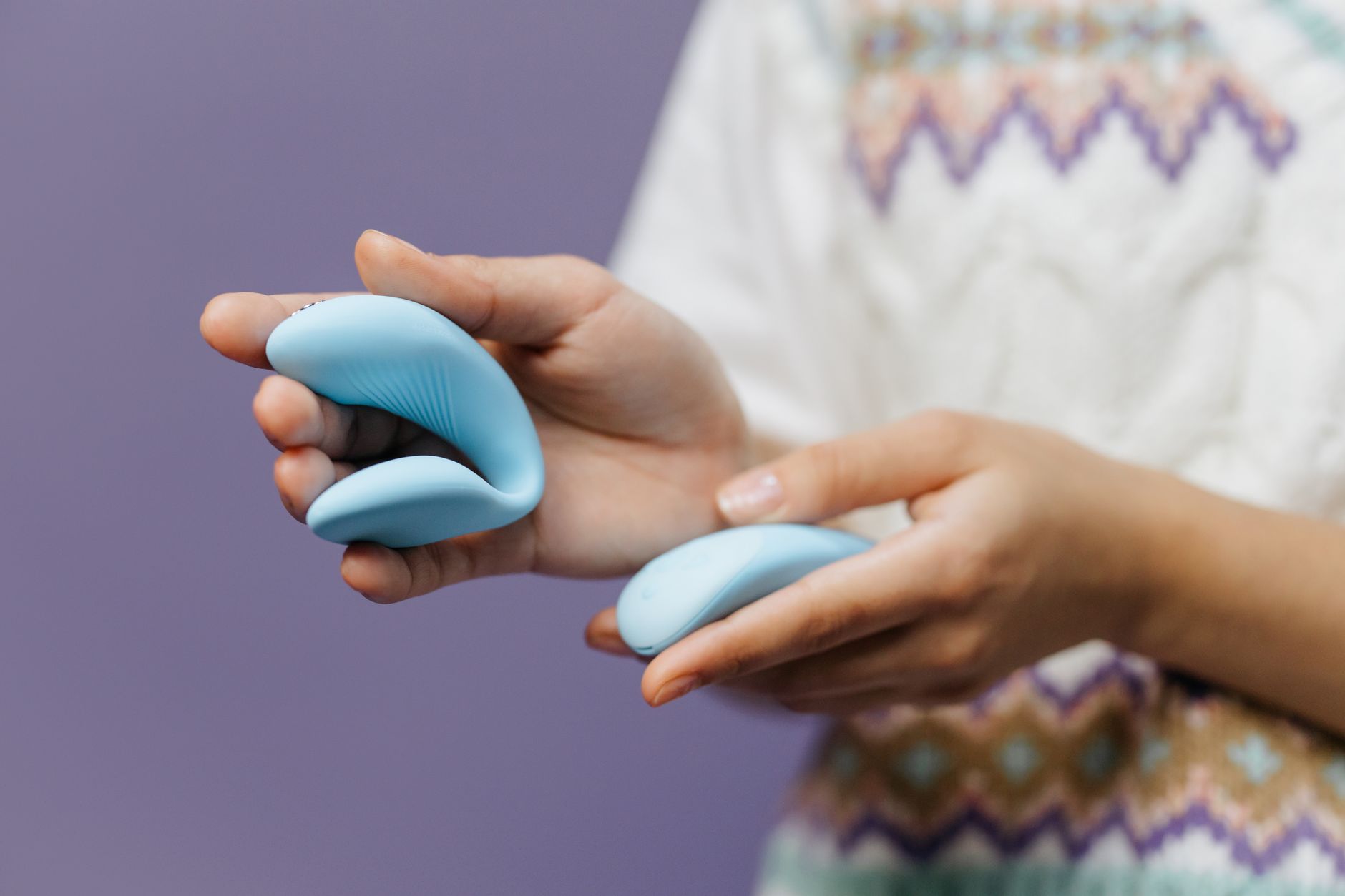
Let's stop pretending all vibrators are the same
Walk into the world of clitoral vibrators and you'll hit two major camps fast. There are the traditional vibrators (bullets, wands, rabbits, and standard rotators). And then there are lemon vibrators—the sleeker, newer designs that use air-suction technology instead of simple vibration. Both work. Neither is "better" in a vacuum. But they feel wildly different, and one might be exactly what your body wants while the other leaves you cold.
The real question isn't which one is objectively superior. It's which one matches how your body actually responds to stimulation.
How traditional vibrators actually work
Traditional vibrators rely on oscillation: a motor hums at a set frequency and moves back and forth. That mechanical vibration travels through the toy and into your tissue. Think of it like a tuning fork. The repetition creates stimulation through direct, consistent contact.
The range matters here. A standard vibrator might offer five to ten speed settings, and intensity typically scales linearly. Faster equals more intense. Many people love this straightforward intensity curve. You know exactly what you're getting at speed three versus speed seven.
Wands offer broad contact and work beautifully for external stimulation over a wide area. Bullets are compact and precise. Rabbits combine external and internal sensation. Each shape matters because it changes how the vibration reaches your nerves.
The tradeoff: traditional vibrators can feel buzzy, especially at higher speeds. Some people describe it as almost numbing over time. Others find that numbness is actually protective when sensation is too intense. It depends on your wiring.
What lemon vibrators do differently
Lemon clitoral vibrators work through air-pulse technology, sometimes called suction stimulation. Instead of vibrating, the toy creates gentle waves of suction and release. It's not actually sucking in the literal sense. It's more like a rhythmic micro-pulse that draws the tissue up into the chamber and releases it, over and over.
The sensation reads completely differently than vibration. Where vibration feels percussive and external, suction feels more gathering and internal. Many people describe it as more intense, more focused, and capable of building sensation in ways traditional vibrators can't match.
Here's the thing that matters: suction-based lemon sexual toys don't numb in the same way. Because the mechanism is drawing tissue up rather than buzzing it, stimulation feels fresher even after ten, twenty, thirty minutes of use. That's not a marketing claim. That's physiology. The sensation doesn't fatigue the same way.
Lemon vibrators also typically offer fewer "speed" settings—usually three to five patterns—but the patterns themselves are more complex. You might get a steady pulse, a climbing pulse, a wave pattern. Each one creates a subtly different rhythm and intensity curve.
Sensation profiles: which one matches your body
Traditional vibrators work best if:
- You want straightforward, predictable intensity that builds smoothly.
- You prefer broad stimulation over a wider area (wands).
- You enjoy the precision of a small, direct toy (bullets).
- You like internal and external combo play (rabbits).
- Your clitoris is less sensitive and responds well to consistent vibration.
- You want to numb sensation intentionally, which some people need when sensitivity is overwhelming.
Lemon clitoral vibrators work best if:
- You want a more complex, rhythmic sensation that feels less mechanical.
- Your pleasure builds better with waves and patterns rather than steady intensity.
- You've found that traditional vibration leaves you plateau-ing without reaching orgasm.
- You need sustained stimulation without the fatigue that comes with prolonged buzzing.
- You like the idea of a more compact, focused tool.
- You're sensitive and want something that feels more alive and responsive.
Honestly? Most people benefit from owning both. A wand handles certain moods. A lemon sucker handles others. They're not competing. They're different languages your pleasure might speak depending on the day.
The material and feel factor
This gets overlooked, but it matters. Traditional vibrators come in endless materials: silicone, plastic, glass, metal, rubber compounds. That choice affects how sensation travels through the toy into your body.
Lemon vibrators almost always use medical-grade silicone because the suction mechanism requires an airtight seal between the chamber and your tissue. That silicone is typically softer and more body-responsive than the plastics you find in cheaper traditional toys. The feel in your hand and against your skin is objectively more pleasant.
If you have tactile preferences (you like how something feels to hold, the weight, the texture), that material difference might matter more than the mechanism itself.
The noise question
Traditional vibrators range from whisper-quiet to noticeably loud depending on the motor quality. High-quality wands and bullets can run loud, which matters if you're noise-conscious.
Lemon vibrators are typically quieter because they're not using a motor that oscillates thousands of times per minute. The air-pulse mechanism is gentler on acoustics. If discretion is important to you, this is worth weighing.
Battery life and charging
Here's where traditional vibrators usually win. A basic vibrator runs for hours on batteries or a quick charge. Lemon vibrators demand more power because the suction mechanism is energy-intensive. Expect 60 to 90 minutes of continuous use before recharging. For many people, that's plenty. For others, it's a dealbreaker if you want longer sessions.
Price and accessibility
Traditional vibrators start at twenty dollars and scale up from there. You can get a quality bullet for under fifty. Wands range from thirty to eighty.
Lemon vibrators start higher, usually around sixty-five to eighty-nine dollars for a Hello Nancy's Savo lemon sucker. The tech is newer and the manufacturing cost is higher. If budget is tight, a solid traditional vibrator is the practical choice. If you have room in your pleasure budget and want to explore something new, the investment often pays off in sensation.
Partner play considerations
Traditional vibrators integrate more naturally into partnered sex because they come in endless shapes and sizes. You can use a bullet during intercourse. A wand works beautifully for foreplay. A rabbit pairs naturally with penetration.
Lemon clitoral vibrators are more specialized. They're designed for dedicated external stimulation. Some partners love the ritual of using one together. Others find the specificity limiting. Think about whether you want a toy that adapts to multiple scenarios or one that does one thing exceptionally well.
How to actually decide
Start by asking yourself: What does my pleasure need right now? Not what's trendy or what your friend recommended. What does your body actually crave?
If you've never used a toy before, a traditional vibrator is probably the gentler entry point. You learn your preferences without the complexity of a new mechanism.
If you've used vibrators for a while and feel like something's missing, a lemon vibrator might be exactly the pivot your pleasure needs. That plateau-ing sensation? Suction often breaks it.
If you're choosing between one or the other due to budget, pick the traditional vibrator. A good one will work reliably. Once you know your body better, upgrading to a lemon sexual toy becomes an informed choice rather than a gamble.
FAQ: Your actual questions answered
Are lemon vibrators better for orgasm than traditional vibrators?
Not universally. Some people orgasm more easily with suction. Others find their most intense orgasms come from traditional vibration. Your nervous system decides, not the toy manufacturer. The right tool is whichever one matches your wiring.
Can I use a lemon clitoral vibrator during intercourse with a partner?
Technically, yes. Practically, it's trickier than a bullet or wand because of the suction mechanism. If you and your partner are deliberate about positioning, it works. Most people find it easier to use during foreplay or after.
How long does a lemon vibrator actually last before it needs recharging?
Most lemon sucker toys run 60 to 90 minutes on a full charge. Exact duration depends on the pattern intensity you're using. Higher intensities drain faster. Plan accordingly if longer sessions matter to you.
Do lemon vibrators work if you have lower sensation or numbness?
Yes, often better than traditional vibrators. The suction creates a different type of stimulation that sometimes reaches pleasure where vibration can't. That said, if numbness is severe, you might need both types to explore what your body can still feel.
Is the suction uncomfortable or painful?
Not when used correctly. The sensation is gentle gathering, not aggressive pulling. Start at the lowest pattern and let your body adjust. If it ever feels painful, you're likely positioning it wrong or using intensity that's too high for your tissue right now.
Which is easier to clean and maintain?
Both are straightforward. Traditional vibrators wipe down easily depending on material. Lemon vibrators require the same care plus ensuring the suction chamber stays dry and free of debris. Neither demands special maintenance beyond basic hygiene.
The honest answer
You're not choosing between good and bad. You're choosing between two completely valid approaches to clitoral pleasure. Your job is to notice what your body actually wants, not what marketing tells you is better. If that's a classic vibrator, beautiful. If it's a lemon clitoral vibrator from Hello Nancy's Savo, equally beautiful. The goal is pleasure that works for you.