
How to Choose Between a Lemon Sucker and Traditional Vibrators for Clitoral Stimulation
Let's be real. The moment you start shopping for a clitoral toy, you hit a fork in the road. On one side are traditional vibrators that buzz. On the other are air-pulse lemon suckers that feel nothing like vibration at all. Both work. Neither is "better." But which one is better for you depends on three things: how your body responds to different sensations, what your tissue is like right now, and honestly, what turns you on.
I'm going to walk you through the actual differences so you stop guessing and start knowing.
What a Traditional Vibrator Actually Does
A standard clitoral vibrator (like most toys you've encountered) uses rapid oscillation. Think of it as thousands of tiny back-and-forth movements per second. This creates sustained stimulation across a broad surface area of the clitoris.
The sensation is consistent, rhythmic, and intense if you want it to be. You control the pattern and intensity with buttons, and you can hold it still on one spot or move it around. The toy makes direct contact with tissue and transfers vibration energy through that contact.
For people who respond well to vibration, this is immediate and reliable. Orgasms tend to build quickly. The sensation is familiar if you've used vibrators before. You likely know exactly where you want it and how much pressure feels good.
What a Lemon Sucker Does Differently
A lemon sucker doesn't vibrate at all. Instead, it uses air-pulse technology. The toy creates a sealed chamber against your clitoris and then pulses that chamber on and off, generating a suction sensation.
Instead of buzzing, it feels like gentle rhythmic sucking or gentle pressure waves. The sensation is more targeted and concentrated than a traditional vibrator. It stimulates the clitoris and the surrounding tissue through pressure changes rather than direct oscillation.
This is a fundamentally different neurological signal. Your body reads it as something closer to oral contact than to vibration. For many people, this registers as more intense, more localized pleasure. The sensation is often described as deeper.
The Tissue Response Difference
Here's where it gets practical. A traditional vibrator delivers stimulation through constant motion and surface-area contact. If your clitoral tissue is sensitive, irritated, or already somewhat stimulated, direct vibration can feel overwhelming fast. Some people hit a plateau where more intensity doesn't feel better, just numbing.
Air-pulse lemon suckers work differently on sensitive tissue. Because they don't rely on friction or constant mechanical stimulation, they can often feel more comfortable if you're recovering from irritation, if your sensitivity shifts, or if you have nerve conditions that make direct vibration uncomfortable.
This is why air-pulse toys like the Lem are popular with people over 40, with post-menopausal bodies, or with anyone whose tissue has changed. The sensation is gentler on the surface but can feel surprisingly deep.
Sensation Profile You'll Actually Feel
Take a moment and think about what sensations make your body light up. This matters more than what you think you "should" like.
Traditional vibrators feel best if you prefer:
- Sustained, steady stimulation
- Faster build-up to orgasm
- The ability to pin-point exact sensation
- Patterns and rhythmic variation
- More surface-area stimulation
Lemon suckers and air-pulse toys feel best if you prefer:
- A sensation closer to oral sex
- Deeper, more concentrated feeling
- Gentler initial contact that still delivers intensity
- Sucking or pulsing sensations rather than buzzing
- Stimulation that feels less direct but more encompassing
Neither is better. Your body's preference is the answer.
Speed of Orgasm and How That Matters
I've noticed a pattern in conversations with clients. Traditional vibrators tend to get someone to orgasm faster because the signal is immediately recognizable and intense. Lemon suckers sometimes take longer because the sensation is new and your brain needs to learn the pattern.
But here's the thing: once your body learns a lemon sucker, many people report that orgasms feel more satisfying. Not necessarily faster, but deeper and more full-body.
If you're someone who values quickness and knows exactly what works for you, a traditional vibrator saves time. If you're exploring or you want to try something that might feel different, a lemon sucker is worth the learning curve.
Sensitivity and Recovery Considerations
If you have vulvodynia, recovering tissue sensitivity, or any diagnosis where direct stimulation feels painful, talk to your healthcare provider first. That said, many people in recovery find air-pulse lemon sucker toys more comfortable because they're less mechanically intense on tissue.
Traditional vibrators are generally riskier if you're in active recovery because the vibration can over-stimulate healing tissue. But once you're stable, vibrators are fine for most people.
If you have low sensitivity or neuropathy, traditional vibrators with higher intensity settings are often more effective because they deliver more direct nerve stimulation. Lemon suckers can work, but you might need to experiment with positioning to find the right pressure.
Partner Play Differences
If you're using a toy with a partner, the choice changes the dynamic. A traditional vibrator is easier to use during penetrative sex because it's smaller and doesn't require a perfect seal. A lemon sucker needs the right angle and stays external, which changes how partner play looks.
For long-distance or partnered solo play, check out how I covered lemon vibrators in couples dynamics if you want the full picture.
Cost and Durability Questions
Traditional vibrators range wildly in price, from $30 to $300. Most are straightforward to maintain and last years with basic care.
Lemon suckers and air-pulse toys are generally in the $60 to $100 range. They require a bit more care because the seal chamber needs to stay clean and the motor sometimes needs specific charging. But they're durable if you take care of them.
For the investment, a quality lemon sucker like the Lem holds up extremely well and often becomes a favorite because the sensation is so different from what most people try first.
How to Actually Decide
Start with this question: What sensation have you enjoyed before, and what's new that you want to try?
If you've used vibrators and they work great, keep using them. They're proven for your body.
If you've used vibrators and hit a plateau, or if sensitivity has changed, or if you just want to try something completely different, a lemon sucker is worth exploring.
If you've never used any toy before, you could honestly go either way. Traditional vibrators are more intuitive. Lemon suckers feel more novel but also more rewarding once you find the right pattern.
My honest advice to clients: try the one you're most curious about. Curiosity is already half the pleasure. If it doesn't work out, it's never wasted money because you learned what your body doesn't like, and that's valuable information.
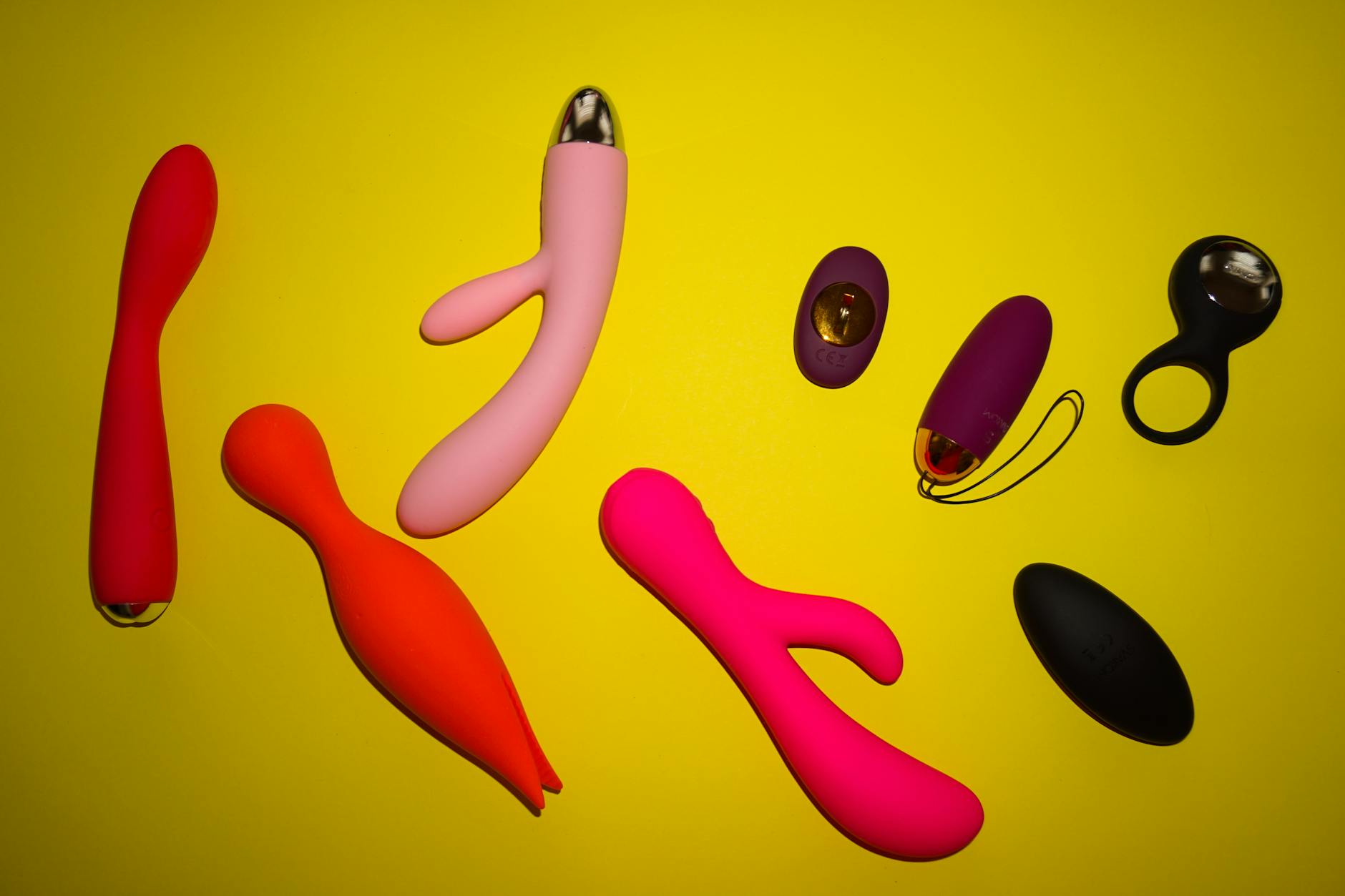
Photo by FounderTips . on Pexels
The Real Answer: Context Matters More Than Type
You might end up loving both. Some people use a lemon sucker for focused, intense sessions and a traditional vibrator for quickies. Others prefer one over the other and never look back.
The goal isn't to pick the "right" toy. It's to pick the toy that makes your body feel the way you want it to feel right now. Your preferences might shift. Your sensitivity might change. Your body's needs are legitimate no matter what they are.
If you're trying to decide between specific products or you want to talk through what might work for your particular situation, I'm here to help. Reach out anytime.
People Also Ask
Can I use a lemon sucker if I've only ever used traditional vibrators?
Absolutely. Your body will need time to adjust to a completely different sensation. Give yourself at least three to five uses before deciding if you like it. The first session often feels weird because it's new, not because it won't work for you. Lubrication helps the seal work better, and starting with a lower setting gives your body time to understand the sensation.
Do lemon suckers actually feel like oral sex?
Some people say yes immediately. Others say the sensation is its own thing and not quite the same as oral sex, but pleasurable in a similar way. The closest comparison is a gentle suction feeling rather than the exact texture of a tongue. If you're hoping to replicate oral sex exactly, you'll be closer with a tongue-shaped vibrator, but many people find lemon suckers feel surprisingly intimate and mouth-like.
What if I have a clitoral hood that's very pronounced?
If your clitoral anatomy makes it hard for toys to make direct contact, lemon suckers can actually be helpful because the seal chamber can work around different tissue shapes. Traditional vibrators might slip or not make contact the way you want. That said, positioning and anatomy are individual. If a toy isn't working, it's often a positioning or pressure issue, not a body issue.
Will a lemon sucker work if I'm taking antidepressants or medications that affect sensation?
Maybe. Some SSRIs and other medications make orgasm harder to reach or sensation duller. If this is happening, a lemon sucker might work better than a traditional vibrator because the sensation is more concentrated. But honestly, talk to your doctor about whether the medication can be adjusted. That's often more helpful than changing toys. If you're looking at other angles, I wrote about using lemon vibrators with low sensitivity that might help.
Are lemon suckers bad for long-term use?
Not if you're using them correctly. Don't use one multiple times a day every single day for weeks. Your tissue needs recovery time just like the rest of your body. But regular use a few times a week is completely fine. If you notice irritation, give yourself a break and use lubrication generously. Your body will tell you if something isn't working.
Can my partner use a lemon sucker on me?
Yes, but there's a learning curve because they need to maintain the seal and find the right angle. It's doable during foreplay or if you're both curious and willing to laugh about figuring it out together. During partnered penetration it's trickier because it requires hands-free positioning. Some people prefer using a traditional vibrator with a partner because it's easier to move around and position.
Finding What Works for Your Body
The choice between a lemon sucker and a traditional vibrator isn't about picking the scientifically superior option. It's about finding the toy that matches your body, your preferences, and what you're actually looking for right now.
Your pleasure matters. Experimenting is how you learn what your body wants. And there's no shame in trying something and deciding it's not for you. That's data. Use it.